Weitz & Luxenberg is a nationwide law firm, with decades of experience, specializing in legal services tailored to clients who have been wrongfully injured.


Weitz & Luxenberg was formed with the goal of providing top-flight legal services to clients injured by another's negligence.

There are hundreds of firms that practice the same kind of law that we do, but very few who do as well for their clients.
We are advocates with expertise helping clients with injuries from asbestos exposure, dangerous drugs and medical devices, and environmental hazards.
Weitz & Luxenberg is dedicated to helping people who have been wrongfully injured by another’s negligence get the justice and compensation they deserve. With almost four decades of experience in mass tort and personal injury litigation, we understand what it takes to advocate for the rights of individuals and their families. We have a proven track record of success, recovering more than $19 billion in verdicts and settlements for clients nationwide. The expertise, compassion, and resources we offer are unparalleled.
We have spent nearly 40 years representing Americans who have been
needlessly injured on the job or in their everyday life.
Weitz & Luxenberg is the leader in asbestos and mesothelioma litigation with approximately $8.5 billion in asbestos verdicts and settlements in 36,000 cases.
For those diagnosed with mesothelioma or lung cancer as a result of asbestos exposure, hiring a national firm like Weitz & Luxenberg is the crucial first step towards holding those responsible for your injury accountable for the suffering they have caused you and your family.
A virtual army of nearly 500 lawyers, paralegals and support professionals, many solely focused on asbestos cases, is a show of strength defendants cannot ignore. Often, our mere presence in a case is enough to prompt a settlement.
“When I saw how much money Weitz & Luxenberg got for us, I almost fainted. It was a lot, believe me. But I didn’t need to see the money to know we were in good hands. From start to finish, Weitz & Luxenberg treated us right.”
Mary Murray, NY

After undergoing faulty hip procedures and suffering serious hip replacement complications related to their hip devices, a number of people have come forward seeking compensation from medical device manufacturers.
“I found it’s a rare thing when people go the extra mile all the time. That’s what my Weitz & Luxenberg attorneys did for me – went the extra mile continuously. It was obvious they were working with me and not just for themselves.”
Patricia Hynes, CO
If you or a family member feel that they may have been affected by Mesothelioma, feel free to contact us, so that we can fight for you.
As a nationally recognized personal injury law firm, our attorneys are dedicated to pursuing complex and large scale litigation on behalf of people — especially veterans — across the country.





Stay on top of breaking news regarding mesothelioma and asbestos, defective drugs and medical devices, environmental issues, consumer protection, and personal injury litigation.
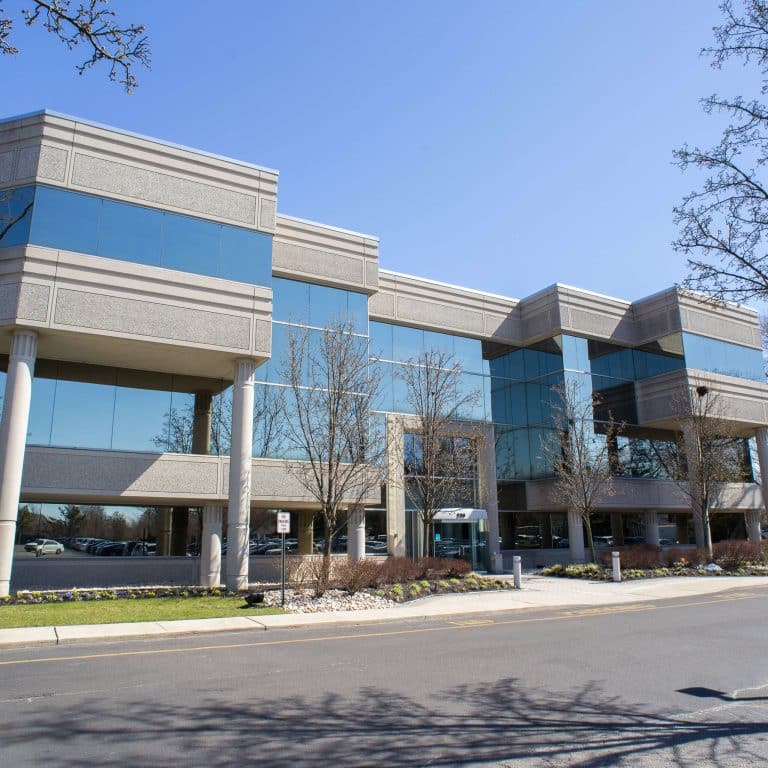
We have locations across the country to conveniently serve our clients.