

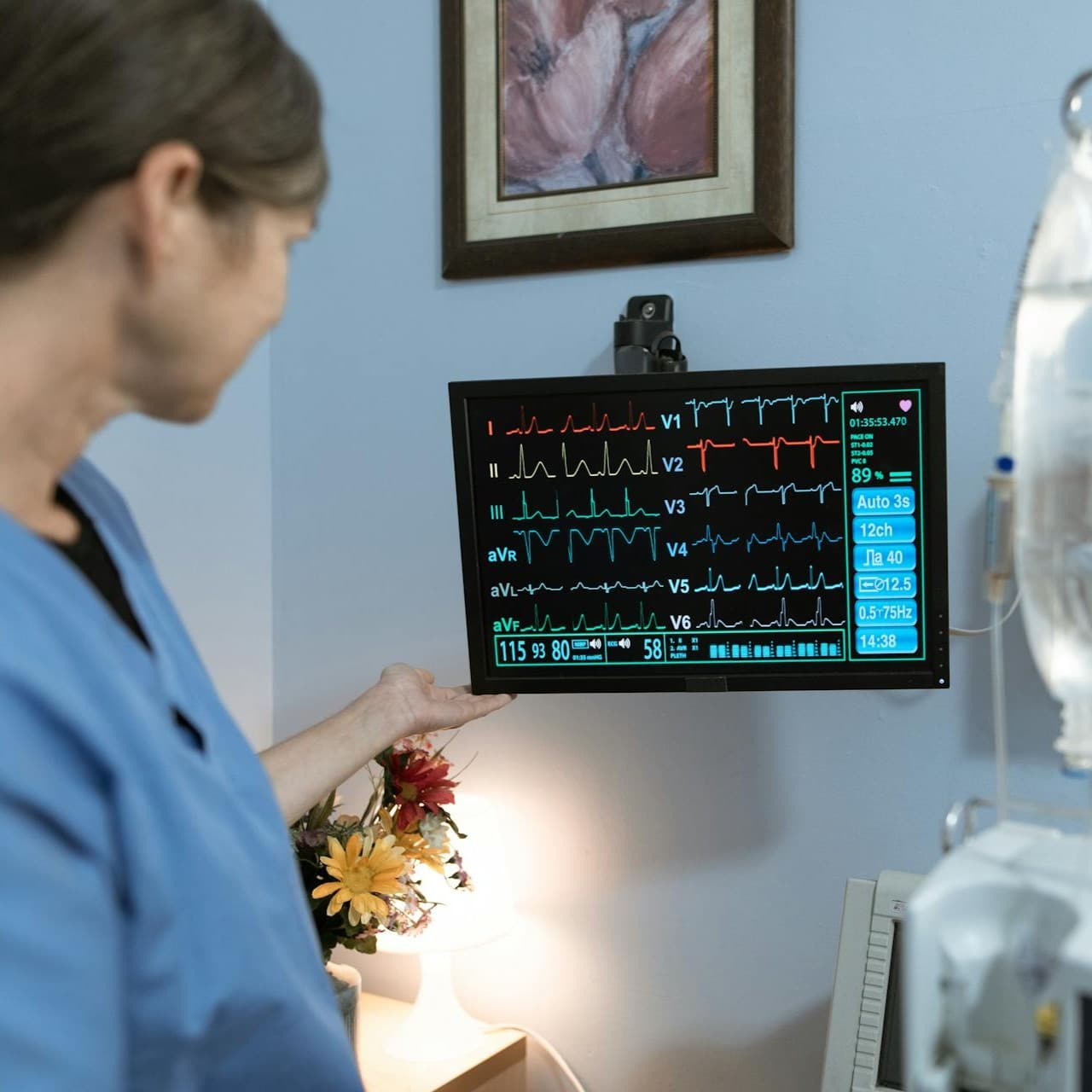
At 67, Bill was excited to begin enjoying his retirement years. He and his wife had plans to tour the country in their RV. However, Bill was feeling tired for about a month now, like he was beginning to come down with something.
Fortunately, his wife insisted he see his doctor before heading out on the road. Bill was shocked to learn he had pericardial mesothelioma. He had no idea how he got it. The news was devastating, but the doctor said Bill had been diagnosed just in time.
Learn more about pericardial mesothelioma, its overall outlook, and possible treatment options. You can also find information on how to take possible legal action and pursue compensation.
Understanding Pericardial Mesothelioma
Pericardial mesothelioma is an exceptionally rare, aggressive cancer that originates in the mesothelial cells of your heart. Any tumors that form initially in the heart are highly unusual. In the case of pericardial mesothelioma, researchers of one study found that out of 500,000 autopsies the incidence rate of pericardial mesothelioma was less than 0.01%. (1)
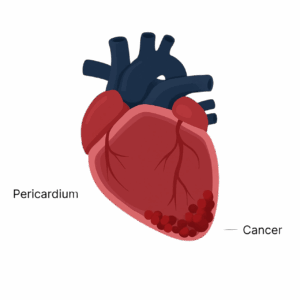
Like other forms of mesothelioma, including testicular mesothelioma, pericardial mesothelioma is caused by asbestos exposure. Not as much is known about pericardial mesothelioma as we know about peritoneal mesothelioma and pleural mesothelioma. (2)
What is known is that the latency period from the time you are exposed to asbestos to the time your mesothelioma is diagnosed can take anywhere from 15 to 40 years. Sometimes longer. (3)
What Is the Pericardium?
The pericardium is a protective lining, a kind of fluid-filled pouch surrounding your heart. This pouch or sac also protects the “roots” of your primary blood vessels as they join and travel in and out from your heart. (4)
These major blood vessels include:


Basically, the pumping of your heart is what keeps nutrients and oxygen flowing throughout your body. Every single organ in your body stops working well when your heart stops working well — your kidneys, your liver, your stomach, your intestines, and your brain. (9)
Pericardial Mesothelioma Signs and Symptoms to Watch for
Because mesothelioma that originates in the heart is so rare, pericardial mesothelioma symptoms are vague and nonspecific. In fact, the disease is so rare that you need to look for case studies in scientific research about single individuals. (10) (11)
Generally, you might feel symptoms of pericardial mesothelioma due to problems with your heart and lungs first. Shortness of breath and chest tightness could be initial signs of pericardial mesothelioma. (12)
According to another case study, the patient had been feeling generally unwell for about a month. Tiredness and weakness are part of what is called malaise. The patient had also been experiencing a sense of running out of air after exerting himself. He had lost some weight and was experiencing swelling in his lower limbs. (13)
A definitive diagnosis of pericardial mesothelioma may require actual surgery to remove the mass. In worst case scenarios, a definitive diagnosis isn’t made until after a patient has died and a medical examiner conducts an autopsy. (14)
Were you or a loved one diagnosed with pericardial mesothelioma after being exposed to asbestos? We can help.
Get a Free Case ReviewSymptoms of Heart Tumors
One thing to know about heart tumors is that symptoms that come on quickly are generally more concerning than slow, gradual symptoms. Pericardial mesothelioma is an aggressive cancer affecting the heart, so it has some things in common with symptoms of heart tumors: (15)
- Chest discomfort.
- Shortness of breath.
- Swelling in your legs.
- Fatigue.
- Dizziness and fainting.
- Heart palpitations.
- Unexplained weight loss.
- Fever and chills.
- Joint pain.
- Loss of appetite.
- Night sweats.
- Petechiae, tiny red or purple spots on your skin indicating broken blood vessels.
Asbestos: The Known Cause of All Types of Mesothelioma
Mesothelioma is a very specific type of cancer. You can get it in the mesothelium — protective lining — surrounding your lungs, testicles, abdomen, or heart, but it’s basically all the same type of cancer. Pericardial mesothelioma is still mesothelioma. (16)
What we know for sure is that asbestos exposure is the cause of all forms of mesothelioma. Sadly, we’ve known about the huge risks of asbestos exposure for decades.
Breathing in asbestos fibers is a huge danger. Working in industries that involve manufacturing, installing, or repairing asbestos-containing products such as insulation, brakes, shingles, fireproofing, and building materials is particularly hazardous. (17)
Secondary Asbestos and Other Risk Factors
If you live with someone who works around asbestos, you can be exposed to asbestos from that person’s clothes. Someone can even carry asbestos fibers on their skin. That kind of contact is called secondary exposure. (18)
Treatment Options for Pericardial Mesothelioma
Diagnosing pericardial mesothelioma is hard. Typically, patients do not receive treatment early in this disease. (19)
Each person who develops pericardial mesothelioma tends to be a one-of-a-kind patient. There may be standard treatments for other types of diseases. However, for pericardial mesothelioma, a standard set of procedures does not exist. (20)
Generally, doctors begin treatment with surgery when the disease is localized to a specific area of the heart. The surgery may be radical, but doctors try to remove the entire tumor. (21)
Pericardial mesothelioma tends to spread quickly. If doctors consider pericardial mesothelioma life expectancy in general, the prognosis is not good. Typically, patients diagnosed with this disease live less than 6 months following diagnosis. However, patients have been diagnosed with pericardial mesothelioma, undergone immediate surgery, and lived several more years without the tumor returning right away. (22) (23)
Holding Companies Accountable for Asbestos-Linked Mesothelioma
Wherever mesothelioma develops in your body, it means you were exposed to asbestos at some point. Maybe it was through the work you do. Maybe it was through an asbestos-containing product. The thing about asbestos is that it only takes a tiny amount to lead to severe illness.
Companies have known for decades that asbestos causes cancer. They should have done the responsible thing and protected their workers from asbestos exposure. They should have made sure the products they sold to consumers were safe. Some companies simply chose not to do the right thing. They were more concerned about making as much money as possible, keeping their shareholders happy.
If you have been diagnosed with mesothelioma pericardial of primary origin, you may be entitled to compensation. Companies who knowingly put people’s lives at risk may be held liable for negligence. You can pursue compensation. These companies should be held accountable for their wrongful actions.
Were you or your loved one diagnosed with mesothelioma? Call us for a free legal consultation.
(917) LAWYERSWhere to Find Support After a Pericardial Mesothelioma Diagnosis
If you or a loved one has been diagnosed with pericardial mesothelioma, know that support is available. Mesothelioma is a type of cancer. Many organizations offer all kinds of support for people diagnosed with cancer, including:
- American Cancer Society: Founded in 1913, this organization has been helping people diagnosed with cancer for more than 110 years. Cancer information specialists are available 24 hours a day, all week long and weekends. They can answer your questions about cancer and treatment options. They can help you locate resources — everything from support groups and financial programs to transportation and lodging. (24) (25)
- Gilda’s Club. Cancer Support Community: This organization has been around for 40 years. It offers free emotional and social support around the country. It encourages everyone who is a part of a patient’s life to join with communities nationwide to support each other. The Club offers a variety of programs, including educational workshops and yoga classes. (26)
- CancerCare: Founded in 1944,this organization provides free information and professional support services. It connects people with support groups, offers individual counseling, and helps families keep pets in their homes. Its oncology social workers are available through helplines. It offers financial assistance and helps families navigate websites to find resources. CancerCare partners with 69 other organizations to help thousands of people across the country. (27)
Contact Weitz & Luxenberg for Legal Support
Pericardial mesothelioma is a rare cancer that forms in your heart. Like all forms of mesothelioma, this cancer is aggressive. The sooner you are diagnosed, the sooner you can receive the help you need.
This disease is caused by asbestos exposure. Companies have known this for decades. They could have warned people or taken necessary safety precautions, but they didn’t. We believe they should be held responsible.
Weitz & Luxenberg can help. We have been helping people diagnosed with mesothelioma for nearly 40 years. In fact, it’s been our mission. We started our firm to help victims of asbestos exposure. And we have secured more than 13 billion dollars on behalf of our clients.
You don’t have to face this diagnosis alone. We encourage you to contact us for a case evaluation at no charge. We can help you explore your legal options. Feel welcome to call us at (917) LAWYERS or fill out the form on this page to find out more.
Updated October 2025