

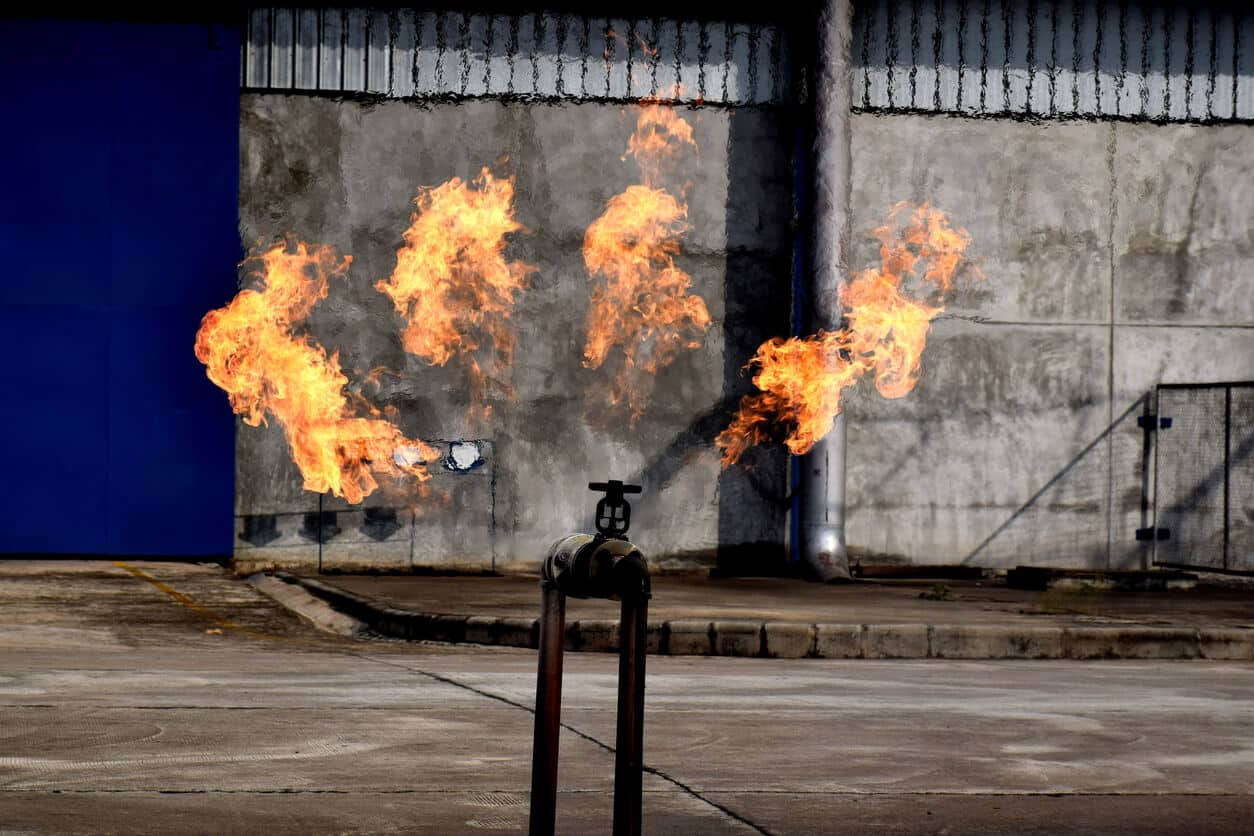
Explosions Above and Below Ground
There were 12 catastrophic multiple-death fires and explosions in the U.S. during 2024, claiming the lives of 50 people, according to the National Fire Protection Association (NFPA). (2)
While NFPA tracks explosions and fires happening above ground, explosions are not limited to above-ground structures.
Beneath the streets of New York City (NYC) run a labyrinth of sewers, water systems, drains, and power and cable lines — as well as tunnels connecting subways and railroads. (3)
This infrastructure is frequently subject to fires, explosions, and flooding that inflict damage and serious harm. For example, the tossing of heavy manhole covers is a common hazard.
NYC Manhole Cover Explosions
Underground fires and explosions are of special concern in winter. During this season, rock salt is used to melt ice and snow, and there are “freeze-thaw” weather cycles.
Con Edison maintains 4.5K miles of gas mains running throughout NYC. It has over 615,000 manholes, service boxes and transformer vaults in its underground electrical delivery system, serving 3.6 million New Yorkers. (4) (5)
More than 2,000 manhole events occur across the U.S. each year. It is a growing problem, reports the nonprofit energy industry trade association, Western Energy Institute. (6) According to the 2025 Mayor’s Management Report, there were 14,140 non-structural fires in 2024, with manhole fires among the types that saw some of the largest increases (15%). (7)
For example, in February 2026, a car parked over a manhole cover in New York City was incinerated as two manhole covers erupted in flames. Two people went to the hospital. The explosions resulted from an intersection of main gas and electric lines beneath the street. Hundreds of people in a nearby building had to be evacuated. (8)
Criminal Threat
Manhole cover explosions are not the only explosion hazard. Criminal activity, including domestic terrorism, is on the rise. Many city locations provide ideal targets for terrorists.
These explosions can cause damage, injury, and even death. Survivors of explosions often suffer severe injuries, including burns and face extensive medical treatments with lengthy recovery times.
If you or someone you know was injured in an explosion accident, a lawsuit can help you get the compensation you deserve.
Get a Free Case ReviewExplosion Injuries
“Explosions may impact multiple organ systems through several mechanisms.” Victims of blast injury suffer multisystem trauma. “Blast injuries most commonly affect air-filled organs but can also result in severe cardiac and brain injury,” according to one study. (9)
Researchers noted, “Blast injury is a unique condition that carries a high rate of morbidity and mortality, often with mixed penetrating and blunt injuries.” (10)
Explosion-related injuries includes: (11) (12)
- Abdominal injury: hemorrhage, perforation, ruptured organs.
- Brain injury: concussion, traumatic brain injury (TBI).
- Death.
- Ear injury: tympanic membrane perforation, cochlear damage.
- Eye injury: fractures, perforated globe.
- Lung injury: blast lung (pulmonary barotrauma), pulmonary contusion, and hemorrhage.
Explosion injuries result from: (13)
- Impact of the over-pressurization wave.
- Flying debris.
- Being thrown by the blast wind.
- Exacerbation or complications of existing conditions.
Since explosion injuries are potentially so severe, it is important to examine the causes of explosions. This can provide a deeper understanding of these accidents and help determine who should be held accountable.
Causes of Explosions
Explosions are the “rapid reactions that release energy in the form of heat, light, and sound,” says one online education platform. (14)
More precisely, an explosion is “a sudden increase in volume and release of energy in a violent manner, usually with the generation of high temperatures and the release of gases,” explains Southern Connecticut State University. (15)
Explosions can be: (16) (17)
- Chemical — gas igniting, high explosives, and fine dust particles; reactions between volatile substances.
- Electrical or magnetic — arc flashes due to a “sudden release of energy.”
- Mechanical failure — when heat or pressure cause ruptures in containers.
- Nuclear — resulting from fusion fission processes.
Residential Explosions
Most residential explosions occur when operating equipment or appliances, or are due to gas — for example, leaks in heating systems. Also, some residential explosions may involve the improper disposal of ashes from fireplaces or smoking, or the incorrect storage of flammable materials.
Faulty wiring in buildings also can lead to explosions. As can the use of faulty recreational equipment — such as propane grills or outdoor fire pits — especially when being used on apartment balconies.
Industrial Explosions
Industrial explosions can be caused by activities like welding, cutting, and grinding, when the sparks these produce land in unprotected areas. Or they may be due to electrical hazards, such as exposed wires, faulty wiring, or overloaded outlets and circuits. (18)
Another cause can be dust accumulation from activities like wood working and food processing combined with poor ventilation.
Likewise, overhead equipment and pipes that are under-insulated can lead to heat buildup, especially when operational temperatures rise. (19)
The cause of an explosion helps to determine who may be held accountable for the damage done and injuries sustained.
Were you injured in an explosion accident? Call us now for a free consultation.
(917) LAWYERSLegal Options
Explosion accident cases legally may fall under negligence. Negligence is a legal concept where a person or business fails to “behave with the level of care that a reasonable person would have exercised under the same circumstances.” (20)
Negligence is applied to situations where someone is hurt in an explosion because landlords or building owners failed to do something they should have. Examples include failure to properly install or maintain gas appliances.
It can also apply when employees or employers fail to follow safety regulations or proper procedures.
Examples of Negligence
For example, you work for a utility company supplying gas to heat homes. The company has not done regular inspections or maintenance on the pipelines delivering the gas.
If an explosion occurs, homes are destroyed and people are injured, including workers like you. The company is liable for the damage and injuries because regular inspections and maintenance are safety measures required by law. The company failed to do them.
Another example might be if you work for a delivery company. A coworker is supposed to check the tires on the delivery vehicles every day, but forgot to check your tires one day.
While driving your route, one of your tires explodes. This causes you to crash and you are seriously injured. The company and your coworker can be held accountable.
Negligence cases are very complex and may take a long time to move through the legal process. Experienced attorneys can help make the process go more smoothly. They can also handle insurance claims, negotiate a settlement on your behalf, and represent you in court.
How Weitz & Luxenberg Can Help
Weitz & Luxenberg has successfully represented clients in complex personal injury cases for nearly 40 years. We are proud to have helped clients secure compensation for the harm done to them.
Here are some cases we are most proud of:
- A bungee cord accident caused a teenage boy to lose sight in one eye. W&L recovered $10 million on behalf of the boy.
- A man suffered a traumatic brain injury after a fall from a high rise apartment building walkway. The walkway was lacking fencing around its outer edge and W&L negotiated a multimillion-dollar settlement.
Updated March 2026