Experience has shown that dangerous products can injure consumers, inadequate corporate and computer security can allow customer privacy to be breached, and even a savvy consumer can fall victim to fraud. When companies fail in their duty to protect their customers, someone must step in.
Weitz & Luxenberg, a nationally recognized law firm, does just that. As a legal powerhouse of 500 attorneys, paralegals, and support staff members, we get clients the fairest compensation possible and hold companies accountable for their misdeeds.
"We just wanted to extend our deepest thank you to all the people who are the working on our case, the diligence of everyone involved is appreciated. The last check was a blessing... Thank you all and God Bless."
Joseph D.'s Story

Weitz & Luxenberg is one of the nation's largest plaintiffs' law firms, helping more than 50,000 clients across the U.S.
Our firm was recognized by the New York Law Journal for winning the top two product liability verdicts in New York in 2016.
Weitz & Luxenberg was one of the first law firms to initiate a class action lawsuit against Volkswagen over consumer fraud.
Weitz & Luxenberg has over 100 attorneys ready to fight for you.
Meet More Attorneys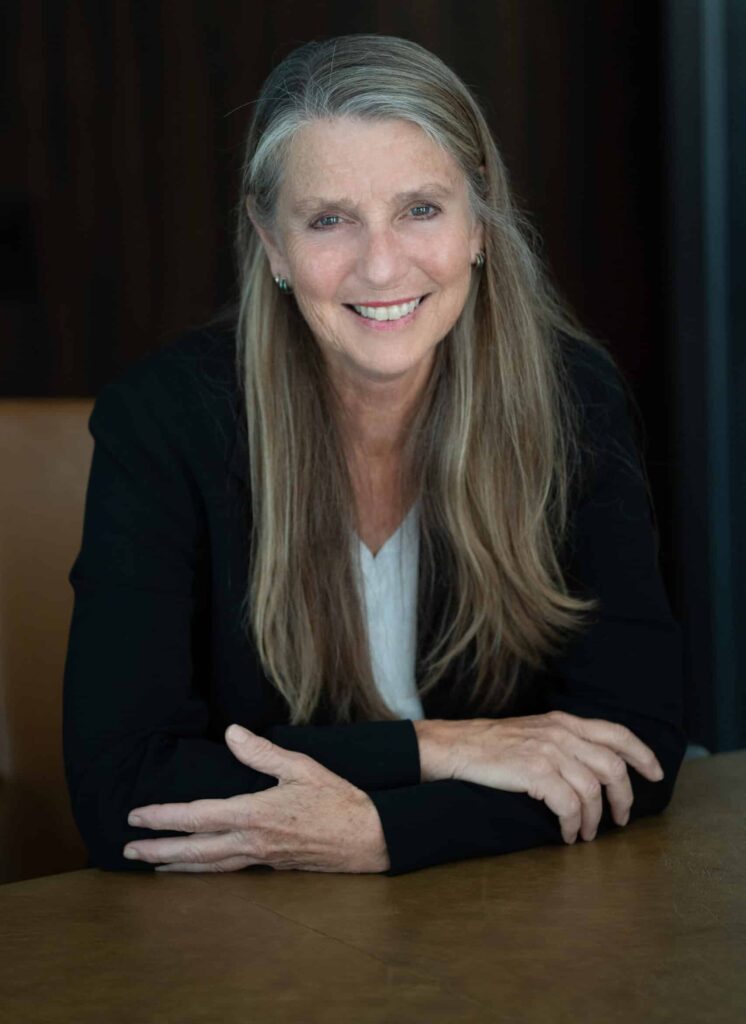
Partner and Practice Group Co-Chair
Environmental Pollution
Robin L. Greenwald joined Weitz & Luxenberg in 2005 and has since led her team to several notable triumphs. Before joining the firm, she spent nearly 20 years prosecuting environmental violations for the U.S. Department of Justice. Over the years, Ms. Greenwald has developed multiple strategies to protect vulnerable environmental resources. She has represented public entities that are faced with the need to remove chemicals from drinking water caused by corporate polluters, and she has obtained relief for people who become sick or whose property is damaged because of avoidable industry pollution.
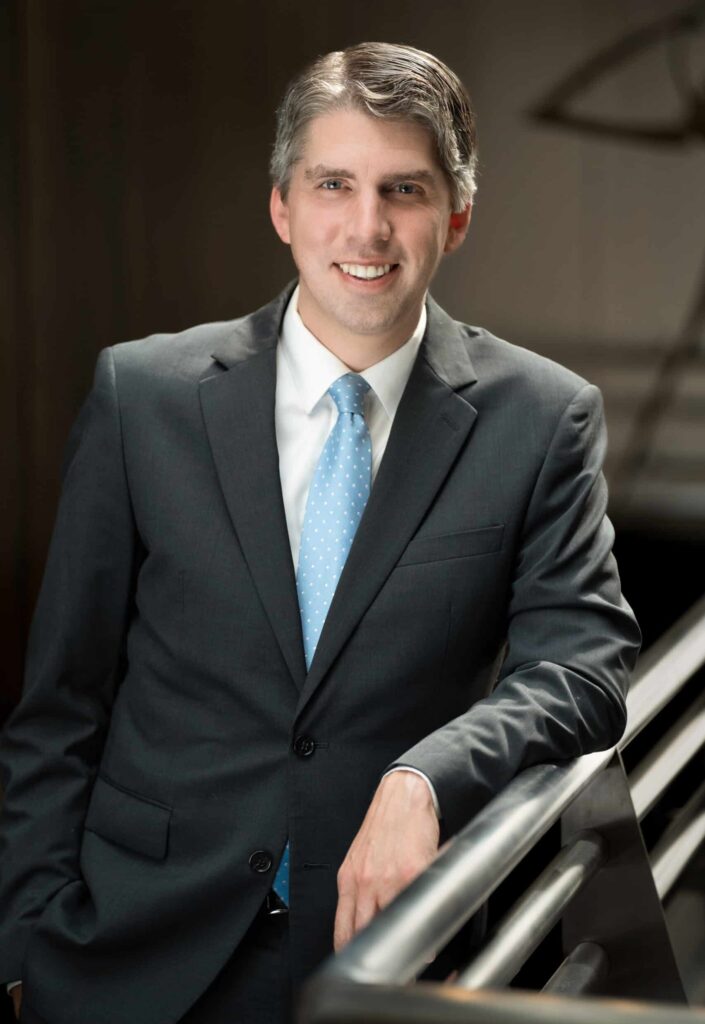
Partner and Practice Group Co-Chair
Environmental Pollution
James Bilsborrow is co-chair of our Environmental, Toxic Tort & Consumer Protection group, having joined the firm in 2011. Mr. Bilsborrow represents victims of environmental contamination, toxic exposure, and defective products in complex litigation nationwide. In addition, Mr. Bilsborrow represents farmers whose crops have been damaged by defective herbicides and other chemical applications. He also represents clients who have developed diseases from their exposure to toxic pesticides, such as people exposed to Roundup.
For a free consultation and more information about your legal options, please contact us today.

A design defect is when there is something in the way a product was created — an inherent flaw — that makes the product unreasonably dangerous to the consumer.

A manufacturing defect is when a product departs from its intended design when it’s being made. Even a seemingly well-designed product can injure consumers if it’s improperly manufactured.

Marketing defects are flaws in the way a product is marketed, such as improper labeling, insufficient instructions, or inadequate safety warnings.
Each year, thousands of injuries in the U.S can be traced back to defective or dangerous products. Such products can lead to serious personal injury or wrongful death, causing significant pain and suffering. Types of product defects include:
A data breach may leave you with a stolen identity. Thieves could open credit card accounts, sign up for cell phones, use your medical insurance, or cause you financial harm. Our firm provides legal support to victims whose sensitive information was stolen. Companies that have acknowledged data breaches include:
Consumer fraud can affect even the savviest customer. Anyone can fall victim to fraud, such as unreasonable medication price hikes or life insurance policy denial. Other fraud cases include:
This online gaming platform lets your children buy a digital currency they can spend on certain gambling websites. Your children can use gifts cards or credit cards to buy “Robux” to gamble illegally online. You can lose money. Even worse, your children are more vulnerable to addictive behaviors. Let us help you stop this company that is tricking your children and your family.
After tests revealed Volkswagen had programmed its diesel vehicles to cheat on emissions tests, our firm became one of the first to initiate a class action suit on behalf of consumers. Weitz & Luxenberg’s Robin L. Greenwald served on the Plaintiff’s Steering Committee, an important leadership role in the multidistrict federal court litigation against Volkswagen. Our efforts helped to secure a $14.7-billion settlement.*
Corporate misdeeds can cause victims much pain and anguish, but Weitz & Luxenberg can help you fight back. Our client-first approach makes it easier for you to confront companies who have done you harm. As a legal advocate for victims of corporate injustices, we’ll stand for you and with you through the litigation process.
Weitz & Luxenberg has nearly four decades of success handling consumer protection cases. Over the years, we’ve helped to secure significant compensation for our clients.*
Verdict against an industrial products manufacturer.
Global settlement against Altria for contributing to a nationwide youth vaping epidemic.
Settlement with Volkswagen in an emissions class action.
Updated January 2025
You may be entitled to legal compensation. We would be honored to represent you.
We have locations across the country to conveniently serve our clients.
If you or a family member feel that they may have been affected by Mesothelioma,
feel free to contact us, so that we can fight for you.
* While our past record doesn’t guarantee future success, it is something you may want to consider when evaluating our experience.