

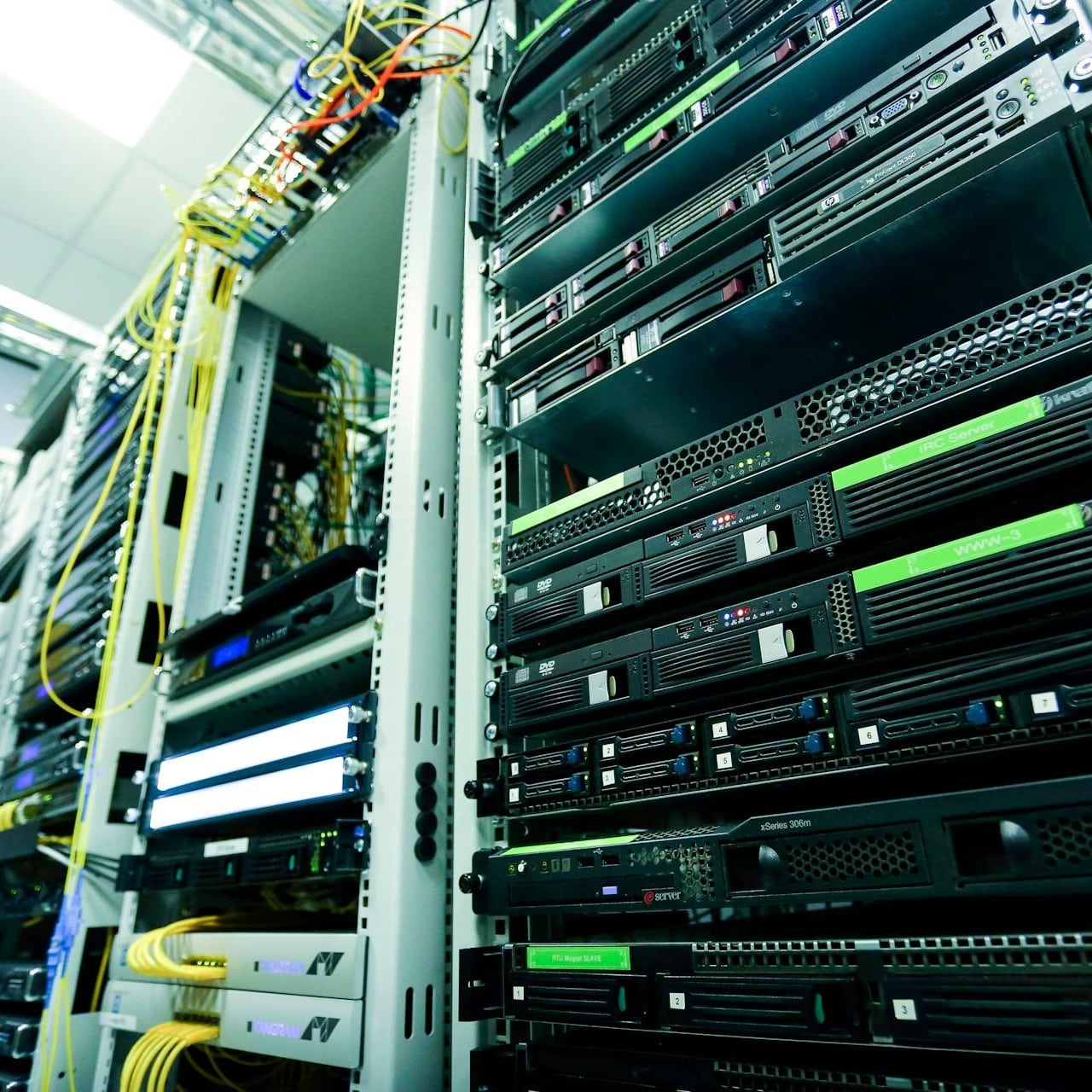
Can You Sue for Data Center Noise or Pollution?
Yes. If data center noise or pollution negatively affects your health, property, or quality of life, you may have the right to take legal action. Even when facilities operate within local regulations, their impact can still qualify as a legal nuisance or environmental harm.
Unfortunately, many communities are already suffering from the burdens imposed by these facilities every day. Understanding your legal options is the first step. Our attorneys work with experts to evaluate the full impact of data center operations and build strong, evidence-based claims.
Weitz & Luxenberg works with individuals, communities, and local governments facing direct harm from data centers, server farms, cryptocurrency mining operations, and other large-scale computing activities. We help clients investigate, quantify, and pursue legal remedies for a range of issues:
- Chronic noise and vibration
- Air emissions
- Diminished property values
- Documented health effects
- Increased municipal expenditures
If you are experiencing noise, pollution, or disruption from a nearby data center, contact us today for a free case evaluation.
Get a Free Case ReviewHow Data Center Pollution Impacts Health, Property and Communities
Hyperscale computing facilities, like data centers, operate 24 hours a day, 7 days a week. They have enormous electrical, cooling, and mechanical demands. The byproducts of this infrastructure can have significant impacts on your health, property, and the environment.
Data Center Noise Pollution: Health Effects, Property Damage, and Daily Disruption
Unlike intermittent industrial noise or noise from a city (which quiets down at night), hyperscale computing facilities run all day and night. These facilities generate continuous, tonal mechanical sound. It comes from computer cooling towers and fans, backup generators, transformers, and large-scale heating, ventilation, and air conditioning (HVAC) systems.
How Data Center Noise Pollution Affects Your Health
Tonal noise contains a distinct hum, whistle, whine, and low-frequency component. It is widely recognized as more intrusive and more physiologically stressful than broadband background noise. (1) Because tonal sound is predictable and persistent, it is more difficult for the human brain to ignore. Even when measured sound decibel levels appear within reasonable limits, tonal noise can cause disproportionate annoyance, sleep disturbance, and stress responses.
The World Health Organization Environmental Noise Guidelines link chronic environmental noise exposure to increased risks of sleep disturbance, cardiovascular disease, hypertension, anxiety, and reduced overall well-being. Low-frequency noise, in particular, is associated with headaches, irritability, fatigue, and chronic stress symptoms. (2)
Residents living near hyperscale facilities frequently report:
- Sleep disruption from overnight noise disturbance
- Inability to use outdoor spaces
- Closed windows year-round to mitigate sound intrusion
- Persistent vibration sensations inside their homes
- Increased stress and diminished quality of life from the inescapable noise
How Data Center Noise Pollution Lowers Property Value
From a real estate perspective, persistent noise is well-documented to reduce residential desirability and property value. Appraisers commonly apply nuisance-based reductions when properties are impacted by ongoing environmental intrusions.
This includes the noise generated by these facilities. For homeowners, this often translates to measurable and permanent loss of equity.
Environmental Impact of Data Center Noise Pollution on Wildlife
The continuous noise from these facilities can also harm wildlife in affected areas by:
- Disrupting breeding patterns
- Displacing native animals
- Reducing biodiversity
As formerly quiet residential or semi-rural areas become dominated by mechanical noise, wildlife corridors and natural soundscapes are degraded. In addition to harming the environment, this loss also diminishes the aesthetic and recreational value of property.
Data Center Pollution from Energy Use and Air Emissions
Data centers and other hyperscale computing facilities are among the most energy-intensive buildings in the modern economy. A single facility can consume as much electricity as a small city, requiring hundreds of megawatts of continuous power. This often requires new substations, transmission lines, and generation capacity. (3)
U.S. data center electricity consumption has more than doubled in recent years, driven largely by artificial intelligence, cloud computing, and high-density server clusters. (4) The U.S. Department of Energy projects that by 2028, data center energy consumption could account for up to 12% of U.S. electricity use. (5)
This rapid load growth can:
- Increase wholesale electricity prices
- Trigger utility rate increases to fund grid upgrades
- Shift infrastructure costs to ratepayers
- Increase reliance on fossil-fuel peaker plants and diesel backup generators
In many communities, residents report being unable to open their windows due to noise or emissions concerns. As a result, homeowners rely more heavily on air conditioning systems year-round, increasing household electricity usage and monthly utility bills. This means hyperscale facilities may contribute — both directly and indirectly — to increased consumer energy costs.
Also, most hyperscale facilities maintain arrays of diesel- or natural gas-fired backup generators to ensure their operation remains continuous and uninterrupted. During grid disturbances, peak demand events, maintenance testing, or participation in demand response programs, these generators may operate for extended periods.
Diesel-fired generators are significant sources of nitrogen oxides (NOx), particulate matter (PM2.5), carbon monoxide, and volatile organic compounds (VOCs). The U.S. Environmental Protection Agency has long recognized diesel exhaust as a contributor to respiratory disease, aggravated asthma, cardiovascular effects, and premature mortality. (6) Fine particulate matter can penetrate deep into the lungs and enter the bloodstream, increasing the risk of heart disease, lung disease and cancer. (7) This indicates that hyperscale computing facilities often contribute to local air pollution and can impose serious health costs.
How Data Centers Shift Costs to Communities and Local Governments
Data centers’ enormous energy use produces another significant byproduct: heat. Servers generate intense heat during operation, similar to how a laptop warms up under heavy use — but on a much larger scale. For this reason, data centers must have constant and effective cooling mechanisms in place.
Data centers often require enormous volumes of water for cooling. Evaporative cooling towers discharge “blowdown” water containing concentrated minerals and treatment chemicals, placing additional burdens on local wastewater treatment systems.
Municipalities are often required to:
- Expand water supply infrastructure
- Upgrade wastewater treatment plants
- Construct new pumping stations and distribution lines
- Monitor influent intake with increased testing
- Replace or repair treatment systems more frequently
These capital expenditures can cost tens if not hundreds of millions of dollars. In some cases, tax incentives granted to attract data center development reduce the very tax base needed to fund infrastructure expansion.
Municipalities may face long-term financial strain from these unplanned capital expenses due to data center operations, while private hyperscale operators externalize environmental and infrastructure costs.
These costs should be borne by operators — not taxpayers. Where municipalities are forced to bear the unplanned and outsized costs of private data center operations, cost-recovery and impact-based legal actions may be appropriate.
How Weitz & Luxenberg Handles Data Center Pollution Litigation
At Weitz & Luxenberg, our team of attorneys works with environmental scientists, acoustical engineers, health scientists, and real estate appraisers to build evidence-based claims that connect facility operations to real harms.
We coordinate comprehensive investigations that may include noise and vibration testing, air quality and particulate monitoring, health risk assessments, and property value impact analysis.
These investigations form the backbone of solid legal strategies, from discovery through trial. Our team has deep experience proving ongoing interference with property rights and quality of life.
Recently, we filed a case on behalf of concerned residents in North Tonawanda, New York, who are plagued by constant, inescapable noise from a cryptocurrency mining operation in their community. Residents are no longer able to use their outdoor spaces due to the noise and they suffer constant noise inside their homes. They are experiencing interrupted sleep, increased stress and anxiety, potential long-term health risks, and property value diminution.
We are working to provide them with the same legal remedies we have in many of our other successful environmental pollution litigation cases. Our firm has won more than $26 billion on verdicts and settlements for our clients.
If data center pollution or noise is impacting your health, sleep, or quality of life, you may have the right to take action. Contact us today.
Get a Free Case ReviewWhat Legal Claims Are Available for Data Center Pollution and Noise?
Clients are seeking financial compensation for the noise pollution, air pollution, negative impact on property values, and potential future health consequences caused by data center and cryptocurrency mining operations. They are also seeking relief from the constant noise and other harms they are suffering at the hands of data centers and cryptocurrency mining operations. Clients may sue on the legal grounds of negligence, public nuisance, private nuisance, and violation of local ordinances.
Who Can File a Data Center Pollution Lawsuit?
Individuals and communities can sue data centers or other hyperscale operators that are negatively affecting their quality of life. This includes people subjected to ongoing noise and vibrations that make it difficult to sleep, cause mental and physical health problems, and prevent the use of their outdoor spaces. It also may include people facing increased health risks due to air pollution, increased costs due to rising utility prices, and people who are worried about the diminished value of their property because of these conditions.
Wastewater treatment plant operators may also be able to sue data centers to recover costs unjustly expended to support data center operations.
Frequently Asked Questions
Is data center noise pollution considered a legal nuisance?
Yes. If the noise is unreasonable and substantially interferes with your use and enjoyment of property, you have legal options. Expert noise surveys and testimony are often key.
Can I still bring a lawsuit if the noise is within the limits set by my local ordinances?
Yes. Even when noise falls within the limits of an ordinance, it may still present an unreasonable interference with your ability to use and enjoy your property. This makes it an actionable nuisance. Many local ordinances have not been updated for decades and were originally based on standards intended to protect against hearing loss for factory workers — not to govern acceptable levels of chronic noise exposure.
Do I have to prove health effects were caused by the facility?
It depends. Establishing causation is essential if you are alleging that the data center has caused you to suffer from a personal injury or physical illness. This typically requires scientific and medical evidence. Weitz & Luxenberg works with specialists to assess exposures and link them, where possible, to observed health outcomes. However, to bring a nuisance claim, you generally do not need to prove that the data center caused a personal injury. Our attorneys can help you determine what claims to bring, depending on your individual circumstances.
Can you recover compensation for property value loss from data centers?
Yes, in many jurisdictions you can get financial compensation if the loss is measurable and tied to the hyperscale operation.