How long do I have to live? It’s a question that often follows the devastating news of a mesothelioma diagnosis.
Mesothelioma is an aggressive asbestos-related cancer that forms in the protective lining of the chest, the abdomen, the heart, or the testicles. It usually takes 20 to 50 years after a person’s first exposure to asbestos for mesothelioma to develop, but once diagnosed, the disease can kill in a matter of months. (2)
Unfortunately, most patients are diagnosed only after the cancer has progressed because the symptoms of mesothelioma mirror other, more common illnesses, making the cancer hard to detect. Depending on a patient’s specific circumstances, some surgical options may be possible. (3) (4)
Diagnosed with mesothelioma after being exposed to asbestos? Explore your legal options.
Get a Free Case ReviewHear From Our Clients
A firm that seems to show a great deal of concern about their clients. They are willing to stay late after hours just to get the job done, so I say job well done, keep up the good work.”
C.M., via Google Reviews
Although there is no cure for mesothelioma, the survival rate is rising as researchers learn more about the deadly disease. More mesothelioma patients than ever before are living for at least one year after diagnosis, and some patients have even survived for five and 10 years.(5) Still, the current five-year survival rate for mesothelioma is only 10 percent.(1)
The stage of the mesothelioma cancer, or how far it has progressed at the time of diagnosis, affects life expectancy. The earlier a doctor catches the cancer, the better the prognosis and expected survival rate.(1)
Staging can affect the treatment options available to a patient. Stage I means the cancer is localized, while stage IV, the most advanced stage of mesothelioma, means the cancer has spread and surgery is no longer a viable option.(7) People with mesotheliomas that can be operated on are likely to live longer than those with cancer that has spread too far to be surgically removed.(8) Unfortunately, most patients are not diagnosed until stages III or IV because symptoms can remain unnoticeable for some time.
The Surveillance, Epidemiology, and End Results (SEER) database provides cancer survival statistics. The American Cancer Society relies on this database of info for this survival information: (9)
| SEER Stage | 5-Year Relative Survival Survival |
|---|---|
|
Localized (cancer only in pleura) | 24% |
|
Regional (cancer has spread nearby) | 16% |
|
Distant (cancer has spread far) | 7% |
|
All stages combined | 12% |
Mesothelioma is classified by where it starts in the body, and the location of the tumors may affect life expectancy. Patients with pleural mesothelioma, which occurs in the lining of the lungs, make up 75 percent of all mesothelioma cases and have the best rate of survival. Tumors that form in the lining of the abdomen are called peritoneal mesotheliomas and are the second most common type of the disease. The overall prognosis of peritoneal mesothelioma is worse than pleural mesothelioma with typical survival up to one year. (1) (10)
A literature review, published in 2022, noted that epitheliod type mesothelioma “offers the best prognosis, followed by non-epithelioid and sarcomatoid.” (13) (1) In a 2001 study of 1,605 cases, German researchers noted a survival time of 16.9 months for epithelioid malignant mesotheliomas, compared with 13.1 months for biphasic tumors, and 5.5 months for the sarcomatoid tumors. (11)
The stage of the cancer, tumor location, and cell type are known as tumor-related factors. Non-tumor factors also exist and affect life expectancy. Non-tumor factors include age, gender, blood characteristic, and general health.


Weitz & Luxenberg, a top mesothelioma law firm, looks forward to a time when mesothelioma victims’ lives can be prolonged and their quality of life enhanced. In addition to supporting promising mesothelioma research, our law firm has helped more than 44,000 mesothelioma victims seek compensation for their pain and suffering. In our nearly 40 years of asbestos litigation experience, we’ve secured more than $13 billion for mesothelioma victims and their families.*
We would be honored to help you achieve the justice you deserve. For a free consultation, call (917) LAWYERS or fill out a form to speak with one of our reputable mesothelioma attorneys.
The Centers for Disease Control and Prevention reported that 45,221 Americans died of mesothelioma from 1999 through 2015, an average of about 3,000 patients per year. According to estimates, another 1,500 die annually from asbestosis, while the number of asbestos-related lung cancer deaths has been set as high as 8,000 per year.
The toll continues to climb. A former assistant U.S. surgeon general, Dr. Richard Lemen, told the U.S. Senate in 2007 that another 270,000 to 330,000 deaths are expected to occur over the next 30 years. (1) (2)
Often, asbestos victims are those who can least afford the expensive medical treatment required to fight the disease. For instance, the construction and maintenance industries account for thousands of patients. Asbestos-related diseases often deprive families of financial security during retirement years, even though many of the companies that manufactured, distributed, and used asbestos continue to profit.

For those diagnosed with mesothelioma, hiring an established and experienced asbestos law firm marks the crucial first step toward holding companies accountable and seeking compensation for the damages caused by their asbestos exposure.
Choosing a mesothelioma lawyer is a very personal decision. The ideal lawyer is not only equipped with the resources and experience necessary to get you the compensation you deserve but also is responsive to your needs, empathetic to your unique medical situation, and wholly invested in your and your family’s future.
Before partnering with a law firm, it is important to obtain information to help you determine if that law firm is experienced enough to take your case. This information may include:
You’ll find few lawyers can surpass the experience, resources, and compassionate legal help that Weitz & Luxenberg mesothelioma attorneys have provided asbestos victims for almost 40 years. With 44,000 asbestos cases under our belt, we’re ready to help even more families seek justice.
There are a number of avenues to obtain compensation for mesothelioma cancer patients and their families. Depending on your situation, you may file a personal injury or wrongful death lawsuit. You may also submit a claim against an asbestos bankruptcy trust. No matter what path you ultimately choose, Weitz & Luxenberg lawyers are committed to making the process simple and stress-free to give you more time to focus on your health and your loved ones.
Diagnosed with mesothelioma and need legal assistance? Our attorneys experienced in mesothelioma cases can help.
Get a Free Case ReviewDamages caused by mesothelioma cancer include compensation for your pain and suffering, loss of income, and pricey treatments not covered by your health insurance — making it even more vital to hire a mesothelioma attorney who can increase your chances for success.*


Weitz & Luxenberg has nearly four decades of experience in this type of law and a proven track record of winning asbestos lawsuits and large settlements. Recent trial verdicts include:
One of our first court victories occurred decades ago in a historic consolidated trial on behalf of 36 shipbuilders exposed to asbestos at the Brooklyn Navy Yard in the 1940s and 1950s. The verdict: a $75 million victory that changed the landscape of asbestos litigation.
Over the last almost 40 years, Weitz & Luxenberg mesothelioma lawyers have helped more than 44,000 clients navigate the most trying time of their lives, offering significant personal attention while winning a remarkable $13 billion from asbestos verdicts and settlements across the U.S.
Hear From Our Clients
I wholeheartedly recommend Weitz & Luxenberg Law Firm to anyone in need of legal assistance. Their professionalism, expertise, and genuine care for their clients make them stand out in the crowded field of legal services. Thank you, Weitz & Luxenberg, for your outstanding support during what could have been a very stressful time in my life!”
M.R., via Google Reviews
Mesothelioma remains as incurable as it is unpredictable. The right mesothelioma lawyer can help provide clients with a sense of stability and peace of mind during a period of incredible emotional and financial turmoil.
Weitz & Luxenberg’s dedicated team of attorneys, investigators, and support staff defines how a successful asbestos litigation firm should fight on behalf of its clients. Our attorneys’ knowledge, experience, resources, and dedication make the whole process easier for you and your family.
Our attorneys, experienced in mesothelioma cases, will walk you step-by-step through the legal process, making sure you are notified of every development. We also have an experienced, comprehensive Client Relations department that’s on call 24/7 to answer questions and ensure that all your needs are met efficiently. If you have an important question about your case, you are able to get in touch with us when you need to.

You’ll find few lawyers can surpass the experience, resources, and compassionate legal help that Weitz & Luxenberg attorneys have provided asbestos victims for almost 40 years. We serve clients nationwide, and have mesothelioma lawyers at offices in California, New York, and New Jersey, near Philadelphia, Pennsylvania. With 44,000 asbestos cases under our belt, we’re ready to help even more families seek justice.
Hear From Our Clients
I want to thank you for the care and understanding you have shown to us during the very difficult past two years. You presented the case and facts in such a way that assured John’s dignity and integrity. Your skill and expertise has brought the lawsuit to a very successful conclusion.”
Cathy P.
Identifying when and where you were exposed to asbestos is crucial to your lawsuit. Without this information, it may be difficult to file a claim. Our mesothelioma attorneys are familiar with common and not so common asbestos-containing products, including many brands of talcum powder. We are experienced in identifying companies responsible for asbestos exposure from the sale of those products and can help you gather evidence related to your asbestos exposure.
We set the standard for complex case management and prosecution, handling cases of every size with comprehensive resources and sophisticated technology that smaller firms cannot support.

Every asbestos lawyer working for Weitz & Luxenberg is proud of the firm’s reputation for providing effective mesothelioma legal support for workers diagnosed with this asbestos disease.
U.S. News & World Report and the publication Best Lawyers have recognized our firm as the national Law Firm of the Year in the category of Mass Tort Litigation/Class Actions – Plaintiffs. Weitz & Luxenberg attorneys are regularly lauded as Super Lawyers and Rising Stars of the New York Metro area. And our founding partners have each been named New York City “Lawyer of the Year.”






If mesothelioma has altered your life and you are seeking compensation, Weitz & Luxenberg would be proud to handle the legal burden, without contributing to additional financial concerns. Cases are handled on a contingency basis, which means you pay nothing up front, and we receive no fees unless we obtain a verdict or settlement on your behalf. The consultation is free, too.
With multiple offices, our firm has an unparalleled ability to fight on behalf of our clients, wherever they happen to live.
Please contact our office at (917) LAWYERS or fill out the form to speak to one of our experienced asbestos attorneys.
After talking with our legal team, you’ll have information about your legal options you didn’t have before. You’ll know that being exposed to asbestos at some point led to your mesothelioma diagnosis. You’ll know whether you qualify to file a mesothelioma lawsuit against the companies that failed to safeguard your health. You can decide to hire Weitz & Luxenberg. We are prepared to take on your case. If you choose to hire us, we handle all of the hard lifting from this point on. We guide you and assist you through the entire legal process. And we only get paid if we win your case.
No, we come to you. All you need to do is reach out to us by phone or through the form on our law firm’s website. Our mesothelioma lawyers are trained and experienced in asbestos exposure and mesothelioma legal cases. They know our clients were diagnosed with a serious cancer and are often not well enough to travel. At Weitz & Luxenberg, our attorneys come to you. We regularly fly around the country to meet with you in your own home, if that’s what works best for you. We do our best to accommodate your needs, whatever they happen to be.
Generally, 1 to 1 ½ years depending on your circumstances. One thing that Weitz & Luxenberg has going for our clients is that we have been doing this kind of work for around 40 years. Often, the same companies we sue come up time and time again. We know their history. They know us. We usually win. These defendants often settle rather than spend a lot more money going up against us in a courthouse trial. Cases take longer when we sue multiple companies. If you were exposed to asbestos in more than one way or workplace, cases can take longer to settle. Sometimes we settle with one or more companies fairly early. But other companies try to find ways to drag a case out, hoping we’ll give up. But we don’t ever give up. If they refuse to settle, we go to trial.
No, lawyers should never guarantee a specific outcome to their clients, according to the American Bar Association’s “Model Rules of Professional Conduct.” Lawyers can be disbarred if they do this. In fact, if any law firm says they can guarantee a specific outcome, see this as a major red flag. They are breaking ABA’s code of ethics. And probably not telling you the truth. At Weitz & Luxenberg, what we can do is guarantee we do everything legally possible to secure the very best outcome for you. We have been handling asbestos-exposure and mesothelioma cases for nearly 40 years. We know what we’re doing. We have a strong history of success. We have secured more than $26 billion dollars on behalf of our clients harmed by the actions of large companies. (3)
Updated October 2025
PFOA has been linked to several potentially serious illnesses, including cancer. The PFOA contamination of Hoosick Falls’ water supply elevates the risk of these health problems because it far exceeds levels deemed safe by the U.S. Environmental Protection Agency (EPA) and New York State health officials.
Hoosick Falls is a village of approximately 3,500 people in central upstate New York. The surrounding area was once home to a number of manufacturing plants, a few of which still remain.
Some of those facilities utilized PFOA in their manufacturing processes. A synthetic acid and surfactant, PFOA is used in no-stick pots and pans, dental floss, floor wax and strippers, and treatments to make clothing and upholstery resistant to spills and stains. These companies discharged waste containing PFOA into the environment.
The PFOA contamination problem could date back many decades. While the duration and scope of the contamination remains subject to investigation, the residents of Hoosick Falls had no knowledge of the contamination until very recently. Indeed, when local efforts first revealed the water contamination, local officials dismissed or otherwise played down the potential risks and dangers.
Now, residents of Hoosick Falls are developing significant illnesses at an unusual and alarming rate. These illnesses are taking a toll on the people of Hoosick Falls.”
Hoosick Falls residents are more frequently calling in too sick to go to work. Their children are more often missing school due to illness. Young and old alike are making more trips to doctors’ offices and treatment centers.
Property values are also in decline. The plant where PFOA was used has been declared a State Superfund site. This designation drives away prospective homebuyers. Further, individuals cannot refinance their homes because banks are unwilling to loan money on an asset with diminished value. Residents who wanted to sell their homes in the near future now feel stuck.
The amount of exposure to PFOA necessary to induce health problems is very small. One-half of one part-per-billion is enough to create a risk of injury in humans. That concentration is the equivalent of half a single drop of water placed in an Olympic-sized swimming pool.
The problem of PFOA contamination is compounded by the fact that PFOA does not dissipate once it finds its way into the environment – or finds its way inside a person.
Weitz & Luxenberg has filed a lawsuit against Saint-Gobain Performance Plastics and Honeywell International, claiming that the companies are the sources of the Hoosick Falls PFOA contamination.
The lawsuits will demand that the defendant companies restore W&L’s clients from Hoosick Falls and environs to their rightful position – the position they would be in but for the harm done to them by PFOA contamination. Learn more about the class action lawsuit filed, In Hoosick Falls, W&L Files Federal Class-Action Lawsuit Against Saint-Gobain and Honeywell.
The class action also seeks the establishment of a medical monitoring program that will protect the health of property owners and help insure an early detection of those ailments linked with exposure to PFOA.
On May 18, 2020, the Second Circuit Court of Appeals ruled in Plaintiffs’ favor on an appeal by the Defendants seeking to dismiss the class action case. The appellate court ruled that Plaintiffs may pursue claims for medical monitoring, property damage, and nuisance related to Defendants’ contamination of the community with PFOA. The court issued two decisions that explained its ruling: Baker v. Saint-Gobain and Benoit v. Saint-Gobain.
On July 22, 2021, a proposed $65.25 million settlement was announced. This settlement compensates Hoosick Falls residents for their exposure to PFOA. Three defendants agreed to the proposed class settlement: Saint-Gobain Performance Plastics Corp., 3M Co., and Honeywell International Inc. One defendant, E.I. DuPont de Nemours & Co., has not agreed to the settlement.
As a nationally recognized personal injury law firm, Weitz & Luxenberg is committed to helping clients win cases. For more than 25 years, we have dedicated ourselves to holding irresponsible practitioners accountable, and we have won $17 billion for our clients.
001 Notice of Motion for Class Certification
002 Memorandum in Support of Motion for Class Certification
003 Declaration of Stephen G. Schwarz in Support of Class Certification
004 Schwarz Ex. 1 (Jan 2016 Letter from Sen. Chuck Schumer)
005 Schwarz Ex. 2 (July 2016 Letter from AM John McDonald III
006 Schwarz Ex. 3 (December 2015 EPA Statement on PFOA in Hoosick Falls)
007 Schwarz Ex. 4 (2nd Circuit Order Denying Rule 23(f) Petition)
008 Schwarz Ex. 5 (Sullivan v. Saint-Gobain Daubert Decision)
009 Schwarz Ex. 6 (Burdick v. Tonoga Decision and Order on Frye Motions)
010 Schwarz Ex. 7 (3M TSCA 8(e) Letter to EPA, Sept. 2007)
011 Schwarz Ex. 8 (DuPont Information Bulletin X-50f)
012 Schwarz Ex. 9 (Selected Pages from D. Hassel Deposition)
013 Schwarz Ex. 10 (DuPont Responses to First Interrogatories)
014 Schwarz Ex. 11 (DuPont R. Zipfel Email re Biofate Study)
015 Schwarz Ex. 12 (Selected Pages from B. Karrh (DuPont) Deposition)
016 Schwarz Ex. 13 (3M Chronology of Fluorochemicals in Blood)
017 Schwarz Ex. 14 (DuPont Status Review Fluorochemicals in Blood, May 1979)
018 Schwarz Ex. 15 (3M Meeting Minutes with Hodge, August 23 1978)
019 Schwarz Ex. 16 (Broad Aspects – Metabolic Studies in Perspective)
020 Schwarz Ex. 17 (3M Meeting Minutes with Hodge, April 26 1979)
021 Schwarz Ex. 18 (3M Ninety Day Subacute Rhesus Monkey Toxicity Study)
022 Schwarz Ex. 19 (3M Dr. Gilliland Occupational Study Thesis, Oct. 1992)
023 Schwarz Ex. 20 (3M Meeting Minutes with JR Mitchell, April 1979)
024 Schwarz Ex. 21 (3M Memo re Recommendations of Hodge and Mitchel, April 1979)
025 Schwarz Ex. 22 (DuPont June 1979 Meeting re Fluorochemicals in Blood)
026 Schwarz Ex. 23 (DuPont Memo on Fluorine Blood Levels, July 30 1979)
027 Schwarz Ex. 24 (3M Phone conversation with DuPont, July 26 1979)
028 Schwarz Ex. 25 (DuPont Organic Fluorides in Blood Analysis, Oct. 1 1979)
029 Schwarz Ex. 26 (DuPont C-8 Communications Meeting, July 31 1980)
030 Schwarz Ex. 27 (3M Teratology Studies in Rats)
031 Schwarz Ex. 28 (DuPont Recommendation re Fluorochemical Exposure to Females)
032 Schwarz Ex. 29 (DuPont Employee Communication re C-8)
033 Schwarz Ex. 30 (DuPont May 14 1981 C-8 Blood Sampling Memo)
034 Schwarz Ex. 31 (3M Letter to Office of Toxic Substances, Nov. 19 1980)
035 Schwarz Ex. 32 (C-8 (FC-143) Chronology)
036 Schwarz Ex. 33 (3M Roach Memo re Chemolite Health Evaluations, 1981)
037 Schwarz Ex. 34 (DuPont Toxicology of Perfluorooctanoate, Kennedy et al)
038 Schwarz Ex. 35 (3M Roach Memo re Organic Fluoriine Level, Aug. 31 1984)
039 Schwarz Ex. 36 (June 1984 DuPont Presentation re C-8 in Off-Plant Water Systems)
040 Schwarz Ex. 37 (August 1984 DuPont Summary of C-8 in Water Sampling Program
041 Schwarz Ex. 38 (DuPont Report re C-8 Reduction and Control Status, June 11 1987)
042 Schwarz Ex. 39 (Pastenbach Article on Washington Works Fate and Transport, 2007)
043 Schwarz Ex. 40 (3M FC-129 Biodegradability Memo, Dec. 30 1998)
044 Schwarz Ex. 41 (3M Memo re Organic Fluorine Meeting Notes, Dec. 4 1989)
045 Schwarz Ex. 42 (DuPont C-8 Review Meeting Agenda, April 26 1990)
046 Schwarz Ex. 43 (Abstract, Gilliland, Mortality Among Employees of a PFOA Prod. Plant)
047 Schwarz Ex. 44 (DuPont Memo re C-8 as a Potential Carcinogen)
048 Schwarz Ex. 45 (Minutes of APME Tox. Working Group, Dec 7 1994)
049 Schwarz Ex. 46 (DuPont Notes from APME Mtg, Oct. 12 1995)
050 Schwarz Ex. 47 (3M emails re Sharing APFO primate information, May 4 1999)
051 Schwarz Ex. 48 (DuPont C-8 Project Phase I Review, Jan. 27 1997)
052 Schwarz Ex. 49 (DuPont Internal email re monkey study, Sept 9 2008)
053 Schwarz Ex. 50 (Baker v. Sorin Grp. (M.D. Pa. 2017) – Medical Monitoring Decision)
054 Schwarz Ex. 51 (DuPont C-8 Pace Team Minutes, Sept 30 1998)
055 Schwarz Ex. 52 (DuPont C-8 Project Phase IIc Review, July 30 1998)
056 Schwarz Ex. 53 (DuPont C-8 Pace Team Minutes, Aug. 31 1998)
057 Schwarz Ex. 54 (DuPont Customer Presentation – Surfactant Changes)
058 Schwarz Ex. 55 (EPA Map of Hoosick Falls with well results, Aug. 2016)
059 Schwarz Ex. 56 (DuPont C-8 Pace Team Mtg. Notes & Charts, Oct. 1998)
060 Schwarz Ex. 57 (DuPont McCord to Cavanaugh email chain, Oct 25 1999)
061 Schwarz Ex. 58 (DuPont Cavanaugh to McCord email, Jan. 21, 2000)
062 Schwarz Ex. 59 (DuPont C8 Strategy Review Power Point, March 3 2000)
063 Schwarz Ex. 60 (Saint Gobain Canning to Crowe re Update on PFOA Situation, July 2006)
064 Schwarz Ex. 61 (DuPont Materials in Lieu of May 7 1998 PAC Mtg.)
065 Schwarz Ex. 62 (3M Occurrence of PFOA in Wildlife, Purdy, Oct. 16 1998)
066 Schwarz Ex. 63 (3M Buttenhoff confidential toxicology memo on PFOS)
067 Schwarz Ex. 64 (3M Purdy Email re Risk to Environment of PFOS, Dec. 3 1998)
068 Schwarz Ex. 65 (3M Purdy Resignation Email and Letter, Mar. 28 1999)
069 Schwarz Ex. 66 (Mtg. Notes Canning (StG) and Millet (3M), April 25 2006)
070 Schwarz Ex. 67 (3M Answers to Plaintiffs First Interrogatories)
071 Schwarz Ex. 68 (DuPont emails re C-8 Human Risk Assessment, Sept 14 1999)
072 Schwarz Ex. 71 (DuPont emails, April 5 2001)
073 Schwarz Ex. 72 (Saint Gobain R & D Powerpoint Review, April 29 2003)
074 Schwarz Ex. 73 (Selected pages from Rich Hoeck Deposition, Sept 19 2019)
075 Schwarz Ex. 74 (DuPont press release refuting health claims about PFOA)
076 Schwarz Ex. 75 (June 23, 2000 Letter from DuPonts Kennedy to EPA)
077 Schwarz Ex. 76 (Barr Dispersion Processor Material Balance Report, Feb. 2005)
078 Schwarz Ex. 77 (DuPont emails re Chemfab Confidentiality Agmt, Aug 30 2000)
079 Schwarz Ex. 78 (DuPont emails July 27 2001)
080 Schwarz Ex. 79 (2006 3M-EPA Consent Decree)
081 Schwarz Ex. 80 (Selected pages from Kristin Miller Dep., August 2019)
082 Schwarz Ex. 81 (Agmt and Plan of Reorganization Btwn Oak and Dodge Industries, 1967)
083 Schwarz Ex. 82 (Bargain and Sale Deed – Allied Signal to Furon, Feb. 2 1996)
084 Schwarz Ex. 83 (Acquisition Agmt Btwn Allied Signal and Oak Industries, Feb. 14 1986)
085 Schwarz Ex. 84 (Honeywell Responses to NYS Senate Interrogatories, Sept 2016)
085 Schwarz Ex. 85 (Selected pages of Honeywell Rule 30(b)(6) Dep., Nov. 6 2018)
086 Schwarz Ex. 86 (AlliedSignal Laminate Systems Inc. Certificate of Incorporation)
087 Schwarz Ex. 87 (Asset Purchase Agmt Btwn Furon Co. and AlliedSignal Laminate Systems)
088 Schwarz Ex. 88 (Saint Gobain Rule 30(b)(6) Depo. Exhibit re Corporate Structure)
089 Schwarz Ex. 89 (Allied Signal-DuPont Purchase Memo)
090 Schwarz Ex. 90 (Consignment Agmt – Allied Signal and DuPont)
091 Schwarz Ex. 91 (Furon emails re Dispersion Usage)
092 Schwarz Ex. 92 (Selected pages from Phil Guy Dep., Feb. 2019)
093 Schwarz Ex. 93 (Selected pages from William Noonan Dep., July 2019)
094 Schwarz Ex. 94 (Spreadsheet of Aqueous Dispersion Purchases 1997-2003)
095 Schwarz Ex. 96 (Invoice for sale of surfactants to Fluorglas, Dec. 1989)
096 Schwarz Ex. 97 (Spreadsheet of FC-143 and Dyneon Aqueous Dispersion Sales to Hoosick)
097 Schwarz Ex. 98 (Saint Gobain email re Fluoropolymer Purchases, Dec. 1 2015)
098 Schwarz Ex. 99 (IR Fabric Coating Oven Diagram – Hassel)
099 Schwarz Ex. 100 (Fluorglas FC-143 Mixing Procedure, Feb. 5 1988)
100 Schwarz Ex. 101 (Saint Gobain emails re use of FC-143)
101 Schwarz Ex. 102 (Selected pages of P.J. Beaumont Dep., May 2019)
102 Schwarz Ex. 103 (Allied Signal Permit Application to NYSDEC)
103 Schwarz Ex. 104 (Furon Opacity Emissions Study Report)
104 Schwarz Ex. 105 (Selected pages of Ed Canning Dep., July 2019)
105 Schwarz Ex. 106 (Adirondack 1997 Stack Testing)
106 Schwarz Ex. 107 (Canning Letter to NHDES, 2005)
107 Schwarz Ex. 108 (NYSDEC Consent Order with Furon)
108 Schwarz Ex. 109 (Furon Emission Control Study Plan)
109 Schwarz Ex. 110 (Canning Letter to NYSDEC Oct. 18 2002)
110 Schwarz Ex. 111 (McCaffrey Street Sewer Camera Inspection)
111 Schwarz Ex. 112 (Parsons Report Phase I)
112 Schwarz Ex. 113 (Parsons Report Phase II)
113 Schwarz Ex. 114 (Allied Signal Memo on Rhodes Review, Nov. 22 1988)
114 Schwarz Ex. 115 (MSDS FC-143, Nov. 1986)
115 Schwarz Ex. 116 (MSDS FC-143, Aug. 1991)
116 Schwarz Ex. 117 (DuPont PTFE MSDS)
117 Schwarz Ex. 118 (Chemfab Memo re mtg with DuPont, Mar. 17 1995)
118 Schwarz Ex. 119 (Memo re Mtg with ICI, July 20 1999)
119 Schwarz Ex. 120 (Risk Assessment in the Workplace, McCaffrey Street, 2001)
120 Schwarz Ex. 121 (Saint-Gobain Tymor Email, July 2 2003)
121 Schwarz Ex. 122 (Saint-Gobain Statement on Tymor Mission, Mar. 10 2006)
122 Schwarz Ex. 123 (Saint Gobain emails, July 1 2003)
123 Schwarz Ex. 124 (Saint Gobain emails on PFOA risk messaging, Feb. 22 2006)
124 Schwarz Ex. 125 (Barr Engineering Rep. to Saint Gobain re Merrimack Testing, 2003)
125 Schwarz Ex. 126 (Powerpoint presentation to R. Caliari, Sept. 22 2004)
126 Schwarz Ex. 127 (Saint Gobain Kilrush Air Dispersion Modeling Report)
127 Schwarz Ex. 128 (Saint Gobain email re NHDES mtg to discuss APFO, Oct. 2004)
128 Schwarz Ex. 129 (Saint Gobain email re Fluoropolymer related issues, Sept 9 2004)
129 Schwarz Ex. 130 (Saint Gobain Statement on PFOA Found in Hoosick Falls, Dec. 2014)
130 Schwarz Ex. 131 (Selected pages of Michael Hickey Dep., Sept. 2018)
131 Schwarz Ex. 132 (EPA Statement on Hoosick Falls Water Contamination, Dec. 17 2015)
132 Declaration of James J Bilsborrrow in Support of Class Certification
133 Declaration of Plaintiff Michele Baker in Support of Class Certification
134 Declaration of Plaintiff Charles Carr in Support of Class Certification
135 Declaration of Plaintiff Angela Corbett in Support of Class Certification
136 Declaration of Plaintiff Pamela Forrest in Support of Class Certification
137 Declaration of Plaintiff Michael Hickey in Support of Class Certification
138 Declaration of Plaintiff Kathleen Main-Lingener in Support of Class Certification
139 Declaration of Plaintiff Kristin Miller in Support of Class Certification
140 Declaration of Plaintiff Jennifer Plouffe in Support of Class Certification
141 Declaration of Plaintiff Silvia Potter in Support of Class Certification
142 Declaration of Plaintiff Daniel Schuttig in Support of Class Certification
143 Declaration of Nicholas Cheremisinoff in Support of Class Certification
144 Declaration of Alan Ducatman in Support of Class Certification
145 Declaration of Edgar Gentle in Support of Class Certification
146 Declaration of Mark Huncik in Support of Class Certification
147 Declaration of David Savitz in Support of Class Certification
148 Declaration of Hyeong-Moo Shin in Support of Class Certification
149 Declaration of Donald Siegel in Support of Class Certification
150 Declaration of Jeffrey Zabel in Support of Class Certification

Soon after the leak was made public, residents of the nearby communities reported strong, rotten egg-like odors and began suffering numerous physical symptoms, including headaches, nausea, nosebleeds, irritated sinuses, and difficulty breathing. The L.A. County Health Department ordered SoCalGas to relocate residents to temporary housing until it could control the leak.
Over the next four months, two schools were moved and thousands of people were placed in temporary housing. The leak was not fixed until early February 2016.
The nonprofit Environmental Defense Fund estimates that the leak emitted the equivalent of 7.5 metric tons of carbon into the air. It is the largest release of greenhouse gases in the history of the United States.
Children and adults in the vicinity of the gas leak suffered serious health consequences as a result of the leak. These included:
Even though natural gas consists mainly of methane, it can also include varying amounts of other toxic chemicals such as nitrogen, hydrogen sulfide, benzene, toluene, ethylbenzene, and xylene.
Additionally, the natural gas to which residents were exposed had been treated with mercaptans. These are chemical agents that give natural gas a nauseating smell, similar to rotten eggs.
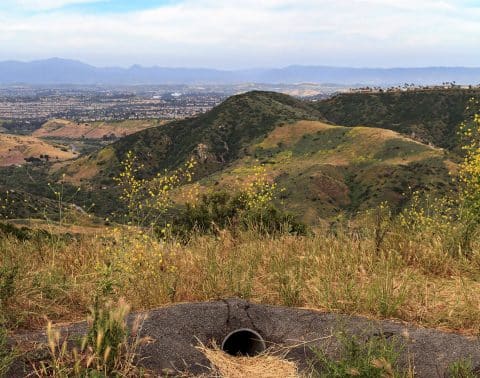
In December 2015, Weitz & Luxenberg filed a lawsuit on behalf of residents impacted by the gas leak against the owner and operator of the Aliso Canyon Natural Gas Storage Facility, SoCalGas and Sempra Energy.
Since that time, the firm has filed six additional suits on behalf of over 3,000 injured residents.
The lawsuits allege that SoCalGas and Sempra failed to construct, maintain, and operate their gas storage well in a safe manner, and that both SoCalGas and Sempra purposefully kept residents in the dark about the leak and its effects.
As a nationally recognized personal injury law firm, Weitz & Luxenberg is committed to helping clients win cases. For more than 25 years, we have dedicated ourselves to holding irresponsible practitioners accountable, and we have won $17 billion for our clients.
In 2012, medical device manufacturer Zimmer introduced its Persona Personalized Knee Replacement System.The company said it was to “provide the best fit” for individuals looking for a joint that felt natural and allowed them to fully engage in their regular activities.
Zimmer has voluntarily recalled more than 11,500 porous coated, uncemented Zimmer Persona Trabecular Metal Tibial Plates. The defective component is concerning because it may potentially become loose. Loosening was diagnosed clinically and by X-ray findings of “lucencies.”
The company has also voluntarily recalled the Zimmer Persona Tibial Articular Surface Provisional (TASP) Shim tool. The TASP ball bearings from the tool may be left in the surgical wound, may delay surgery, or may be ejected during surgery. These problems are believed to be caused by the ball bearing retention component of the tool, known as the “swage,” which can break down after sonic cleaning.
The recall sought to notify distributors and hospitals with affected inventory that to prevent this problem, the shim tool needs to be manually cleaned and inspected. Revised instructions were provided.
The FDA has designated these voluntary recalls as Class II recalls. This means that a medical device may cause “adverse health consequences.”
There were 11,658 of the porous coated, uncemented Zimmer Persona Trabecular Metal Plates recalled from around the world, including the following states in the United States: Alaska, Alabama, Arizona, California, Colorado, Florida, Illinois, Indiana, Kansas, Massachusetts, Michigan, Minnesota, Missouri, New Jersey, New York, North Carolina, Ohio, Oklahoma, Pennsylvania, Tennessee, Texas, Utah, Virginia, Washington and Wisconsin. The notice states that “All affected product are to be located and quarantined immediately.”
A total of more than 67,000 Zimmer Persona Tibial Articular Surface Provisional Shim tools were recalled from around the world, and nationwide in the U.S., including Washington D.C. and Puerto Rico. Zimmer noted that these shims must be “manually cleaned and inspected” in the recall.
As a result of a Freedom of Information Act request submitted to the FDA, W&L was able to discover that the FDA had concerns about certain Zimmer Persona knee components which the FDA repetitively communicated to Zimmer prior to the initiation of these above-mentioned recalls.
After a spring 2014 FDA inspection of a Zimmer facility, FDA inspectors called attention to “objectionable conditions” and reminded Zimmer that by law “your firm is responsible for conducting internal self-audits to identify and correct any and all violations of the quality system requirements.” Zimmer had received several complaints of fractures in tools where the TASP shim tool was used from March 15 through May 28, 2014.
The FDA noted that Zimmer, in a Field Action Authorization Form approved internally by Zimmer on January 29, 2014, stated that “the immediate health consequence which may result from use of or exposure to the TASP is minor surgical delay and possibility of fragment retention such that the probability of serious adverse health consequence is less than remote.”
Although the seriousness was deemed “less than remote,” the FDA noted in its inspection that “[a]ccording to your firm’s [Zimmer’s] clinical personnel, the effect on the patient from surgical delay may be blood loss or prolonged exposure to anesthesia such that the chance of these complications occurring increases if the patient has other comorbidities (strong cardiac or respiratory history, morbid obesity, etc.).” The FDA inspectors found that “these factors were not documented in [Zimmer’s required] HHE [Health Hazard Evaluation]…” The potential delay in surgery problem was cited in the voluntary TASP recall made several months later.
The FDA investigators also noted that “acceptance criteria was not met for the design validation of your [Zimmer’s] Class II Persona Knee 14x +30mm Tapered Tibial Stem Extension and respective Persona Knee 14x +30mm Drill executed under the Design Validation Protocol…” The investigators cite as an example the question “Was there any damage to the soft tissue or bone caused by the drill that is not clinically acceptable?” which was answered “yes,” was not addressed in the Design Validation Report.
Like many forms of surgery, knee replacement surgery is not without risks.
If you have had a porous coated, uncemented Zimmer Persona Trabecular Metal Tibial Plate implanted or a knee surgery that used a Persona Tibial Articular Surface Provisional shim tool and are experiencing pain which may suggest loosening of your device or other problems, you should consult with your doctor. If you are having problems, consider contacting an attorney.
As a nationally recognized personal injury law firm, Weitz & Luxenberg is committed to helping clients win cases. For more than 25 years, we have dedicated ourselves to holding irresponsible manufacturers accountable, and we have won $17 billion for our clients.
We are in the forefront of orthopedic medical device litigation, with one of our attorneys serving in court-appointed Lead Counsel roles, managing the steering committees of litigations involving recalled hip implants. In that capacity, Weitz & Luxenberg played key roles in negotiating settlements in excess of $5 billion for clients who needed to have those hip implants revised.
Wright manufactured the Conserve Acetabular Hip and Wright Medical Conserve Hip Resurfacing System, both metal-on-metal hip replacement devices. Other hip replacement devices made by Wright include the Medical Lineage and Dynasty devices. Wright’s metal-on-metal devices are associated with similar complications as other manufacturers’ metal-on-metal devices, such as loosening, fracture and corrosion.
Many patients may also have experienced severe pain in the hip and groin and loosening in the joint. When used with a PROFEMUR Z stem, the resulting complications can be exponentially worse.
Concerns regarding metal-on-metal joint replacement systems have risen so significantly that the Food and Drug Administration was compelled to issue a warning in January 2013. From here on out, manufacturers must submit applications proving that their all-metal systems are safe and effective or they will not be able to sell them in the United States.
For a free consultation and more information about your legal options, please contact us today.
Get a Free Case ReviewThe FDA has also classified a recall of the Profemur Neck Varus/Valgus CoCr 8 Degree modular neck devices as a Class I recall, its most serious kind. The recall applies to parts that were manufactured from mid-June 2009 to the third week of July 2015. Due to the time frame the recall covers, parts may have been manufactured by Wright Medical or MicroPort Orthopedics.
W&L Attorneys Handling Wright Hips Litigation

Ms. Relkin, whose practice focuses on medical device and pharmaceutical product liability, as well as toxic tort matters, has represented thousands of plaintiffs injured by defective medical products including hip and knee implants, hormonal contraceptives, other drugs, CPAP machines, and vapes.

Melinda Davis Nokes enjoys a well-deserved reputation for ingenuity and tenacity when it comes to securing experts who can offer powerful testimony about the connection between dangerous pharmaceuticals and the injuries they can cause.

Danielle Gold is an attorney in our Drugs & Medical Devices Litigation group.
Many individuals have experienced severe complications with Wright hip implants.
These complications may have serious consequences. If you suspect that your Wright hip is defective, considering getting a legal opinion on your options.
As a nationally recognized personal injury law firm, Weitz & Luxenberg is committed to helping clients win cases. For almost 40 years, we have dedicated ourselves to holding irresponsible practitioners accountable, and we have won $26 billion for our clients.
We would feel privileged to assist you. For a free consultation and more information about your legal options, please call us at (917) LAWYERS. If you prefer, you can complete our form, and our client relations representative will contact you shortly.
Weitz & Luxenberg P.C. is now accepting cases in which babies have been diagnosed with Erb’s palsy, or Erb-Duchenne palsy, following a difficult delivery at birth. Erb’s palsy can result when, during delivery, the baby’s shoulders become impacted, or jammed, in the birth canal.(1)
When this event occurs, nerves in the baby’s shoulder(s) can be damaged. Depending on how severe the trauma, a baby may need to undergo surgery, physical therapy, and other extensive and expensive medical treatment.
In some cases, the nerve damage “can cause permanent weakness or disability.”(2)
If your child suffered nerve damage during delivery and has been diagnosed with Erb’s palsy, or another type of brachial plexus injury, you may be entitled to compensation. The actions of your health care provider may have contributed to your child’s nerve damage.
Because Erb’s palsy results from a specific type of nerve damage, we suggest you speak with an experienced Erb’s palsy attorney, such as one of Weitz & Luxenberg’s attorneys who handles complex medical malpractice cases. Our attorneys have the knowledge and training to help you understand your legal options.
Was your child diagnosed with Erb’s palsy due to medical malpractice? Contact us now for a free consultation.
Get a Free Case ReviewAnd, your initial consultation is absolutely free.
If your child has been diagnosed with Erb’s palsy, or another form of brachial plexus injury, chances are you are already facing overwhelming challenges, financially and emotionally. You want to make the best possible decisions for your child, but the costs can seem incomprehensible.
Please, let us help you. You do not have to face this difficult time alone.
Whatever your specific circumstances, one of our experienced Erb’s palsy attorneys can help you consider possible areas of negligence or medical error. We can help you evaluate not only potential medical mistakes that took place during your baby’s delivery but also identify possible errors in medical judgment that may have occurred during your pregnancy.
For more than three decades, Weitz & Luxenberg has been helping victims of negligence and medical malpractice. As a nationally recognized firm, we can provide you with the legal assistance and guidance you need, as well as the resources to pursue appropriate compensation.
Our firm has won more than $26 billion in verdicts and settlements for our clients. Although this doesn’t guarantee future success, it is something you may want to consider when evaluating our experience.

Weitz & Luxenberg attorneys
are knowledgeable and fully prepared to file Erb’s palsy lawsuits on behalf of families whose infants were diagnosed with Erb’s palsy.”
With nearly 40 years of experience handling complex medical malpractice lawsuits, Weitz & Luxenberg attorneys are knowledgeable and fully prepared to file Erb’s palsy lawsuits on behalf of families whose infants were diagnosed with Erb’s palsy.
Because each infant experiences the trauma of a difficult birth differently, appropriate treatment varies.
Whatever the treatment, the costs can add up quickly. Parents may need to seek out the recommendations of primary care providers as well as medical specialists.
Treatment could involve multiple consultations, numerous diagnostic tests, physical and occupational therapy, and years of expensive follow-up care. To provide your child with the best care, choosing the right attorney can make all the difference.
At Weitz & Luxenberg, we aim to achieve the best possible outcome for each and every one of our clients. We hope that after consulting with us, you will decide we are the right attorneys for you.
“When a child is diagnosed with Erb’s palsy, the parents probably have no idea the amount of money the medical treatments cost,” says Gary Klein, Weitz & Luxenberg’s managing attorney. “They often can barely wrap their heads around the diagnosis and are unable to fathom the way that diagnosis will impact their family.”
“If a serious medical mistake has caused an infant to suffer nerve damage, parents deserve to get the treatment their child needs. And the family should not have to worry about the costs,” Klein adds. “If this is happening to your family, reach out to us. We may be able to get you the financial compensation you deserve.”
For a free initial consultation, please call us at (917) LAWYERS or fill out the form available. One of our representatives will be in touch with you shortly.

Erb’s palsy is essentially a specific type of nerve damage, or brachial plexus injury. The nerves involved in an Erb’s palsy diagnosis form a network of five nerves called the brachial plexus.(3) (4)
When one or more nerves of the brachial plexus get damaged during childbirth, an infant may be diagnosed with a brachial plexus injury.(5)
The nerves of the brachial plexus are located near the neck. When they are damaged, the shoulder, arm, forearm, and hand may be weak or unable to move.(6)
When this type of nerve damage occurs in infants, the condition is called neonatal brachial plexus palsy (NBPP). The brachial plexus nerves can be damaged during a difficult delivery when:(7)
Infants that are larger than average may also face a greater risk of pressing against the narrow entryway of the birth canal during labor.(8)
Is your child’s Erb’s palsy a result of medical negligence? Speak to an experienced attorney today for a free consultation.
(917) LAWYERSAlthough a cesarean section is an alternative method of delivery, an infant delivered via cesarean section may still suffer nerve damage leading to an Erb’s palsy diagnosis.(9)
A physician’s expertise and skill may play a role in preventing Erb’s palsy.
Skilled and knowledgeable health care professionals should take necessary precautions when facing a difficult delivery or special circumstances of a woman’s medical health. Skilled professionals should also recommend appropriate neonatal care.
Sometimes, a health care provider may not advise a woman about appropriate prenatal care or may make an error in judgment when considering her medical history. In other instances, a doctor may fail to deliver a woman’s baby safely.
If your infant was diagnosed with Erb’s palsy and you believe your doctor contributed to your baby’s nerve damage — either during your pregnancy or during your delivery — you may be able to seek compensation. To find out more about your legal options, we encourage you to contact us.
Depending on the number of nerves damaged, the severity of the damage, and the location of the damage, infants may display different variations of paralysis.
In addition, there are four types of brachial plexus nerve damage:(13)

Erb’s palsy is a type of nerve damage that generally affects the upper arms. Infants may display some degree of limpness or paralysis in the upper arms. Infants may also be unable to control muscles in the upper arms. In addition, a child may display a lack of sensation or feeling in the upper arms.(17)
In some cases, infants may experience extreme pain.(18)
To diagnose Erb’s palsy in an infant, a doctor needs to physically examine the baby as well as arrange for a variety of diagnostic tests. These tests may include:(19) (20) (21)
These diagnostic tests can be costly. Visits and consultations with health care specialists can also be expensive.
Depending on the severity of nerve damage, an infant may require physical therapy and surgery. Sometimes surgery must be done to remove scar tissue that has formed.(22)
In addition, “Surgical repair is often required for nerves that … have been cut or torn … If nerve surgery occurs more than six to seven months after the injury, the muscles may not recover their function.”(23)


These treatments can be expensive, and costs can add up quickly. If you believe your doctor contributed to your baby’s Erb’s palsy diagnosis, please contact Weitz & Luxenberg now. You may be entitled to pursue compensation.
The outlook for infants diagnosed with Erb’s palsy depends on the severity of the location and specific nerves damaged.”
The outlook for infants diagnosed with Erb’s palsy depends on the severity of the location and specific nerves damaged. For infants who have suffered torn nerves that have not healed, there is no possibility “for recovery unless surgical reconnection is made in a timely manner.”(25)
For infants who have experienced less severe nerve damage, the possibility for recovery varies. Those with only a slight degree of damage may “recover spontaneously with a 90-100 percent return of function.”(26)
Typically, life insurers do come through on their policies, paying out billions in death benefits on individual policies each year. Still, thousands of claims are disputed or denied annually. The amount of money withheld each year, several hundred million dollars, has continued to climb.
To some insurance companies, business is just business, and that means making money. For them, the goal is to bring in as much money as possible while paying out as little as possible.
Incorporating exclusion clauses into life insurance policies is one way insurance companies aim to reduce their risks of having to pay out large sums of money. One such exclusion is the “dangerous activity” clause, which may “deny” coverage to those who engage in activities such as skydiving, unless those individuals choose to pay a higher rate to have that exclusion removed from their policy.
If an insured person dies within a specific period of time, typically two years following the issuance of a life insurance policy, the company may use any number of exclusions to justify rejecting the claim.
The insurance company may spend however long it wants investigating the possibility that the information provided was inaccurate or deceptive. According to some consumer advocates, some insurers have turned the contestable period into a “gotcha period,” taking advantage of every possible flaw, error, misstatement or omission to reject a beneficiary’s claim to death benefits.
The insurance company may insist the insured person misrepresented his medical condition and refuse to honor a claim for benefits, citing “material misrepresentation.” Or the company may challenge an “accidental death,” saying it was suicide.
For a free consultation and more information about your legal options, please contact us today.
Get a Free Case ReviewTo make matters even worse, the company may have noticed the “flaw” or “misrepresentation” at the time the policy was issued but chose not to clarify or correct it. They did so knowing the insurance company could later refuse to honor the claim.
There are two main categories under which a life insurance company may contest your claim.
An omission is the number one reason an insurance company denies a death benefits claim. If you fail to disclose information that the insurance company has decided is important in assessing risk, the company can deny a beneficiary any death benefits.
In essence, if you omitted something — anything — from your application that the insurance company thinks matters, your beneficiary’s claim can be rejected. This is true even if that omission had nothing to do with your cause of death.
For example, perhaps you forgot to mention a medical condition such as high blood pressure and you died in a car accident that had nothing to do with your high blood pressure. The insurance company may cancel your policy if that car accident occurred within two years of your signing the life insurance contract.
A material misrepresentation exclusion is often cited as the reason an insurance company denied a claim for death benefits during the contestable period. However, it is not restricted to the first two years after you purchase your policy.
If, at any time over the course of months, years or decades, the insurance company discovers you “misrepresented” yourself, it can cancel your coverage or deny a beneficiary’s claim.
For example, if you said you didn’t smoke and the insurance company found out that you did, the company could cancel your policy, even if you had stopped smoking.
Although state laws limit exclusions, life insurers may use specific wording or particular terms ambiguously and then later interpret that language in their favor to deny a claim. In fact, according to civil court cases nationwide, life insurers have found numerous, creative ways to avoid paying death benefits to beneficiaries.
They do this by manipulating facts, inventing excuses and even discounting official autopsy reports. Skilled representatives also know where to look for loopholes.
Life insurance companies may also interpret exclusions to their advantage. For example, an insured person might accidentally hike on someone’s private property and suffer a heart attack. In that case, the insurance company could refuse to pay death benefits because the person was engaged in an illegal act, trespassing.
“Dangerous activities” is another gray term. One person’s “dangerous” acts might not be considered dangerous to another person.
Many insurance companies feel secure in the ambiguity of their exclusions and terminology. They have expert legal advisors on hand to interpret life insurance policies in the company’s favor.
They count on this — that someone who has recently experienced the death of a loved one will not have the stamina or knowledge to file a lawsuit contesting a life insurance claim that has been denied.
This is where Weitz & Luxenberg wants to step in. We can help you recover the death benefits that are rightfully yours.
We specialize in helping people appeal that denial and win.
Hear From Our Clients
If it wasn’t for your kindness and long hours of hard work on our behalf, I don’t know where we would be. Thank you hardly seems enough. Our family will forever be indebted to you.”
Estelle L.
As a nationally recognized personal injury law firm, Weitz & Luxenberg is committed to helping clients win cases. For nearly 40 years, we have dedicated ourselves to holding irresponsible practitioners accountable, and we have won $26 billion for our clients.
We would feel privileged to assist you. For a free consultation and more information about your legal options, please call us at (917) LAWYERS. If you prefer, you can complete our form, and our client relations representative will contact you shortly.
Because cars and trucks are so expensive, you probably cannot afford to pay the full price right up front. Instead, you have to take out a loan.
In the typical loan arrangement, your lender gives the dealership full, up-front payment for your desired vehicle. You then pay back the lender in monthly installments over a set number of years.
Factored into each monthly payment is an amount of interest. This interest is charged at an annual fixed rate and is the profit the lender earns from giving you that loan.
The interest rate the lender sets depends on two things — what the lender thinks you will pay and what the law allows them to charge you.
The law says that lenders cannot charge more than 16 percent interest rate on loans. Unfortunately, some lending companies owned by or affiliated with vehicle makers have devised schemes whereby you are charged interest at rates exceeding the maximum permitted by law. This is called usury.
People pay usurious interest on their vehicle loans either because they don’t know there are caps on allowable interest rates or they have no choice. Carmaker- affiliated lenders know this. That is why some of them fix their interest rates higher than the law allows.
They recognize that your automobile is indispensable — it gets to and from your job and everywhere else you need to go. At the same time, they know you cannot buy that vehicle without their financial help.
They bet on the fact you won’t object when they charge usurious interest rates.
But usurious interest rates disproportionally hurt individuals who are the least able to pay such rates — they are financially devastating. Here’s how. The higher the interest rate, the more expensive the vehicle becomes over time.
For example, say you bought a car for $20,000. You take out a loan for that amount and plan to pay it back over five years. The lender charges an interest rate of 5 percent.
By the end of those five years, you will have paid a grand total of about $22,600. If the interest rate is 24 percent — a usurious rate in New York — you will have paid approximately $34,500 for that same vehicle.
Or say you want smaller monthly payments. To lower them, your loan must be extended. So you agree to repay the $20,000 over seven years. By the end of the loan term, at 24 percent you will have paid nearly $41,500 for the vehicle.
In New York state, the most a lender can charge for annualized interest is 16 percent. However, one of our New York clients was charged an annualized interest rate of nearly 24 percent for his vehicle loan.
He would have had to pay nearly double the purchase price of the vehicle by the time he made his final payment. But he seeks to avoid that outcome by fighting back.
By participating in a class-action lawsuit we filed, our client — and many others harmed in the same way — may not have to pay any unpaid principal or additional interest on their car loans.
They also may be able to get back all the interest they already paid that was more than the 16 percent annual legal limit.
It is the practice among some dealerships to aggressively push buyers into loans from lenders owned by or affiliated with the manufacturer of the car or truck being bought. These loans often come with usurious rates of interest.
We are litigating against this unconscionable practice and fighting to stop it.
You should never have to pay a penny more in interest above the amount a car-loan lender can legally charge you.
If you own a car or truck purchased with financing obtained from a lender owned by or affiliated with the vehicle’s maker, and you pay a higher interest rate than is allowed in your state, you may be entitled to compensation for usurious interest rate charges.
But your lender will not compensate you without a fight. That’s why you’ll need to be represented by a law firm with a reputation for fighting twice as hard as the lender you’re suing. Read more about car loan usury: W&L Sues Chrysler’s Lending Unit, Alleges Illegal Interest Rates.
As a nationally recognized personal injury, consumer protection, and class action law firm, Weitz & Luxenberg is committed to helping clients win cases. For more than 25 years, we have dedicated ourselves to holding irresponsible practitioners accountable, and we have won $17 billion for our clients.

