Arsenic is a naturally occurring element found in the earth’s crust, in both organic and inorganic forms. It is tasteless, odorless, and highly toxic.(2) (3)
Trace amounts of arsenic are found naturally in rocks and sediments. These are considered organic.
Inorganic arsenic is much more dangerous to humans.(4) The inorganic forms or compounds of arsenic are cancer-causing chemicals.(5)
According to the U.S. Geological Survey (USGS) there are various chemical forms of arsenic that, depending upon the form, can be released into groundwater and then get into drinking water supplies.(6)

Arsenic can be in soil, the air we breathe, or the water we drink. Most concerning is exposure to arsenic through our water supplies.
According to the World Health Organization (WHO), exposure to inorganic arsenic occurs when people use contaminated water for purposes such as drinking, cooking or irrigation.(7)
The USGS points out that arsenic’s primary pathway into drinking water supplies is through human activities such as:
Even smelting, pesticide manufacturing, electronics, glass production, and medicine involve working with arsenic.(9)
Alarmingly, these pathways are primarily connected to private businesses, so they are not under the control of water providers. Providers rely on water sources that may be being contaminated by the illegal or negligent practices and processes of private businesses.
Cleanup for water supply contamination is costly, both in time and dollars. If the businesses are not made to pay for cleanup, the water providers have to pay. In the end, the water providers’ customers suffer the consequences, both in terms of property damage and health hazards.
Ingestion of high levels of arsenic can be lethal. Arsenic exposure can also lead to higher risks of:
Acute symptoms of arsenic exposure include:
Chronic symptoms of arsenic exposure include:
The WHO notes additional adverse health effects linked to long-term ingestion of inorganic arsenic include:
The Safe Drinking Water Act passed by the U.S. Congress in 1974 allows the U.S. Environmental Protection Agency (EPA) “to issue non-enforceable health goals and enforceable drinking water regulations for contaminants that may cause health problems.”(14)
Under the law, maximum contaminant level goals (MCLGs) are established at levels deemed to have no adverse effects. “The MCLG for arsenic is 0 parts per billion (ppb).” (15) The enforceable standard for arsenic is a maximum contamination level (MCL) of 10 ppb.(16)
By law, water providers are required to regularly test their water systems and submit an annual water quality report. Water providers are also required to notify customers when their water supply violates the arsenic standard.(17)
According to the EPA, water suppliers measure for arsenic at the entry points of their distribution systems, but arsenic levels can increase along the distribution system at any point, even in storage tanks. Any process changes can impact water quality at the customer’s end.(18)
Have you been exposed to arsenic as a result of nearby industrial operations? Contact us now for a free evaluation.
Get a Free Case ReviewThe EPA cautions that arsenic can attach and build up on pipes and tanks, especially where iron is present. Conditions such as changes in water chemistry and flushing of mains or fire flow can cause arsenic buildup to become dislodged and released into the water. Suppliers need to adjust their systems to address any corrosion concerns.(19)
To be safe, suppliers should consider testing water at “locations where the settling and accumulation of iron solids or pipe scales are likely (i.e., areas with cast iron pipe, ductile iron pipe, or galvanized iron pipe),” the EPA advises.(20)
Additional tips to suppliers for preventing arsenic accumulation in their distribution systems include:
Suppliers are responsible for the water quality of their distribution systems. However, private businesses also contribute to the problem of contaminated water supplies. Where public safety becomes a concern, suppliers should hold those businesses accountable for their actions.
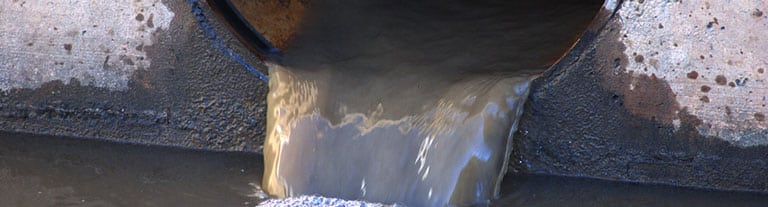
Recent allegations involving dumping of toxic waste and improper transport of waste have been made against many companies. These practices impact groundwater safety.
Here are a few specific cases that jeopardize groundwater supplies in communities across the country.
In January 2019, The Texas Tribune reported on the results of federally required groundwater monitoring.
The newly released report by the Environmental Integrity Project (EIP) found “the groundwater around coal-fired plants across the state contain levels of pollutants like arsenic, boron, cobalt or lithium that would make it unsafe for human consumption.”(22)
In all, 16 Texas coal plants have unsafe levels of contaminants including arsenic causing pollution linked to disposal pits for spent coal.(23)
According to The Texas Tribune, an author of the report said, “We found contamination everywhere we looked, poisoning groundwater aquifers and recreational fishing spots across the state…This confirms that dumping large volumes of toxic waste in poorly-lined pits is a terrible idea.”(24)
Likewise, responsibility for groundwater contamination has clearly been laid on coal burning waste in other utility reports.
Also in January 2019, Inside Climate News states, “The clearest picture of coal ash contamination in the United States is emerging, with utilities reporting serious groundwater contamination in at least 22 states.”(25)
Still, coal is not the only cause for groundwater contamination. Other causes are emerging, some related to transport of waste.
A federal grand jury returned a 16-count indictment against three companies, the Department of Justice U.S. Attorney’s Office for the Central District of California announced in July 2018. Alleged violations included improper disposal, storage, and transport of hazardous waste, specifically arsenic.(26)
The companies involved include:
The U.S. States Attorney’s Office specifically stressed, “The investigation and indictment in this case focused on alleged violations involving Crystal Geyser’s wastewater, not the safety or quality of Crystal Geyser’s bottled water.”(28)
CG Roxane is said to have drawn water from natural sources containing naturally occurring arsenic for the production of bottled water, which they then filtered with sand filters to reduce arsenic concentrations in the water. To maintain the sand filters, a back-flushing technique was used that released arsenic into a hydroxide and water solution, generating arsenic-contaminated wastewater. This arsenic-contaminated wastewater was discharged into a nearby “Arsenic Pond.”(29)
CG Roxane next regenerated and back-flushed the sand filters, hiring United Pumping and United Storm Water to transport the contaminated wastewater and to drain the pond. The companies were to remove the hazardous wastewater to a facility authorized to accept this specific type of hazardous waste. However, during transport of the hazardous wastewater, the companies used manifests that did not disclose any information about the arsenic content of the wastewater. Further, the hazardous wastewater was transported to an unauthorized facility.(30)
Call for a free consultation about your water contamination legal options.
(917) LAWYERSU.S. Attorney Nick Hanna stated, “Our nation’s environmental laws are specifically designed to ensure that hazardous wastes are properly handled from beginning to end ― from the point of generation to the point of disposal.”(31)
California is commonly facing industrial waste pollution, partly due to the mining operations in the state. According to the Western Watersheds Project California director, toxic chemicals pose serious health risks when they get into ponds, evaporate, and become airborne. The chemicals “could then settle in other ponds, streams, and rivers,” including groundwater, says Laura Cunningham.(32)
Another case of business practices leading to groundwater contamination involves General Motors Proving Grounds near Milford, Michigan. A lawsuit was filed by residents of Brighton Township in Michigan.
The suit claims General Motors (GM) “has concealed and denied any claims resulting from water contamination even though in 2014, the company issued a Notice of Migration to nearby residents stating the proving grounds did contribute to groundwater contamination,” reports The Oakland Press.(33)
Residents near GM’s Milford proving grounds have suffered property damage and adverse health effects due to water contamination. (34) Other allegations against GM include fraud, negligence, violations of the Michigan Environmental Protection Act, trespassing, and being a private and public nuisance.(35)
One resident says water tests conducted by the Michigan Department of Environmental Quality (MDEQ) in June 2017 found increased levels of arsenic and sodium chloride in her home.(36)

Most water providers cannot afford to cover the enormous costs of cleanup for groundwater contamination. So water providers should consider legal action against companies whose business practices endanger the property and health of their customers. Such cases can be successfully litigated.
Weitz & Luxenberg has an experienced team of environmental attorneys who take on corporate giants in environmental cases. Our legal team is widely respected and highly successful. We reached a $423 million settlement in a landmark case involving contamination of 153 public water systems nationally.
Weitz & Luxenberg is currently representing water contamination clients in Hoosick Falls and Petersburgh, New York, as well as Merrimack, New Hampshire. These clients all face costly environmental hazards from contaminated water supplies.
Weitz & Luxenberg is also litigating for clients where manufacturing of coal tar products has contaminated stormwater ponds, leading to widespread pollution.
The Environmental Protection Agency (EPA) recognizes radium as a naturally occurring radioactive metal. It is an isotope created when uranium and thorium decay. “In the natural environment, radium is found at low levels in soil, water, rocks, coal, plants, and food.”(2)
The EPA explains that radium is unstable, which leads to a decay process until it forms a stable, decay product that is not nonradioactive.(3) When radium decays, it forms radon gas. The EPA adds, “The most common isotopes of radium are Ra-226 and Ra-228… . All isotopes of radium are radioactive.”(4)
Over time, radium can do serious harm to the human body, because radium is a known carcinogen. That means it causes cancer.
According to the National Cancer Institute, “Scientists estimate that 15,000 to 22,000 lung cancer deaths in the United States each year are related to radon.”(8)
Because radium occurs naturally, everyone has some exposure. But exposure can be increased by human activities such as industry.
Water suppliers near industries that conduct business processes involving coal or fuel burning need to pay close attention to contaminant levels in their surrounding air, soil, and water.
The World Health Organization (WHO) explains that radiation exposure can be internal or external. Inhalation, ingestion, injection, or wounds result in internal exposure to radionuclides. External exposure results from contact of radioactive material with the skin.(10)
The Mayo Clinic indicates, “The severity of signs and symptoms of radiation sickness depends on how much radiation you’ve absorbed.” (11) It goes on to say, “How much you absorb depends on the strength of the radiated energy, the time of your exposures, and the distance between you and the source of radiation.”(12)
The appearance of more symptoms of radiation sickness may take hours, even days.
When radium exposure occurs, it affects whole communities because the contamination often originates from the same source and impacts the surrounding air, soil, and water. One notable example of radium’s widespread impact was found in Texas, according the EWG.
While radium contaminated water was problematic throughout the state of Texas, results from EWG’s analysis were so egregious in Brady, Texas, that CBS News reported radium contamination in water there was nine times higher than it should be.(15)
Brady, Texas, is a community of 5,500 residents. According to CBS News, Mayor Tony Groves explained that “the city faces a tough problem: how to get enough state grant funding to build a new water treatment plant.”(16) Groves stated, “The water treatment plant is going to cost in excess of $20 million.”(17)
CBS reports EWG criticized the EPA and the former head of the Texas commission on environmental quality, Kathleen Hartnett White. Criticism of the EPA stems from the fact that the EPA should have established a database to inform the public of water contamination but had not. EWG also claims White “deliberately falsified data” on public water system radiation levels.(18)
Corporate polluters should pay for the damage their negligent business practices inflict upon surrounding communities and the environment.
Businesses with plants or refineries that burn fuels or coal are among the leading offenders. Water suppliers and communities all across the United States have been successfully holding these giant corporate offenders accountable for the harm they do.
Successful litigation requires a team of environmental attorneys to represent clients’ interests. Weitz & Luxenberg has successfully litigated environmental pollution cases and currently represents clients nationwide.
Have you been exposed to radium as a result of nearby industrial operations? Contact us now for a free evaluation.
Get a Free Case ReviewWe have won billions of dollars in verdicts and settlements for our clients. Our wins for our clients include a $423-million methyl tertiary butyl ether (MTBE) settlement for the contamination of 153 public water systems.
Our attorneys have handled cases from petroleum spills in the Gulf of Mexico to gas leaks in California and water contamination in New York and New Hampshire.
You get a team with years of knowledge and experience in going up against large corporations legally, which contributes to our recognized success in this area.
The EWG has built its own database to help communities become aware of their risks for high levels of radium in drinking water supplies. To check your community’s risks, visit the EWG interactive map. The database search utilizes public zip codes.(19) (20)
Keep in mind that water suppliers and the communities they serve may be faced with bearing the costs for cleanup of contaminated water supplies, air, or soil. Those costs can be staggering. Communities should make the companies responsible for the contamination pay for the cleanup.
The Safe Drinking Water Act authorized the EPA to determine levels at which contaminants in drinking water have no adverse health effects. These nonenforceable levels represent health goals called maximum contaminant level goals (MCLG). The resulting enforceable regulations known as maximum contaminant levels (MCL) are based on MCLG. The MCL is set as close to the MCLG as possible.(21)
The EPA has established the MCL for radionuclides as radium 226 and 228 (combined) has an MCL of 5 pCi/L.(22)
The Energy Policy Act of 2005 gave the Nuclear Regulatory Commission (NRC) regulatory authority over radium that has been “processed, or concentrated, for use in commercial, medical or research activities.”(23) Get more information regarding NRC’s regulations.(24)
The Department of Transportation regulates shipment processes for transport of radioactive materials.(25)
To ensure levels of radionuclides in drinking water meet federal standards, water suppliers use a number of processes to remove or dilute the amount of the contaminant in the water they supply to their customers.
Just as with other contaminants, the EPA requires water suppliers to test their systems for radium contamination at entry points to the distribution system.(27)
Communities and water suppliers need to consider a number of issues when deciding how to best remove radionuclides from drinking water.
Each option needs to be evaluated for compliance with federal statutes, feasibility, and cost effectiveness.
When elevated levels of waste residuals are present in water systems, there are treatment options available depending upon the type of waste.
There are three types of solid waste: sludge, spent media, and spent membranes.
In the U.S. from 1929 until the late 1970s, they were manufactured essentially by one corporation — Monsanto. Other manufacturers used these substances in hundreds of commercial products, such as lighting ballasts, caulk and paints. They introduced an estimated 1.5 billion pounds of these toxins into our air, water and soil.
Currently, PCBs are widespread throughout our country. They are found in schools, offices and other buildings. If they are found during the course of renovation, they must be disposed of in a special landfill authorized to accept PCB-containing waste, and the cost of that remediation and disposal is high. High levels of PCBs can also cause health impacts among occupants of the buildings.
Weitz & Luxenberg believes that the costs of removing PCBs from buildings should not be borne by you or the taxpayers, that justice demands you be reimbursed by Monsanto and its affiliated companies, the very corporations ultimately responsible for putting this toxic chemical into the environment in the first place. There exists a 50-50 chance that the schools and government offices in your community contain Monsanto PCBs if they were built between 1950 and 1984.
During that span, construction of more than 48,000 schools took place in the U.S., and close to half of them used materials — especially window and door caulk, and lighting ballasts — laced with PCBs.
Have you been exposed to PCBs as a result of nearby industrial operations? Contact us now for a free evaluation.
Get a Free Case ReviewAdd to that tally tens of thousands more college dorms or residences, libraries, and government offices of all types. Many of them too used PCB-containing construction materials.
As these materials age, they release PCBs into adjoining materials, the air, the soil surrounding the building, or a combination of all three.
Unless and until remediation occurs, the release of PCBs from those materials will continue. And where PCB contamination exists, it likely does so at levels substantially exceeding EPA standards. These levels are established because if they are above the standards, PCBs can cause adverse health effects.
EPA guidelines specify the quantities of PCBs that can be contained in construction and other materials. Yet, survey after survey finds these limits are far exceeded. While the EPA does not impose an affirmative duty to test existing caulk, it has stated that caulk containing PCBs at levels greater than 50 parts per million (ppm) is not authorized for use. It must be removed and, when removed, treated as a PCB bulk waste. This requirement places a substantial, potential cost on building owners as caulking in some public buildings has been found to exceed 200,000 ppm. A San Francisco study found one-third of the tested buildings had caulking that exceeded the 50 ppm limit.
Additionally, the guidelines restrict adult exposure to PCBs in the air to no more than 450 parts per billion for adults. However, in a New York City public school building, the EPA measured airborne PCB concentrations of as much as 2,920 ppb — more than six times the limit. This is critical, since the standard is even lower for children, and many of the affected buildings are schools.
PCBs don’t break down easily. As a result, expect them to keep cycling through our environment for decades to come. Soil, water, air, plants, and sea life will continue to manifest the effects of PCBs.
Weitz & Luxenberg has long been concerned about these effects on the environment in and around your locality, on the adults and children you serve, and on your treasury. In response this concern, we represent public entities against the corporations responsible for environmental contamination. On their behalf, we seek reimbursement from Monsanto for the costs of remediating PCB contamination.
Securing reimbursement is vitally important for communities that lack the resources to meet the extremely high costs of remediation.
As a nationally recognized environmental, toxic torts, and consumer-protection law firm, Weitz & Luxenberg is committed to helping clients win cases.
For nearly 40 years, we have dedicated ourselves to holding irresponsible corporations accountable, and we have obtained more than $26 billion in verdicts and settlements for our clients.
We would feel privileged to assist you. For a free consultation and more information about your legal options, please call us at (917) LAWYERS.
If you prefer, you can complete our form, and our client relations representative will contact you shortly.
Before the April 20, 2010, BP oil well blowout that unleashed the largest oil disaster in U.S. history, the 2-½-mile-deep Macondo well in the Gulf of Mexico had gotten the reputation among some crew members as “the well from hell.”(1)
But just 16 hours before the explosion, an engineer who had been dispatched to help sent an email from the Deepwater Horizon drilling rig to coworkers in Houston telling them he had good news: “We have completed the job and it went well.”(2)
Eleven men were killed when the Macondo well — 5,000 feet below the surface of the water — exploded, ultimately spewing an estimated 3.19 million barrels of oil into the Gulf of Mexico before it was capped 87 days later.(3)
Some of the consequences to wildlife were immediately apparent: pelicans became black with oil; fish were seen floating dead in brown sludge; dead turtles washed up on shore while dolphin and sea turtle strandings spiked. Other environmental effects will take years to measure.(4)
In addition to the environmental catastrophe that resulted from the blowout 42 miles from the Louisiana coastline, hundreds of thousands of innocent people suffered.
Renowned environmental and consumer class action attorney Robin L. Greenwald at Weitz & Luxenberg served as a member of the Plaintiffs’ Steering Committee in the class action litigations, helping to secure full compensation for the victims of the spill.
Drilling for oil in the Gulf of Mexico was dangerous to begin with. In the nine years leading up to the Deepwater Horizon disaster, 60 people had died and 1,550 were injured on the 90 big drilling rigs and 3,500 production platforms where there had been 948 fires and explosions.(5)
But the BP oil disaster did not have to happen. Investigators said the blowout at the well “was not a statistical inevitability.”(6)
A commission that reported to President Obama about the cause of the BP oil spill concluded that “a number of separate risk factors, oversights, and outright mistakes combined to overwhelm the safeguards meant to prevent such an event from happening. But most of the mistakes and oversights at Macondo can be traced back to a single overarching failure — a failure of management” by BP, Transocean, the owner of the drill rig, and contractor Halliburton.(7)
BP’s “safety culture,” the commission reported, “failed on the night of April 20, 2010, as reflected in the actions of BP personnel on- and offshore and in the actions of BP’s contractors.”(8)
An expert in catastrophic risk management, Robert Bea, testified under questioning from Ms. Greenwald in the trial that “BP management knowingly ignored required process safety management mitigations for blowout source control in deepwater exploration wells.” He continued, “The blowout source control failures resulted from a disregard of the risk of loss of primary containment and an uncontrolled flow of oil and gas from the well.”
As the oil oozed and floated through the Gulf waters, damaging the environment and wildlife, workers from BP and Transocean were joined by thousands of government employees in trying to contain the damage and stop the spill that threatened beaches and coastal ecosystems.(9)
Long before the well was capped, oil started appearing on the shores of Louisiana. Thirty days after the well blew out, oil began infiltrating the Pelican State’s marshes and estuaries, which posed a particular challenge for cleanup and was a threat to young animals.(10) (11)
The spill would affect much of the Gulf Coast’s human population. In Louisiana alone, researchers estimated $32 million in lost visitor spending through the end of 2010, due to the spill.(12)
A survey taken soon after the spill found 21% of leisure travelers less likely to visit Florida, and almost 30% less likely to visit Alabama, Louisiana, and Mississippi.(13)
Aside from the money that flowed from cleanup and containment efforts, the National Oceanic and Atmospheric Administration estimated that between $527 million and $859 million was lost in recreational opportunities, including boating, fishing, and beach visits, because of the spill.(14)
While economic effects have been mixed, the impact on wildlife and the environment has been profoundly negative. For example, dolphins in Barataria Bay were found to be underweight and anemic with low blood sugar and symptoms of liver and lung disease.(15)
NOAA scientists found the dolphin population in the bay decreased by up to 51%.(16)
Researchers also found that up to 84,000 birds were killed as a consequence of the spill, and up to 166,000 juvenile sea turtles perished. They estimated that as many as 5 trillion newly hatched fish died and between 4 billion and 8.3 billion harvestable oysters were lost.(17)
Rare corals and red crabs in an area 400 to 700 square miles around the wellhead were harmed, while 350 to 720 miles of shoreline experienced a reduction in plant cover and vegetation.(18)
Five years after the disaster, BP reached an agreement in principle with the United States and five Gulf states to settle civil claims against the company for a total of $18.7 billion. It was the largest environmental settlement in the history of the United States and the largest ever civil settlement with a single entity by the Department of Justice.(19)
This settlement was intended to provide a constant stream of money over the next 15 years to help restore natural resources and improve the economy in Gulf Coast communities affected by the BP oil disaster.
BP, chancing its odds of a reduction to the settlement it already approved, challenged the agreement. Ultimately, the settlement stood, and a new and improved version emerged.
On April 4, 2016, a federal district judge approved “the largest environmental damage settlement” in U.S. history: an astonishing $20.8 billion. Of this amount, 20% was designated for The Oil Spill Liability Trust Fund and 80% was directed to the Gulf Coast Ecosystem Restoration Trust Fund.(22)
In addition to Ms. Greenwald, another attorney from the firm’s Environmental Toxic Torts and Consumer Protection Litigation unit served as a key member on the Plaintiffs’ Steering Committee in the litigation against BP. Their efforts helped secure full compensation for hundreds of thousands of people harmed by the BP oil spill.
Their tenacity and commitment amplified a team effort that ultimately resulted in a just verdict against BP. BP was found grossly negligent in its role in the Deepwater Horizon oil spill catastrophe.
Through the dedication of attorneys such as Ms. Greenwald emerged a remarkable and unanticipated outcome: the creation of the Gulf Region Health Outreach Program (GRHOP). Dedicated to improving health care in the Gulf. This program received $105 million in funding through the BP settlement.
This program has joined together four Gulf states and four health-related programs in an effort to create and sustain high-quality health care services and facilities in the Gulf region. It focuses specifically on serving those most directly affected by the oil spill disaster.
Class members include everyone who worked to clean up the BP oil spill, as well as people living in specific coastal areas and wetlands of Louisiana, Alabama, Mississippi, and the Florida Panhandle. Target beneficiaries of GRHOP include residents, particularly the uninsured and medically underserved of 17 coastal counties and parishes. Most class members benefit directly from this program.
Asbestosis is a chronic lung condition caused by asbestos exposure and characterized by the formation of scar tissue in the lungs.
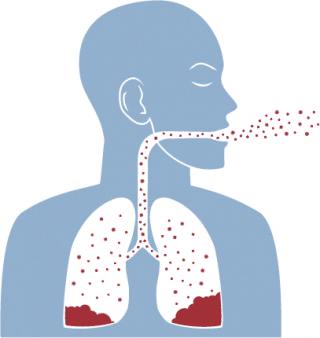
The disease can occur when a person breathes in tiny, toxic asbestos fibers. The dangerous fibers become trapped in the lung, and the lung tries unsuccessfully to remove the asbestos. This in turn leads to lung damage and scar tissue, which make it tough to breathe.
Symptoms of asbestosis worsen over time and often lead to respiratory failure and other deadly complications. To date, there is no cure for asbestosis.(1)
Signs and symptoms of asbestosis may not arise for 10 to 40 years or more after exposure to asbestos.(2) This is called the latency period.
After a person has been exposed to asbestos, scar tissue develops for many years. Scarred tissue prevents the lungs from expanding and contracting normally, making it hard to breathe.(3)
Shortness of breath with physical activity is the main symptom of asbestosis. People with asbestosis also may feel fatigued or experience a persistent dry cough.(4)

Anyone who experiences symptoms of asbestosis should consult a doctor immediately. Asbestosis patients may also choose to contact an experienced asbestos attorney to discuss their legal options.
As asbestosis progresses over time, it can become harder to breathe, even after the exposure to asbestos stops. Eventually, asbestosis patients may require treatment that provides them with extra oxygen to help them breathe.
The severity of the asbestosis generally depends on the amount of time a person was exposed to asbestos and how much asbestos that person inhaled.(8)
To diagnose asbestosis, a doctor will likely ask patients about their jobs, to determine the extent of their asbestos exposure, and about their breathing, both at rest and during activity. The doctor usually uses a stethoscope to listen to the lungs and may hear a crackling sound when patients with asbestosis inhale.


Breathing tests.

Chest X-ray.

Computerized tomography (CT) scan of the chest.
If an asbestosis diagnosis is confirmed, a doctor may recommend treatment options to relieve symptoms or slow the disease’s progress. Weitz & Luxenberg does not provide medical advice, and the decision of which treatment options are best in any given situation is a matter between a patient and his or her doctors.
Some doctors may prescribe medications to thin lung fluids or recommend procedures to remove fluids from the lungs. People with asbestosis may require oxygen either by mask or by a plastic piece that fits into the nostrils. In a severe case, an asbestosis patient may need a lung transplant.(9)
Have you or your loved one suffered complications due to asbestos exposure? Contact us now for a free consultation.
Get a Free Case ReviewMany Americans who are diagnosed with asbestosis were exposed to asbestos before the 1970s, which is when the health consequences of asbestos exposure lead the U.S. Occupational Safety and Health Administration (OSHA) to impose severe restrictions on exposures.
Prior to that time, companies used asbestos widely as an insulator and fire retardant, particularly in the construction, automotive, manufacturing, and shipbuilding industries.(10) Some members of the U.S. military and family members of asbestos workers also encountered the toxic fibers.
Despite current federal regulations, asbestos may still be present in older homes and public buildings, including schools. As a result, demolition workers, drywall removers, asbestos removal workers, and firefighters, among people in other occupations, continue to be at risk of asbestos exposure.
In addition, construction workers, automotive workers, and laborers in other industries still face significant exposure in the workplace.(11)
Years or decades have gone by since you were first exposed to asbestos dust, and now you are facing an asbestosis diagnosis. You may be unsure of your legal options for seeking compensation, and filing a lawsuit after all these years can seem daunting. We are here to help.
Weitz & Luxenberg’s trusted asbestos attorneys will track down the source of your asbestos exposure and handle the legal burden so that you can focus on your health and the people you love.
Having represented more than 44,000 individuals and families affected by asbestos exposure, we have developed winning methods to convey to juries the complex scientific and medical issues involved in asbestos cases.
Were you or a loved one diagnosed with mesothelioma? Call for a free legal consultation.
(917) LAWYERSWeitz & Luxenberg offers a team of nearly 100 attorneys, many solely focused on asbestos cases. Over the past three decades, we have provided exceptional and caring legal support to asbestos victims and surviving loved ones, winning $13 billion in asbestos settlements and litigation.*
With multiple office locations, we successfully represent clients across the U.S., handling more than 500 cases annually. Our comprehensive Client Relations department is on call 24/7 to answer questions and ensure that all your needs are met efficiently.
Hear From Our Clients
Weitz & Luxenberg has been incredibly helpful and informative. 10/10 Would recommend!”
A.M., via Google Reviews
For a free legal consultation and to learn more about your legal options, please contact our office at (917) LAWYERS or fill out a form to speak to one of our asbestos attorneys.
Lung cancer occurs when cells in the lung grow uncontrollably to form a tumor. Cancer cells destroy healthy lung tissue and prevent the lungs from functioning properly.

While this type of cancer starts in the lungs, symptoms usually do not appear until the cancer has spread to other parts of the body, and then it is more difficult to treat.(1)
Lung cancer is the leading cause of cancer deaths, killing more people than colon, breast, and prostate cancers combined.(2)
It is estimated that nearly 240,000 new lung cancer cases will be diagnosed in 2023.(3) About 9% to 15% of lung cancers are caused by occupational exposures to carcinogens, including asbestos.(4)
People who work or have worked with and around asbestos are many times more likely to die of lung cancer, according to studies of asbestos-exposed workers.(5) Overall, the more a person is exposed to asbestos, the higher the risk of lung cancer. This increased risk is seen with the inhalation of all forms of asbestos fibers.
Most cases of lung cancer in asbestos workers occur at least 15 years after first contact with asbestos. Workplaces where employees may have been heavily exposed to asbestos include places where insulation is used, brake and clutch repair shops, and shipyards. Asbestos may also be found in cement, roofing materials, pipe covering, gaskets, and brake linings. Some older buildings, schools, and homes may contain asbestos, too.

The notion that health effects of asbestos exposure might be linked with lung cancer began to surface in the 1930s. By 1955, it was firmly established that asbestos workers face a “notably higher risk” of developing lung cancer than the rest of the population.(6) In addition, workers exposed to asbestos who also smoke have an even greater risk of contracting lung cancer.(7)
It is estimated that nearly 34,300 people die each year from asbestos lung cancer.(8) Weitz & Luxenberg achieved a landmark $12.5 million verdict on behalf of a mechanic who was exposed to asbestos on the job and later died of lung cancer.
Have you or your loved one suffered complications due to asbestos exposure? We offer a free legal consultation.
Get a Free Case ReviewThere are two main types of lung cancer:

A third type, Lung Carcinoid Tumor, which accounts for less than 1-2% of lung cancers.(9)
Like mesothelioma and asbestosis, asbestos lung cancer has a long latency period, meaning it can take decades after first asbestos exposure for symptoms of the asbestos-related disease to emerge.
The most common symptoms of lung cancer include:
Many people may inadvertently delay their diagnosis by mistaking the symptoms of asbestos lung cancer for other ailments, such as complications from smoking or an infection.(12) Doctors may use several tests to detect lung cancer. These include:


Typically, symptoms of lung cancer do not appear until the disease is already at an advanced stage. The stage or progression of lung cancer is determined by:

To determine the stage of someone’s lung cancer, doctors may prescribe:
Finding lung cancer early can increase a person’s treatment options and improve his or her chances of living longer. Doctors discovered a test, a low-dose CT (LDCT) scan, that can be used to screen for lung cancer in people at high risk of the disease.(15)
By the time lung cancer is detected, it sometimes has spread to other parts of the body, making it hard to treat. While treatments available today have not been successful in curing all lung cancers, care is available at any stage of the disease to help ease the symptoms.
Weitz & Luxenberg does not provide medical advice, and the decision of which treatment options are best in any given situation is a matter between a patient and his or her doctors. Examples of lung cancer treatment options include:
Most people who have surgery for lung cancer will have a lobectomy, which is when a surgeon removes the lobe of the lung that contains the cancer.
Lung cancer patients may choose to undergo radiation therapy instead of, or before or after, surgery. It can also be done in combination with chemotherapy.
Chemotherapy uses drugs to kill cancer cells. Patients may choose to undergo chemotherapy by itself or along with radiation therapy and/or surgery.
Doctors may recommend target therapy for non-small cell lung cancer that has spread. This therapy can block the growth and spread of lung cancer cells.(16)
Weitz & Luxenberg is a steadfast protector of the rights of people who have been recklessly exposed to asbestos. We have secured more than $13 billion in asbestos verdicts and settlements, including $26 million for a widow of a boilermaker who died of lung cancer and $11 million for the daughter of steamfitter who also died of lung cancer.*
We have successfully argued that occupational exposure to asbestos was a substantial factor in causing our clients’ lung cancers, and we have persuaded juries to reject the defense’s argument that the sole cause of our clients’ lung cancers was smoking.
Hear From Our Clients
A firm that seems to show a great deal of concern about their clients. They are willing to stay late after hours just to get the job done, so I say job well done keep up the good work.”
C.M., via Google Reviews
If you were exposed to asbestos and have been diagnosed with lung cancer, or if your loved one died of lung cancer, you may be eligible for compensation.
For a free consultation and more information about your legal options, please call us at (917) LAWYERS or fill out a form. We would feel privileged to help you.
12 million Americans suffer a diagnostic error every year, and up to one-third of these suffer serious permanent harms, including disability or death.” (3)
Unfortunately, when a serious medical diagnosis is missed, it can result in even more pain and suffering for a patient than if the illness was identified correctly. According to researchers, “delayed cancer diagnosis is believed to be one of the most harmful and costly types of diagnostic error.”(2)
According to the best numbers available, “12 million Americans suffer a diagnostic error every year, and up to one-third of these suffer serious permanent harms, including disability or death.”(3)
A misdiagnosis or diagnostic error may mean you have been diagnosed with cancer when you don’t have cancer or that you have cancer that has not been diagnosed.
According to one medical expert, “The Institute of Medicine defines diagnostic error as ‘the failure to establish an accurate and timely explanation of the patient’s health problem(s) or communicate that explanation to the patient.”(4)
As he explains it, “Misdiagnosis is incredibly frequent because medicine is incredibly hard. There’s uncertainty and complexity and incomplete information all the time.”(5)
If you are the victim of a diagnostic error, you could benefit from the experience and knowledge of a cancer misdiagnosis attorney.
A knowledgeable and experienced cancer misdiagnosis attorney evaluates your situation to determine if there are grounds for a cancer misdiagnosis lawsuit to gain compensation for you or your loved ones.
The attorney considers factors such as:
Not every situation is clear-cut, and seeking compensation requires familiarity with the law. That’s why you need an attorney who has dealt with these types of cases before.
Medicine is complicated, and mistakes do happen. However, not every mistake equates to medical malpractice.
Doctors are responsible for providing the care that any reasonable doctor would provide under the same or similar circumstances.
To prove medical malpractice, a trained cancer misdiagnosis attorney identifies instances where a doctor may have made an unreasonable mistake and should be held accountable.
For a doctor to be found liable, there must be a breach of the professional standard of care as well as the patient suffering from some injury.
The injury must be one that would not have happened if the doctor did not breach the professional standard of care.

As a national law firm, Weitz & Luxenberg P.C. has been winning cases for clients for 30 years.
Our attorneys are highly trained and experienced with cancer misdiagnosis lawsuits. Our firm has the resources to take on large, complex, and lengthy litigations, especially for those who would otherwise be without a voice.
Additionally, an important component in any cancer misdiagnosis lawsuit is the pain and suffering the plaintiff endured because of the cancer misdiagnosis. This includes undergoing unnecessary surgeries, radiation, or chemotherapy treatments. It also includes any financial burden the plaintiff has incurred due to the misdiagnosis.
When you work with W&L you get a team of attorneys that is willing to challenge the medical professional and institutions that caused you harm. We have been successful in our compensation fights for many clients.
For example, attorneys at W&L successfully negotiated a substantial financial settlement for Joan S., who lost her husband, Albert, to colon cancer in 2009. Albert’s death was unnecessary; his cancer was very treatable at the time it was detected. But he didn’t know.
Doctors failed to tell Albert he had colon cancer, although they had detected it 18 months before his death — in plenty of time to treat it. Albert’s doctors never even ordered any treatment for his colon cancer.
Have you experienced pain and suffering from your cancer being misdiagnosed? Contact us now for a free consultation.
Get a Free Case ReviewJoan S. says, “My lawsuit was not just about resolution and restitution. It was also about retribution. I wanted the people who were responsible for Albert’s death to be punished. The way that would happen is if they had to pay a steep price for what they did.”
The likelihood of survival is an important consideration in the doctor’s liability, as is the plaintiff’s reduced quality of life. Additionally, any “lost chance” at treatment or survival is taken into account.
In another cancer misdiagnosis lawsuit, Weitz & Luxenberg negotiated a $1.975 million settlement on behalf of the estate of a 51-year-old woman who died.
Lynette Ryan died from a ruptured pancreas that was misdiagnosed. The first diagnosis was gastritis, then carcinomatosis — a type of metastasized cancer, and finally ovarian cancer. An autopsy finally determined the true cause of Lynette’s death was a ruptured appendix.
Gary Klein, the W&L managing attorney, said, “You can only get these substantial settlements if you choose a law firm with the experience to go the distance. Your legal counsel has to know how to handle your needs, and balance the legal aspects with a need for compassion and understanding, in order to have a successful lawsuit.
A sense of compassion is essential when dealing with our clients who get a cancer misdiagnosis. Sadly, such cases are not confined to one form of the disease.
Many cancers are potentially life-threatening, so early detection and intervention is key. When cancer is misdiagnosed, the chances for a positive outcome are jeopardized.
Even when a doctor’s cancer diagnosis turns out to be incorrect, it may not be medical malpractice. Some cancers are very hard to detect, or benign conditions might reasonably be mistaken as malignant.
Testimony from additional medical experts is required to determine if a doctor has provided the reasonable standard of care in your particular case.
Modern cancer treatments have greatly increased survival and recovery rates among cancer patients. So be aware that a misdiagnosis does not have to be fatal for a cancer misdiagnosis lawsuit to be successful.
If you have been diagnosed with cancer, but in fact do not have cancer, you may be entitled to compensation for unnecessary surgeries or treatments.
Many states also allow you to be compensated for living under threat of a cancer misdiagnosis and the fear and anguish you suffer due to misdiagnosis.
Medical malpractice cases are highly complex, with every case being unique; success depends upon the circumstances of each.
A trained and experienced cancer misdiagnosis attorney can help you determine the potential for success of your case.

According to the National Cancer Institute at the National Institutes of Health, “Cancer is the name given to a collection of related diseases. In all types of cancer, some of the body’s cells begin to divide without stopping and spread into surrounding tissues.”(6)
In a healthy person, cells divide to form new cells as they are needed. As this happens, old and damaged cells die off and are replaced by new ones. In cancer, this process breaks down.(7)
In someone who has cancer, “old or damaged cells survive when they should die, and new cells form when they are not needed. These extra cells can divide without stopping and may form growths called tumors.”(8)
The cancers form into solid tumors, which become masses of tissue. Tumors can spread and invade other nearby tissues in the body.(9) Tumors are classified as either benign or malignant.
Experiencing pain and suffering after your cancer was misdiagnosed? Speak to a top attorney for a free consultation.
(917) LAWYERSWhile a benign tumor can grow large, the cells from this type of tumor do not break off and travel to other parts of the body. And, once the tumor is removed, it generally does not grow back.(10)
Such is not the case with malignant tumors. Malignant tumor cells break off and spread to other areas of the body, forming new tumors.(11)
The causes of cancer are not fully understood. The American Cancer Society suggests there are a variety of factors at play in the development of cancer, from genetics to diet and exercise, from exposure to viruses and carcinogens to radiation and chemicals. Even microwaves and cell phones have been listed among the possible causes.(12)

To diagnose cancer, doctors first conduct a physical exam during which they ask questions about your personal medical history as well as the medical history of your family members.
Next, doctors may conduct tests to aid in the diagnostic process. Common tests used to diagnose cancer include lab tests where samples of blood, urine, and other bodily fluids are taken for measurement. Biopsies — procedures where tissue samples are extracted to be viewed under a microscope — may also be performed. Additionally, imaging procedures might be utilized.(13)
According to the National Cancer Institute, imaging procedures help doctors see if there are tumors present in the body. Imaging technologies include:
An error anywhere in the diagnostic process, whether made by the doctors or the technologies used, can result in a cancer misdiagnosis.
As a rule, blood tests and other laboratory tests are the first tools employed by physicians in making a diagnosis.
While these tests provide much needed information, which may be indicative of cancer, they are rarely relied upon as the sole basis for forming a cancer diagnosis.
Even when blood-born cancers are in question, other tests may be necessary to confirm a diagnosis of leukemia, lymphoma, or myeloma.
Blood and lab tests are usually followed up with biopsies of the organs or tissues in question.
Biopsies are the removal of tiny pieces of bodily tissues for examination under a microscope by a type of doctor called a pathologist. Newer techniques, such as needle aspiration, have even further reduced the size of the tissue sample necessary for the procedure.
Upon viewing the cells in the tissue sample, the pathologist determines if they are benign (not harmful) or malignant (cancerous). The difference between benign and malignant cells can be subtle, adding a layer of difficulty to the process.
Adding yet another layer of difficulty, the pathologists must also determine the degree of malignancy in any malignant cells present in the tissue sample.
It is this level of difficulty, which depends greatly on a pathologist’s abilities, that increases the chances of a misdiagnosis.
Commonly misdiagnosed cancers include:
While it is true that early detection and intervention are critical to survival of breast cancer, there are indications that women within certain age groups might be susceptible to misdiagnosis.
Over a 3-year period, 7004 patients were discharged with a nonmalignant diagnosis. Twenty-nine patients were subsequently diagnosed with breast cancer over the next 36 months.” (16)
A 2009 study, One-stop diagnostic breast clinics: how often are breast cancers missed?, was undertaken to “Estimate the number of patients discharged… who subsequently develop breast cancer and to determine how many of these cancers had been ‘missed’ at initial assessment.”(15)
“Over a 3-year period, 7004 patients were discharged with a nonmalignant diagnosis. Twenty-nine patients were subsequently diagnosed with breast cancer over the next 36 months.”(16)
The study reported, “The lowest sensitivity of initial assessment was seen in patients of 40-49 years of age, and these patients present the greatest imaging and diagnostic challenge.”(17)
Key to the diagnosis and treatment of cervical cancer is the use of imaging technologies like CT scans, MRIs, and PET scans. These imaging technologies depend on contrast resolution.(18)
Errors can arise from poor contrast resolution of a tumor and tissues, calling into question their reliability and potentially leading to cervical cancer misdiagnosis.
Also, other problematic issues for imaging technologies are limitations on the field of view, alterations in signal intensity, metabolic activity of a tumor, and the presence of brown fat.(19)
The most common form of kidney cancer in adults is renal cell carcinoma. And in the past, biopsies have not always proven effective in the diagnosis of kidney cancer.
While a 2016 study by Fox Chase Cancer Center on the use of biopsies for kidney cancer diagnosis suggests that core-needle biopsies improve effectiveness, researchers acknowledge important limitations to biopsies.
In the study, “biopsies led to inaccurate classifications of tumor grade in 37 percent of surgical cases, putting patients at risk of under-treatment.”(20)
“In addition, 30 percent of patients who had biopsies and underwent surgery potentially had low-risk tumors, suggesting that they may have been over-treated and better managed by active surveillance.”(21)

In a 2017 article published in Diagnostic and Interventional Radiology, the authors note that “Lung cancer accounts for 1.59 million deaths per year worldwide.”(22)
They also note that, “In 90% of the cases, errors in diagnosis of lung cancer occur on chest radiographs.”(23)
Among the reasons for overlooking pulmonary malignancy are:

According to the American Cancer Society, “Ovarian cancer ranks fifth in cancer deaths among women, accounting for more deaths than any other cancer of the female reproductive system.”(25)
Roughly half of the women diagnosed with ovarian cancer are 63 years of age and up.(26)
Testing for ovarian cancer typically includes a colonoscopy and laparoscopy. Doctors do these tests in order to look at the colon and rectum, which helps diagnose the disease and determine that it has not spread.
The colonoscopy, as with other imaging technologies, relies on the use of contrast resolution to view the colon and rectum. Therefore, the potential for contrast resolution errors exists and can lead to misdiagnosis.
A laparoscopy is the insertion of a lighted tube into the body to view the abdomen and pelvic cavity and to perform a biopsy. The potential for misdiagnosis stems from instrument failure or incorrect use.
Frequently, the size of the pancreas has been viewed as indicative of pancreatic cancer, but this is not always the case. If doctors are not alert, a misdiagnosis may result.
It has long been known that the liver can be invaded by fat cells, particularly if the patient has Type 2 diabetes or pancreatitis. Both conditions may cause a fatty liver.
But the fat cells can also invade the pancreas. Authors of a 2015 case report determined that an “Enlarged pancreas is not always a cancer, but pancreatic steatosis is characterized by pancreatic enlargement.”(27)
The authors reported that when a non-obese female was diagnosed with a mass in the pancreas, “Magnetic resonance imaging (MRI) was carried out to define the characteristics of the pancreatic mass. MRI confirmed the diagnosis of fat pancreas.”(28)
If you or a loved one was harmed rather than helped while seeking treatment at a hospital, we encourage you to call Weitz & Luxenberg for more information. Depending on your circumstances, you may be eligible to pursue financial compensation.
Our hospital error lawyers have helped many people. We would be happy to speak with you if you have experienced any of the following types of harm while seeking treatment at a hospital:
We are currently looking into situations in which a health care professional at a hospital was negligent or incompetent in some way or lacked adequate guidelines to offer appropriate assistance.
Our hospital error lawyers at Weitz & Luxenberg have been handling complex hospital error lawsuits for nearly 40 years.
In addition, Weitz & Luxenberg has a solid history of winning cases. We can provide you with the information and guidance you need to evaluate your legal options.
For a free initial consultation, we encourage you to contact us by phone at (917) LAWYERS or through the form provided on this web page. One of our representatives will reach out to you shortly.
It is very distressing that staff members at hospitals can make medical errors and those errors can seriously hurt people. We regularly work with clients who are faced with this difficult situation.
As people, we suffer along with our clients as they go through these terrible journeys.
As attorneys, we do our best to pursue legal options for our clients. We have success in getting them the justice and the compensation that they deserve for their suffering.

When a young mother had her uterus irreparably damaged, our attorneys were able to negotiate a $500,000 settlement for her.
Our client initially experienced bloating and pain. She received misdiagnosis after misdiagnosis, at one hospital after another.
She suffered not only pelvic inflammatory disease but also a severe infection and blood clots in her lungs. Now she needs to take blood thinners to prevent further blood clots.
In addition, one surgeon damaged one of her ureters — the tube that connects the kidney to the bladder. Ultimately, our client needed to wear a urine bag outside of her body. She then needed to undergo corrective surgery to repair her damaged ureter.
If you or a loved one was harmed during a hospital visit, contact us now for a free consultation.
Get a Free Case Review“It’s unacceptable that anyone should have to suffer through so much,” said Gary Klein, managing attorney at Weitz & Luxenberg. “When a hospital makes such a horrendous mistake, we believe it is critical to take the legal actions necessary to get justice for this young mother.”
When a man is unable to talk or walk after surgery, he deserves compensation. The attorneys at Weitz & Luxenberg were able to get our client the financial settlement that he deserved.
It is incomprehensible that this type of situation occurs. We held those who were responsible legally accountable for diminishing this man’s ability to live a full life,” said Mr. Klein.
Our client underwent brain surgery. At some point during the operation, something went terribly wrong, and the hospital personnel never said what.
Following the surgery, the man experienced violent seizures, developed a severe infection, and suffered a heart attack. Today, he is permanently debilitated.
“It is incomprehensible that this type of situation occurs. We held those who were responsible legally accountable for diminishing this man’s ability to live a full life,” said Mr. Klein.
Although it cannot restore his quality of life, the settlement the attorneys at Weitz & Luxenberg were able to negotiate provided funds for medical and living expenses as well as compensation for pain and suffering.
Another one of our W&L clients received significant compensation for what turned out to be an almost fatal infection. She visited three hospitals seeking treatment. Our client initially just felt ill and didn’t know what was causing it. She faced one misdiagnosis after another.
Meanwhile, she underwent surgery to have a mass removed from her stomach. Afterward, she experienced numerous complications, including blood clots in her lungs and damage to her internal organs.
“It’s almost impossible to comprehend the pain and suffering this woman went through, especially in the United States, where we expect a significantly high level of hospital quality.” Mr. Klein emphasized. “We firmly believe that when health care providers are responsible for incompetent actions, they should be held accountable. That is the only way to try and make sure this doesn’t happen again in the future.”
Our client received a significant settlement, due to negotiations led by Weitz & Luxenberg attorneys. We could not prevent what happened. However, we did our best to get her the compensation she deserved after what she went through, due to hospital error.

According to the Journal of Patient Safety study, there are at least three major types of preventable hospital mistakes, also called adverse events. A patient may suffer harm right away, days or months after leaving the hospital, or even years later.(3)
Immediate harm may be caused by a hospital medication error. For example, a patient may develop excessive bleeding because she was given an overdose of a blood-thinning medication.(4)
A patient may develop a hospital infection that does not become apparent for weeks or months. An example of this is the hepatitis C virus. A patient may come into contact with contaminated medical equipment at a hospital. The patient was exposed to hepatitis C but not diagnosed until weeks or months later.(5)
An example of harm uncovered years later occurred when years after undergoing surgery and then being released, a patient developed a nearly lethal pneumococcal infection from exposure during surgery. Guidelines required administering the available vaccine, to prevent such an occurrence.(6)
Hospital medication mistakes are one of the most common types of inpatient hospital errors.(7) Sometimes something as simple as trying to figure out a doctor’s handwriting can lead to a mistake in dosage or medication.(8)
Some medications sound similar or are spelled similarly but are used to treat totally different conditions. For example, Celebrex versus Celexa.
Celebrex is an NSAID, a nonsteroidal anti-inflammatory drug used to reduce inflammation and pain. Celebrex may be prescribed to treat arthritis, some types of severe pain, and menstrual pain.(9)
Celexa is an SSRI, a selective serotonin reuptake inhibitor. Celexa is used to treat depression, not arthritis.(10)
Giving a patient the wrong drug can be catastrophic. Alternatively, giving the patient the wrong dose can be deadly.(11)
Too much of a medication can lead to complications. Giving too little can also lead to complications.(12)
Patients in hospitals also face the possibility of infection. According to the Centers for Disease Control and Prevention, roughly one in 31 patients in a hospital setting develops an infection related to the care he receives on any given day.(13)
Patients can get infections through their veins, through catheters, from medical instruments and devices, and from the hospital environment itself. Infections include:(14)
Mistakes are also possible when people visit the ER. For example, overcrowding can lead to mix-ups between patients, their medical conditions, and lab tests.(15)
In fact, overcrowding can be a major problem for patients. Quality of care in general tends to degrade when overcrowding occurs.(16)
Horror stories about emergency room misdiagnoses can be found everywhere. According to The Wall Street Journal, a young man went to the ER with a fever and chills. Hospital personnel sent him home and advised him to take Tylenol. This man ultimately died of a blood infection called sepsis.(17)
A woman in her 40s went to the ER with chest pain and was released. Just two hours later, she suffered a heart attack.(18)
A young girl went to the ER and the doctor diagnosed a stomachache. Shortly afterward, her appendix ruptured.(19)

If you or your baby suffered any type of damage while you were giving birth, or shortly afterward, you may have grounds for a lawsuit. Knowledgeable, well-trained, and experienced doctors take precautions when facing a difficult delivery.
A number of conditions pose challenges:(20)
Sometimes the mother suffers life-threatening complications, even death.(21) Sometimes her baby does.(22)
You may have grounds for a lawsuit if doctors and others who treated you at a hospital were negligent.
In legal terms, negligence means a failure to behave with the level of care that someone of ordinary prudence would have exercised under the same circumstances. The behavior usually consists of actions, but can also consist of omissions when there is some duty to act (e.g., a duty to help victims of one’s previous conduct).(23)
In other words, health care providers may have been negligent if they provided inappropriate treatment or failed to provide appropriate treatment.
In determining if a health care provider acted in a way that lacked reasonable care, the following criteria are considered:(24)
Medical malpractice attorneys need to consider four criteria to establish a prima facie case of hospital error negligence:(25)
As a patient in a hospital, you should be able to expect a trained health care provider to provide reasonable care based on training and expertise. For example, nurses’ aides may be able to provide certain types of care, while physicians, surgeons, and specialists such as gynecologists and others are expected to provide reasonable care based on their training and expertise.

According to USA Today, “Thousands of doctors are able to continue practicing despite records of serious misconduct that puts patients at risk.” Many are no longer allowed to practice in hospitals or other medical facilities, but the state medical boards haven’t punished them.(26)
In some cases, people have died because incompetent doctors have been allowed to continue practicing medicine.(27)
In one instance, a woman was “prescribed a high dose of oxycodone, a narcotic more potent than morphine, plus an added prescription for hydrocodone … as well as a mix of thyroid medicine, muscle relaxants, anti-anxiety drugs and painkillers” for a variety of medical conditions.(28)
One night, she told family members she felt weird. They went off to bed, and the woman stayed up to watch television. The next morning, family members found her dead. The cause of death was mixed drug intoxication. Even then, the physician was allowed to continue treating patients.(29)
Attorneys often seek compensation for clients who are victims of pain and suffering.
According to a professor at the University of California, Berkley School of Law, “this is money meant to compensate for things like the physical pain and suffering that goes along with a physical trauma, the emotional harm that can come from an injury to one’s self or a loved one, the disappointment or embarrassment arising from one’s changed appearance or altered abilities to engage in pleasurable activities and favorite pastimes as a result of an injury, the harm to one’s dignity or one’s health from being wrongly injured by another, and so on.(30)
“These injuries are widely acknowledged by Western democracies by ordering legally liable defendants to pay money to their victims in recognition of these harms.”(31)
If you or a loved one experienced pain and suffering due to a hospital physician’s carelessness, incompetence, or negligence, you may have grounds for a lawsuit.
Were you or a loved one injured during a hospital visit? Speak to an experienced attorney today.
(917) LAWYERSHospitals, like other corporations and businesses, have restructured departments in an effort to reduce costs. Some cuts have led to heavier workloads for nurses and other staff members.(32)
Some researchers have expressed concern about the possibility that patient care is declining. Patient safety is also a concern.(33)
Hospital staff may not always be able to keep up with the new demands placed on them. Inadequate guidelines may place patients at risk for hospital error.(34)
If you or a loved one received inadequate or incompetent care from health care providers at a hospital, you may have grounds for a lawsuit.
Weitz & Luxenberg has been handling complex hospital error lawsuits for more than three decades. As a national firm, we have attorneys available across the country.
Whatever your personal circumstances are, one of our hospital error lawyers is available to speak with you. Even if you are in the hospital right now or you are at home and unable to leave because of medical reasons, our attorneys are there for you.
You can count on us to put you first. Over the years, we have won billions of dollars in verdicts and settlements on behalf of our clients.
Please, do not hesitate to contact us. We offer a free consultation and can provide you with the legal guidance you need.
Our phone number is (917) LAWYERS. Or you can use the form on this page to reach one of our representatives.
Although having successful lawsuits in the past does not guarantee that future lawsuits will be as successful, Weitz & Luxenberg has been having successes for almost 40 years.
Our firm has the experience and resources necessary to stand up to the large hospitals and the doctors who work there. We can work with you to get you the compensation you deserve.
When you learn your child has cerebral palsy, you may feel as if your world has turned upside down. The diagnosis is overwhelming.
You know that your life and that of your child have been changed forever. Your child will need special care for the rest of his or her life.
According to the Mayo Clinic, a person diagnosed with cerebral palsy will require a lifetime of specialized treatment, including medication, surgery, and physical therapy.

Sometimes cerebral palsy results from mistakes that occurred during delivery. For example, during a complicated birth, your child may have been deprived of oxygen for minutes, rather than seconds.
Or, if the physician used forceps during the delivery, twisting your baby’s neck in the process, your baby’s brain could have been damaged, resulting in cerebral palsy. Other complications during delivery might also have contributed to your child’s brain damage.

Cerebral palsy is usually a condition that results from brain damage to a baby’s developing brain. “Cerebral” refers to the brain. “Palsy” refers to the loss or impairment of motor function.(2)
Most often, cerebral palsy is a condition that can be traced to damage that took place in the developing brain of an unborn baby.(3) According to the Centers for Disease Control and Prevention (CDC), cerebral palsy occurs when certain parts of an infant’s or young child’s brain are damaged at some specific time — before or during birth, even “within a month after birth, or during the first years of a child’s life, while the brain is still developing.”(4)
According to WebMD, “CP starts in the area of the brain that controls the ability to move muscles. Cerebral palsy can happen when that part of the brain doesn’t develop as it should, or when it is damaged right around the time of birth or very early in life.”(5)
Was your child diagnosed with cerebral palsy due to medical malpractice? Contact us now for a free consultation.
Get a Free Case ReviewAccording to the CDC, most children — 85% to 90% — diagnosed with cerebral palsy suffered brain damage before or during birth. This type of cerebral palsy is called congenital.(7)
Only a small percentage of children are diagnosed with cerebral palsy due to brain damage that occurs more than 28 days after birth. This is known as acquired cerebral palsy. Infections such as meningitis or trauma to the head, such as from a car accident, may damage a young child’s brain and lead to the diagnosis of cerebral palsy.(8)
During pregnancy, the embryo, and then the fetus, is fragile from the moment of conception. Women who receive some types of infertility treatments through assisted reproductive technology face a greater risk of giving birth to an infant with cerebral palsy.(9)


Is your child’s cerebral palsy a result of medical negligence? Speak to an experienced attorney today for a free consultation.
(917) LAWYERSIf your child has been diagnosed with cerebral palsy and you suspect the actions of another person may have placed your child at risk for suffering brain damage, a cerebral palsy attorney may be able to provide you with the guidance you need.
In fact, any number of events or circumstances could have increased the possibility of your child suffering brain damage.
Whatever the exact circumstances, a specialized cerebral palsy attorney can help you identify potential areas of medical error or negligence.
Medical malpractice, however, is just one potential area of concern.
Anytime your life was put in danger, your child’s life may have been compromised as well. For example, did you sustain injuries in a car accident? Even if you suffered only “minor” trauma in a fender bender, pressure from a seatbelt could potentially have placed the health of your baby at risk.
In addition, if you were the victim of any type of trauma or violence at the hands of another person, your baby could have been harmed as well.
Even an environmental crisis or hazard could have affected your pregnancy. Unsafe drinking water, contaminated produce, or a neighborhood gas leak could have posed potential risks.”
You may not be aware of the many events that could qualify you to seek compensation on behalf of your child diagnosed with cerebral palsy. As a national firm with 30 years’ experience handling personal injury and medical malpractice cases, Weitz & Luxenberg may be able to offer you the assistance and insight you need.
Every individual diagnosed with cerebral palsy faces challenges involving movement and posture. Some people diagnosed with cerebral palsy are also unable to walk or may experience “some level of intellectual disability, seizures, and abnormal physical sensations or perceptions, as well as other medical disorders.”(17)

In addition, some children may have impairments affecting their vision, hearing, speech, and language skills.(18) In fact, “cerebral palsy is the most common cause of physical disability in childhood.”(19)
Although not a degenerative illness, cerebral palsy requires special care and attention. With the necessary “supportive treatments, medications, and surgery,” children diagnosed with cerebral palsy can hope to lead fulfilling lives.(20)
When facing the astronomical costs of lifelong medical care and treatment, however, you may appreciate having a skilled attorney by your side. After consulting with a knowledgeable and experienced Weitz & Luxenberg attorney, you will know whether your circumstances may call for filing a cerebral palsy lawsuit.
“The lifetime costs of treating cerebral palsy can be quite expensive,” said Gary Klein, managing attorney with Weitz & Luxenberg. “However, you may be entitled to significant financial compensation if your child suffered brain damage because of a medical error or someone’s negligence. You deserve to get the money you need for your child’s care.”
You need attorneys, like the ones at Weitz & Luxenberg, who have won millions of dollars for clients in situations similar to yours. In one of our cases, a New York jury awarded $8.5 million to a woman who said hospital health care providers had caused irreversible damage to her baby’s brain during the delivery process.

During delivery, the baby was lodged in the birth canal for three minutes. Oxygen deprivation damaged his brain. He was diagnosed with cerebral palsy just a few years later.
We encourage you to contact Weitz & Luxenberg as soon as possible for a free consultation.
You can reach us by phone at (917) LAWYERS or contact us by filling out this form. One of our representatives will be in touch with you shortly.
Signs of cerebral palsy typically show up in infants or young children. The most obvious signs may be the child’s posture and movement, as “all people with cerebral palsy have problems with movement and posture.”(21)
You might notice signs of cerebral palsy in an infant immediately following the baby’s birth. Sometimes, signs are not obvious right away. Usually, signs of cerebral palsy will become apparent within a child’s first few years of life.(22)
Once brain damage has occurred, the damage cannot be undone. Whatever amount of brain damage has taken place simply cannot be reversed.(24)
Most often, cereb
However, each child diagnosed with cerebral palsy is different. Because every situation is one-of-a-kind, the symptoms of cerebral palsy “may vary greatly among individuals, depending on which parts of the brain have been injured.” Some children may show mild signs of cerebral palsy and others more severe symptoms.(25)
Just as children grow and change, the way their cerebral palsy appears may also change. The treatment plan and medical care for a 1-year-old child may not be the same as treatment for a 3-year-old child. Health care professionals can assess and modify treatment approaches for each child over time.(26)
Was your child diagnosed with cerebral palsy due to medical malpractice? Contact us now for a free consultation.
Get a Free Case ReviewPhysicians categorize cerebral palsy based on the child’s major type of “body movement and posture problem.”(27)

According to the Centers for Disease Control and Prevention, there are four primary types of cerebral palsy: spastic, dyskinetic, ataxic, and mixed.(29).
Spastic cerebral palsy is the most common form of cerebral palsy. This type affects approximately 80% of those with the condition. (30).
Individuals with spastic cerebral palsy have “increased muscle tone.” Although increased muscle tone may sound like a good thing, people diagnosed with this type of cerebral palsy tend to have stiff, rigid muscles. Movement may appear uncomfortable or awkward.(31)
This form of cerebral palsy “also includes athetoid, choreoathetoid, and dystonic cerebral palsies.”(35)
Individuals who have dyskinetic cerebral palsy tend to have a hard time controlling how or when their hands, arms, feet, and legs move. As a result, sitting and walking may be difficult.(36)
Sometimes the movements are slow. Sometimes the movements are jerky, repetitive, twisty, or fast. No matter the motion, the movement is often painful.(37)
The face and tongue may also be affected. A person may have difficulty talking, swallowing, and sucking.(38)
Dyskinetic cerebral palsy can be unpredictable. From hour to hour or day to day, muscle tone and movement can change from extreme stiffness to extreme looseness.(39)
Individuals with ataxic cerebral palsy tend to face difficulties in balancing and in coordinating their movements. This type of cerebral palsy may be “characterized by clumsiness, imprecision, or instability.”(40)
Mixed cerebral palsy is a combination of cerebral palsy types. The most predominant mixed cerebral palsy form is spastic-dyskinetic.(41)

