

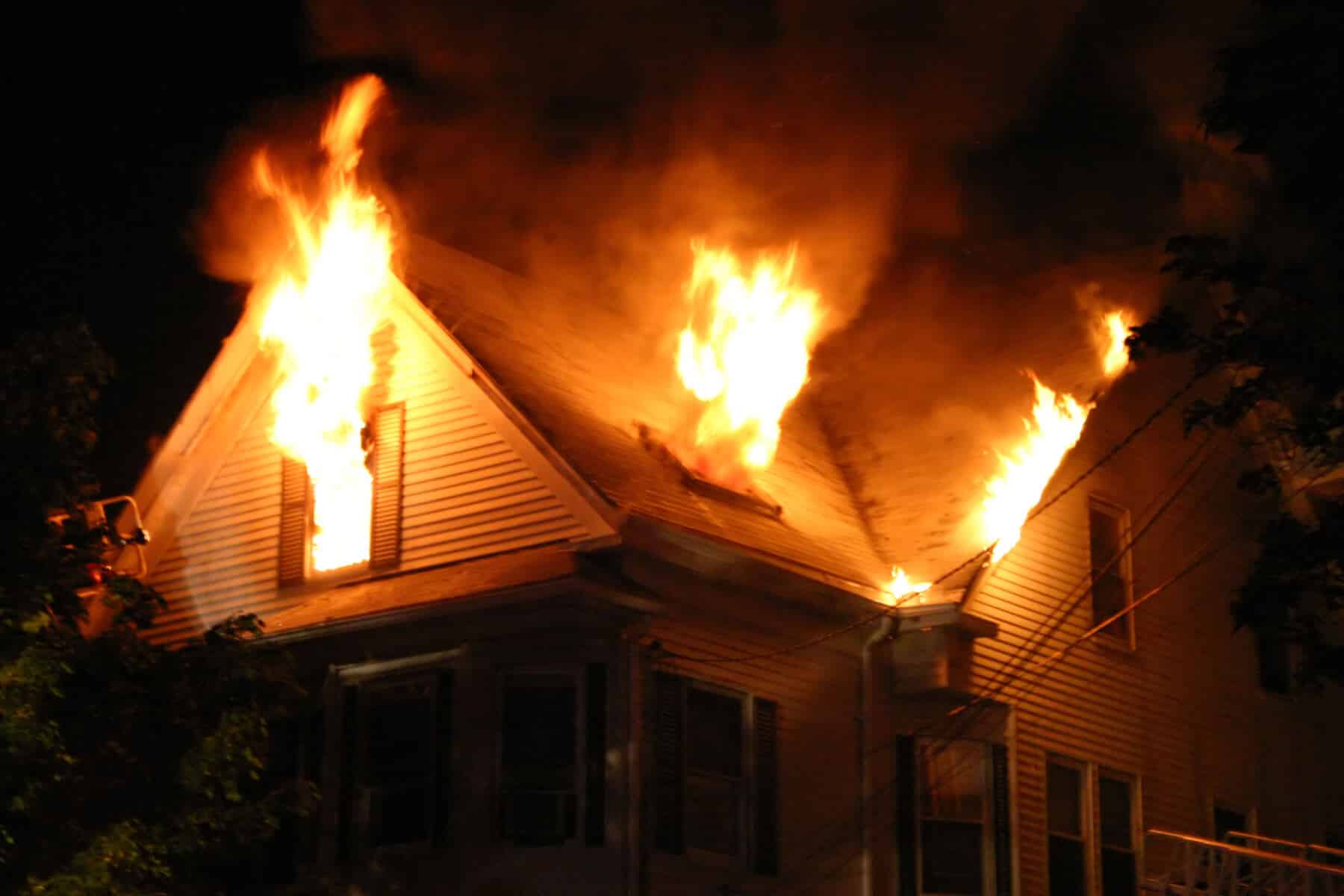
U.S. fire departments responded to a fire every 23 seconds during 2023. (1) The National Fire Protection Association (NFPA) notes, “A home structure fire was reported every 95 seconds, while a home fire death occurred every three hours, and a home fire injury occurred every 52 minutes.” (2)
Of the 1.39 million estimated fires in the U.S. during 2023, there were 3,670 civilian deaths and 13,350 injuries. Property damage was estimated at $23 billion. (3)
Additionally, “Nearly one-quarter of the fires (24 percent) occurred in home properties, including one- or two-family homes and apartments or other multifamily housing, yet these fires caused more than three-quarters of the civilian fire deaths (79 percent) and injuries (77 percent).” (4)
New York City Fires
In a 2024 New York City Mayor’s Management Report, the Fire Department indicated there were 19,544 structural residential fires, 4,465 structural nonresidential fires, and 12,260 nonstructural fires for the year. (5)
Of those fires, 1,959 were classified as serious fires and were alarm levels of “All Hands” or above. (6)
Fire incidents were further broken down in terms of response: (7)
- 161 were multiple alarm fires.
- 8% were second alarm or higher.
- 735 had non-life threatening fire scene injuries.
- 52 had life-threatening fire scene injuries.
- 74 were civilian fire fatalities.
Additionally, as reported to the NYC Housing and Building Committee: (8)
- 130 were two-alarm.
- 40 were three-alarm.
- 15 were four-alarm.
- 10 were five-alarm.
Alarming statistics like these raise questions about the different types, classifications, and causes of fires.
If you or a loved one were injured in a fire accident, contact us for a free case evaluation.
Get a Free Case ReviewTypes and Classifications of Fires
There are many types of fires, including:
- Building.
- Workplace.
- Vehicle.
- Defective product.
- Electrical accident.
For tracking purposes, fires are often classified by where they occur (9): residential, nonresidential, and vehicle/outside.
Causes of Residential Fires
The U.S. Fire Administration (USFA) tracks fire trends nationwide. The 2023 estimates are 344,600 residential fires 2,890 deaths and 10,400 residential fire injuries. (10)
Among the common causes of these residential fires are: (11)
- Cooking.
- Electrical malfunction.
- Equipment failure/incorrect operation.
- Heating.
- Open flame.
- Smoking.
- Unintentional/careless.
Cooking (48.7%) was the leading cause of residential fires in 2023. Other top causes were unintentional/carelessness (9.2%), heating (8.1%), and electrical malfunction (6.9%), according to the U.S. Fire Administration. (12)
Overall U.S. home fire fatalities has reached 1,099 in the first part of 2025. (13)
Causes of Nonresidential Fires
USFA’s 2023 estimates for nonresidential fires was 110,000.
Among the leading causes for these fires were: (14)
- Cooking — 30.3%.
- Unintentional/careless — 12.6%.
- Electrical malfunction — 6.7%.
- Heating — 5.9%.
Causes of Vehicle and Outside Fires
USFA also estimated 48.4% of nonresidential fires were outside fires and 13.1% were vehicles. (15) The causes of a both the vehicle and outside fires are numerous.
Vehicle fires were due to electrical issues, leaking fluids, mechanical failures, overheating engines, and cigarettes. (16)
Meanwhile, outside fires are caused primarily by human impact. That is, poorly maintained or operated vehicles, unattended campfires, debris and mulch pile burns, and smoking. (17)
The Cause of a Fire Matters
The cause of a fire helps determine who bears legal responsibility for damage from the fire. In short, who has to pay.
For example, say you are driving a new car you purchased only two months ago. The engine catches fire and it causes you to have an accident.
Manufacturers can be held accountable for damage and injury from fires caused when their products malfunction during ordinary use or are defective. The manufacturer of the car likely has to pay for the damages, since you have not owned it for very long it is unlikely it failed due to a lack of regular maintenance.
As another example, let’s say your job as an electrician for a utility company requires you to work with electrical wires. Your supervisor is supposed to warn you when those wires are live.
One day, an electrical fire breaks out from wires you were not told were live. You are badly burned. Your injuries are so severe you cannot go back to your job. In this scenario, your company has to pay you compensation for your injuries, since they did not provide adequate supervision by warning you of the live wire danger.
No matter the causes of a fire, injuries can be serious, even fatal.
Common Fire Accident Injuries
Fire injuries are some of the most damaging and painful injuries. Recovery is often long and expensive, involving multiple treatments over many years.
The most common injuries from fires are:
- Burn injuries — These injuries are caused by contact with heat or flames from a fire or explosion. Burn injuries are classified as first through fourth degree based upon the number of layers of skin affected. Another factor is whether or not underlying bone and tissues are damaged. (18)
- Inhalation injuries or lung damage — “Smoke inhalation injuries occur when a patient’s respiratory system is exposed to direct heat from fire as well as toxic chemicals that are formed from the decomposition of materials during combustion.” (19)
- Death — “The leading cause of death from fire injuries remains respiratory failure, and smoke inhalation injuries affect one-third of all burn injury victims,” according to one study. (20)
Are you suffering from an injury caused by a fire accident? You may be eligible for compensation.
(917) LAWYERSLegal Options
If you have suffered serious injuries from a fire accident, you have legal options. An experienced attorney can help you explore those options and take the necessary steps to help you gain compensation for your suffering.
Fire accident injury cases can fall under negligence — a failure to “behave with the level of care that a reasonable person would have exercised under the same circumstances.” (21)
Negligence can refer to the actions of a person or business, but it can also refer to their failure to act. (22)
Examples of Negligence
Landlords may be negligent in properly maintaining their property, equipment, electrical wiring, or smoke alarms. Another instance of negligence might be if you live in an apartment building without proper fire escape routes or fire extinguishers available.
An employer can also be negligent. Suppose your employer knows chemicals are being improperly stored in their plant, and these chemicals pose a fire hazard. Your employer has had plenty of time to correct the problem, but takes no action to do so, or inadequate corrections were made. Then a fire occurs.
Negligence cases can be complex, requiring significant knowledge and experience to achieve your best possible outcome. Our personal injury attorneys have the experience needed to guide you through the legal process, help with insurance claims, negotiate your settlement, or represent you in court.
How W&L Can Help
Our firm has a committed team of attorneys who represent our clients’ interests in a wide range of negligence cases.
Here are two of our cases:
- W&L recovered $10 million for a boy blinded in one eye by a too short, negligently designed, bungee cord brake system.
- W&L negotiated a multimillion dollar settlement for a man who suffered a traumatic brain injury in a fall from a second floor apartment building walkway lacking fencing or a parapet.
Updated July 2025