Mesothelioma is a rare cancer caused by asbestos exposure. It causes malignant (cancerous) cells to form abnormally in the mesothelium and divide without control or order. They can invade and damage nearby tissues and organs. Mesothelioma cancer cells can also metastasize (spread) from their original site to other parts of the body. Most cases of mesothelioma cancer begin in the pleura (lining of the lungs) or peritoneum (lining of the abdomen).
Diagnosed with mesothelioma after being exposed to asbestos? Explore your legal options with a free consultation.
Get a Free Case ReviewHear From Our Clients
Weitz & Luxenberg has been incredibly helpful and informative. 10/10 Would recommend!”
A.M., via Google Reviews
The mesothelium is the membrane that covers and protects most of the internal organs of the body. It is composed of two layers of cells: one layer immediately surrounds the organ; the other forms a sac around it. The mesothelium produces a lubricating fluid that is released between these layers, allowing moving organs (such as the beating heart and the expanding and contracting lungs) to glide easily against adjacent structures. The mesothelium has different names, depending on its location in the body. The peritoneum is the mesothelial tissue that covers most of the organs in the abdominal cavity. The pleura is the membrane that surrounds the lungs and lines the wall of the chest cavity. The pericardium covers and protects the heart. The mesothelial tissue surrounding the male internal reproductive organs is called the tunica vaginalis testis. The tunica serosa uteri covers the internal reproductive organs in women.
Although reported incidence rates have increased in the past 20 years, mesothelioma cancer is still relatively rare. About 3,000 new cases of mesothelioma cancer are diagnosed in the United States each year. Mesothelioma cancer occurs more often in men than in women and risk increases with age, but this disease can appear in either men or women at any age.
Exposure to asbestos is the only real cause of mesothelioma. A history of asbestos exposure at work is reported in about 70 percent to 80 percent of all cases. However, mesothelioma has been reported in some individuals who almost certainly had asbestos exposure, but were unable to recall their exposure to asbestos. Smoking does not increase the risk of mesothelioma. However, the combination of smoking and asbestos exposure significantly increases a person’s risk of developing lung cancer.
Asbestos is the name of a group of minerals that occur naturally as masses of strong, flexible fibers that can be separated and used commercially. Asbestos has been widely used in many industrial products, including cement, brake linings, roof shingles, flooring products, textiles, and insulation. If tiny asbestos fibers float in the air, especially in work environments, they may be inhaled or swallowed. This can cause serious health problems. In addition to mesothelioma, exposure to asbestos causes lung cancer, asbestosis (a noncancerous, chronic lung ailment), and certain other cancers.
Asbestos has been mined and used commercially since the late 1800s. Its use greatly increased during World War II. Since the early 1940s, millions of American workers have been exposed to asbestos dust. An increased risk of developing mesothelioma was found among insulators, shipyard workers, people who work in asbestos mines and mills, producers of asbestos products, workers in the heating and construction industries, and other tradespeople.
The risk of asbestos-related disease increases with heavier exposure to asbestos and longer exposure time. However, some individuals with only brief exposures have developed mesothelioma. On the other hand, not all workers who are heavily exposed develop asbestos-related diseases.
Family members and others living with asbestos workers have an increased risk of developing mesothelioma, and other asbestos-related diseases. This risk is the result of exposure to asbestos dust brought home on the clothing and hair of asbestos workers.
Were you or a loved one diagnosed with mesothelioma? Call for a free legal consultation.
(917) LAWYERSSymptoms of mesothelioma may not appear until 30 to 50 years after exposure to asbestos. Shortness of breath and pain in the chest due to an accumulation of fluid in the pleura are often symptoms of pleural mesothelioma. Symptoms of peritoneal mesothelioma include weight loss and abdominal pain and swelling due to a buildup of fluid in the abdomen. Other symptoms of peritoneal mesothelioma may include bowel obstruction, blood clotting abnormalities, anemia, and fever. If the cancer has spread beyond the mesothelium to other parts of the body, symptoms may include pain, trouble swallowing, or swelling of the neck or face.
These symptoms may be caused by mesothelioma or by other, less serious conditions. It is important to see a doctor about any of these symptoms. Only a doctor can make a diagnosis.
Diagnosis begins with a review of the patient’s symptoms and medical history, including any history of asbestos exposure. A complete physical examination may be performed, including x-rays of the chest or abdomen and lung function tests. A CT (or CAT) scan or an MRI may also be useful. A CT scan is a series of detailed pictures of areas inside the body created by a computer linked to an x-ray machine. In an MRI, a powerful magnet linked to a computer is used to make detailed pictures of areas inside the body.
A biopsy is needed to confirm a diagnosis of mesothelioma. In a biopsy, a surgeon or a medical oncologist (a doctor who specializes in diagnosing and treating cancer) removes a sample of tissue for examination under a microscope by a pathologist. A biopsy may be done in different ways, depending on where the abnormal area is located. If the cancer is in the chest, the doctor may perform a thoracoscopy. In this procedure, the doctor makes a small cut through the chest wall and puts a thin, lighted tube called a thoracoscope into the chest between two ribs. Thoracoscopy allows the doctor to look inside the chest and obtain tissue samples. If the cancer is in the abdomen, the doctor may perform a peritoneoscopy. To obtain tissue for examination, the doctor makes a small opening in the abdomen and inserts a special instrument called a peritoneoscope into the abdominal cavity. If these procedures do not yield enough tissue, more extensive diagnostic surgery may be necessary.
If the diagnosis is mesothelioma, the doctor will want to learn the stage (or extent) of the disease. Staging involves more tests in a careful attempt to find out whether the cancer has spread and, if so, to which parts of the body. Knowing the stage of the disease helps the doctor plan treatment.
Mesothelioma is described as localized if the cancer is found only on the membrane surface where it originated. It is classified as advanced if it has spread beyond the original membrane surface to other parts of the body, such as the lymph nodes, lungs, chest wall, or abdominal organs.
Treatment for mesothelioma depends on the location of the cancer, the stage of the disease, and the patient’s age and general health. Standard treatment options include surgery, radiation therapy, and chemotherapy. Sometimes, these treatments are combined.
Surgery is a common treatment for mesothelioma. The doctor may remove part of the lining of the chest or abdomen and some of the tissue around it. For cancer of the pleura (pleural mesothelioma), a lung may be removed in an operation called a pneumonectomy. Sometimes part of the diaphragm, the muscle below the lungs that helps with breathing, is also removed.
Radiation therapy, also called radiotherapy, involves the use of high-energy rays to kill cancer cells and shrink tumors. Radiation therapy affects the cancer cells only in the treated area. The radiation may come from a machine (external radiation) or from putting materials that produce radiation through thin plastic tubes into the area where the cancer cells are found (internal radiation therapy).
Chemotherapy is the use of anticancer drugs to kill cancer cells throughout the body. Most drugs used to treat mesothelioma are given by injection into a vein (intravenous, or IV). Doctors are also studying the effectiveness of putting chemotherapy directly into the chest or abdomen (intracavitary chemotherapy). To relieve symptoms and control pain, the doctor may use a needle or a thin tube to drain fluid that has built up in the chest or abdomen. The procedure for removing fluid from the chest is called thoracentesis. Removal of fluid from the abdomen is called paracentesis. Drugs may be given through a tube in the chest to prevent more fluid from accumulating. Radiation therapy and surgery may also be helpful in relieving symptoms.
Yes. Because mesothelioma is very hard to control, the National Cancer Institute (NCI) is sponsoring clinical trials (research studies with people) that are designed to find new treatments and better ways to use current treatments. Before any new treatment can be recommended for general use, doctors conduct clinical trials to find out whether the treatment is safe for patients and effective against the disease. Participation in clinical trials is an important treatment option for many patients with mesothelioma.
People interested in taking part in a clinical trial should talk with their doctor. Information about clinical trials is available from the Cancer Information Service (CIS) (see below) at 1–800–4–CANCER. Information specialists at the CIS use PDQ®, NCI’s cancer information database, to identify and provide detailed information about specific ongoing clinical trials. Patients also have the option of searching for clinical trials on their own. The clinical trials page on the National Cancer Institute’s website provides general information about clinical trials and links to PDQ.
People considering clinical trials may be interested in the NCI booklet Taking Part in Clinical Trials: What Cancer Patients Need To Know. This booklet describes how research studies are carried out and explains their possible benefits and risks.
Weitz & Luxenberg is a leading plaintiffs’ law firm that has represented people affected by mesothelioma for nearly 40 years. Men and women diagnosed with mesothelioma or lung cancer caused by asbestos exposure may be entitled to compensation from the companies responsible for their disease.
If you need assistance, please complete the form on this page for a free legal review of your asbestos case and a mesothelioma lawyer will contact you as soon as possible.
For questions about mesothelioma compensation anywhere in the U.S., please call (917) LAWYERS.
Pleural mesothelioma is a rare cancer caused by breathing in microscopic asbestos fibers, usually in the workplace. Doctors diagnose about 3,000 new cases of pleural mesothelioma each year in the U.S.(1) Few cases of mesothelioma were diagnosed prior to the start of widespread asbestos use more than a century ago.
Asbestos was widely used in thousands of commercial products and became a staple of construction and general industries in the U.S. beginning in the late 1800s. Many people who are being diagnosed with pleural mesothelioma today were exposed to asbestos while serving in the military or in their jobs prior to the 1970s, when the health consequences of asbestos exposure led the U.S. Occupational Safety and Health Administration (OSHA) to impose severe restrictions on exposures.

People continue to be at risk of developing the disease because activities such as brake relining and renovations of old buildings can disturb asbestos-containing materials and release toxic fibers into the air, endangering anyone who inhales them. People who haven’t worked directly with asbestos but have been exposed to its toxic fibers through washing, cleaning, or touching asbestos-contaminated work clothes can also develop mesothelioma.
Diagnosed with mesothelioma after being exposed to asbestos? Explore your legal options with a free consultation.
Get a Free Case ReviewSadly, there is no cure for pleural mesothelioma, and the risk of developing the disease does not go away over time after a person is no longer exposed to asbestos.(2) The disease has a lengthy latency period, meaning decades may pass between being exposed to asbestos and the onset of symptoms.(3) The average age at the time of diagnosis for pleural mesothelioma is 72.(4)
Pleural mesothelioma develops in the pleura, which are thin sheets of tissue that help protect the lungs. An inner layer of tissue called the visceral pleura lines the lungs; an outer layer called the parietal pleura lines the chest wall and the diaphragm.
Between the two layers is the pleural cavity, or the pleural space. A small amount of lubricating fluid within the pleural space allows the two layers of pleura to slide over each other easily and move smoothly against the chest wall when the lungs expand and contract as a person breathes.(5)
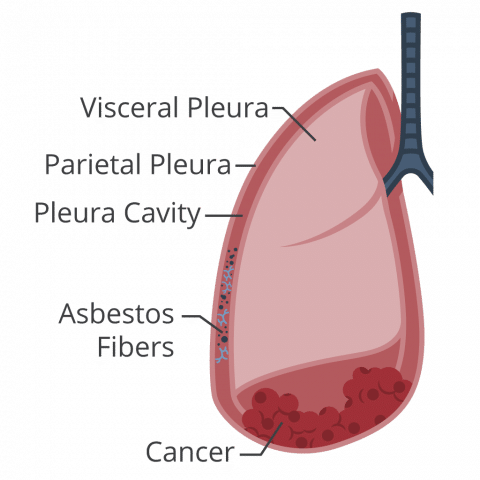
However, when a person inhales asbestos fibers, the fibers can become stuck in both the inner and outer pleura and can trigger a toxic process that takes 10 to 50 or more years to cause cancer.
The body cannot rid the pleura of all the asbestos fibers and, over time, these fibers can cause irritation, inflammation, and scarring.(6) The fibers can also cause cells to mutate and multiply uncontrollably, creating tumors. The cancer that can form as a result is known as pleural mesothelioma.
The deadly disease causes fluid to accumulate between the layers of the pleura which presses on the lungs, preventing them from expanding and contracting normally. This makes it hard to breathe — one of the many symptoms of the disease.(6)
Symptoms of mesothelioma often do not appear right away. When people with mesothelioma finally do experience symptoms, the disease usually is in later stages.(7)
Symptoms of pleural mesothelioma include:
Many diseases of the lungs and respiratory system have similar symptoms. This makes diagnosing pleural mesothelioma critically important.
While there is no one single test to specifically diagnose the disease, doctors rely on a number of ways to determine if someone has pleural mesothelioma.
To start, a doctor may perform a physical exam, checking a patient’s general health and looking for signs of disease. The doctor may also ask questions about exposure to asbestos.
In addition to a physical exam, a doctor may use other tests to assist in the diagnosis of mesothelioma, including:


If a doctor reaches a pleural mesothelioma diagnosis, the next step is to determine the stage (or extent) of the cancer.
Were you or a loved one diagnosed with mesothelioma? Call for a free legal consultation.
(917) LAWYERSDoctors determine the stage of pleural mesothelioma based on the results of physical exams, biopsies, and imaging tests, including CT scans and Positron Emission Tomography (PET) scans.
Sadly, by the time doctors diagnose pleural mesothelioma, the cancer is usually in an advanced stage. The stages are numbered I through IV, with IV being the most advanced.
If a mesothelioma case is classified Stage I, it means the cancer has grown into the pleura lining the chest wall on one side of the chest. The cancer in this stage has not spread to the lymph nodes or other organs.
Stage II means the cancer has spread into the diaphragm or the lung itself, but it has not spread to the lymph nodes or other organs.
If pleural mesothelioma is classified Stage III, it may have spread to lymph nodes on the same side of the tumor, but it has not spread to other organs.
Stage IV is the most advanced stage of pleural mesothelioma. If pleural mesothelioma is classified Stage IV, it may have spread to lymph nodes and other organs.(10)
The stages of people’s cancers affect the treatment options available to them. To date, pleural mesothelioma treatments have not led to a cure. Treatments currently are done to reduce symptoms and help extend life.
Many doctors lack extensive experience in treating pleural mesothelioma because it is so rare. Doctors may instead refer you to specialists who are more accustomed to treating symptoms of the disease.
Weitz & Luxenberg does not provide medical advice, and the decision of which treatment options are best in any given situation is a matter between a patient and his or her doctors.
Standard treatment options for pleural mesothelioma patients include surgery, radiation therapy, chemotherapy, and targeted therapy. Clinical trials are also testing new types of treatment.(11)
Pleural mesothelioma treatment can be very costly. Mesothelioma may also cause immense pain and suffering, only to end in death. With the help of a skilled mesothelioma lawyer, victims of pleural mesothelioma and their surviving loved ones may be able to receive compensation from the companies responsible for the asbestos exposure.
Several avenues exist for seeking compensation for injuries caused by asbestos exposure. Victims may choose to file a personal injury or wrongful death lawsuit and/or file a claim against a bankruptcy trust. An experienced mesothelioma lawyer will be able to explain your legal options and help determine your best course of action for achieving justice.
A nationally recognized leader in asbestos litigation, Weitz & Luxenberg has secured more than $13 billion on behalf of asbestos clients, some of whom tragically suffered from pleural mesothelioma.* Members of our compassionate team of more than 500 lawyers, paralegals, and support staff are available 24/7 to help victims navigate this incredibly challenging time in their lives.
Our attorneys work tirelessly to ensure our clients receive fair compensation for the injuries caused by negligent companies, so that pleural mesothelioma victims and their families may have financial security and achieve some closure.
To request legal help today, call (917) LAWYERS or fill out a form to speak with one of our team members at no charge.
A layer of specialized cells coats the inside of your chest, abdomen, and the space around your heart, as well as the outer surface of most of your internal organs. These cells form a lining known as the mesothelium. The mesothelium helps protect your organs by creating a special lubricating fluid that reduces friction when organs move against each other.
The lining has different names depending on where it is in the body: it is called pleura when it lines the lungs; peritoneum when it lines the abdominal cavity and covers the abdominal organs; pericardium when it coats the heart; and tunica vaginalis when it covers the testicles.
Diagnosed with mesothelioma after being exposed to asbestos? Explore your legal options.
Get a Free Case ReviewHear From Our Clients
These attorneys are top-notch aces in my book. We just started working with them, and so far they’re on the ball and we feel very comfortable and confident that the outcome is going to be in our favor.”
J., via Google Reviews
If the cells start to grow out of control, they can form tumors. Tumors can start in any of these linings. Cancer that starts in these linings is called mesothelioma.

Pleural mesothelioma
Cancer of the lining of the lungs.

Peritoneal mesothelioma
Cancer of the lining of the abdominal cavity.

Pericardial mesothelioma
Cancer of the covering around the heart.

Testicular mesothelioma
Cancer of the covering of the testicles.(1)
Mesothelioma is caused by asbestos exposure, usually in the workplace. Many of our mesothelioma clients worked around asbestos dust and inhaled asbestos fibers.
However, many mesothelioma clients were exposed to asbestos at home from activities such as laundering asbestos-laden clothing or were exposed to asbestos from the use of talcum powder.
If you have been diagnosed with any form of mesothelioma, you should reflect on your work background to see if there is a connection to when you worked with or around asbestos-containing products and equipment. If you can fairly trace your mesothelioma to a company’s asbestos products, then you may be able to receive compensation through filing a mesothelioma claim.
Our dedicated attorneys at Weitz & Luxenberg have an extensive knowledge of worksites across the U.S. as they have handled more than 33,000 asbestos cases. We investigate each case, pinpointing where people inhaled asbestos, what products released the asbestos fibers, and what company needs to be held accountable.
All types of mesothelioma are aggressive, incurable cancers. Doctors diagnose 3,000 new cases in the U.S. each year, many of which can be traced to job-related asbestos exposure.(2) (3) The risk of developing mesothelioma remains long after exposure to asbestos stops. In fact, signs and symptoms of the disease typically do not appear until one to five decades or more after first asbestos exposure.(4)
When symptoms do emerge, people may mistake the signs of mesothelioma for common conditions.”
When symptoms do emerge, people may mistake the signs of mesothelioma for common conditions.(5) As a result, by the time a pathologist can make a definitive diagnosis, the disease is often in an advanced stage. Treatment options today aim to help relieve symptoms of the disease, which vary based on mesothelioma type.
Pleural mesothelioma accounts for about three out of four — or 75% — of mesothelioma diagnoses, making it the most common type of the disease. This type of mesothelioma starts in the chest.(6)
When a person breathes in asbestos fibers, the fibers become lodged deep in the lungs and collect near the lining of the lungs, irritating the lining and causing inflammation.
The fibers can trigger cells to grow uncontrollably to form tumors. Pleural mesothelioma can cause fluid to build up around the lungs, among other serious complications.(7)
People with pleural mesothelioma may not experience or notice symptoms until this type of cancer has progressed.
Sometimes people who inhale asbestos will cough up and swallow asbestos fibers. Inhaled fibers are also capable of migrating to the abdominal cavity. In these cases, a person may develop peritoneal mesothelioma, which forms on the lining of the abdominal cavity.(9)
Peritoneal mesothelioma represents about 10% to 20% of all mesothelioma diagnoses and is the second most common type of the disease.(10)
Symptoms of peritoneal mesothelioma range from abdominal pain to small bowel obstruction, which usually indicates that the cancer is in an advanced stage.(11)

Pericardial mesothelioma is the most difficult form of mesothelioma to diagnose. It develops in the covering around the heart, known as the pericardium, and is a very rare form of the disease. Pericardial mesothelioma accounts for less than 1% of all mesothelioma cases.(13) (14)
Warning signs of pericardial mesothelioma can be similar to those of other heart conditions.

Testicular mesothelioma is difficult to diagnose because it is especially rare.(16)
This cancer develops in the membrane that lines the testes. It accounts for less than 1% of all mesothelioma diagnoses and only about 100 cases have been reported.(17)
With so few cases of this type of cancer, researchers have not definitively linked it to specific symptoms. Some people with the disease have reported swelling and/or fluid in one or both testicles.(18)
Another way doctors may describe mesothelioma is by cell type or how the cancer cells are arranged.

Weitz & Luxenberg is a nationally recognized leader in asbestos litigation. For almost four decades, our attorneys have helped mesothelioma victims and their loved ones obtain the compensation they deserve.
We have the resources and experience necessary to hold asbestos companies accountable for neglecting to protect the health and safety of their employees and end-users of their products.
For a free legal consultation, please call (917) LAWYERS or fill out a form to speak with one of our dedicated mesothelioma lawyers.
The U.S. Department of Health and Human Services, the U.S. Environmental Protection Agency, and the World Health Organization are among the numerous health agencies that have classified asbestos as a human carcinogen or cancer-causing substance.(1) (2)
The toxic group of minerals once widely used in thousands of commercial products forms as microscopic fibers. When asbestos-containing materials deteriorate, are disturbed or manipulated, the fibers are released into the air.
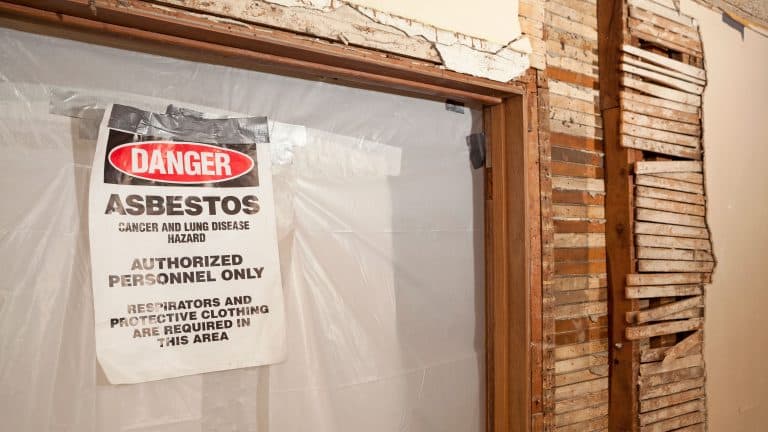
Once inhaled, these fibers can get stuck deep in your lungs. The buildup of fibers remains in your lung tissue for a long time and may cause scarring and inflammation. This can lead to deadly diseases.(3)
Unfortunately, the dangers of asbestos do not disappear once the exposure stops. Asbestos-related diseases develop slowly over time. The symptoms, such as pain, fatigue, and shortness of breath, may not arise until 10 to 50 or more years after a person’s first contact with asbestos. Even then, these diseases can be hard to detect because the signs often mirror those of less severe illnesses.(4) By the time a doctor diagnoses an asbestos-related disease, it is often at a late stage of development.
To date, no treatments have reversed or cured the most deadly effects of asbestos, mesothelioma, though some aim to help relieve symptoms. These treatments or treatments for lung cancer and asbestosis can be expensive, debilitating, and a burden on victims and their loved ones already coping with life-altering illness. In addition, asbestos-related diseases may cause fear, anxiety, depression, and stress.(5)
Asbestos-related diseases can be cancerous or noncancerous. Even a benign asbestos illness, such as asbestosis, can be extremely serious, contributing to more than a thousand U.S. deaths each year.
Have you or your loved one suffered complications due to asbestos exposure? We offer a free legal consultation.
Get a Free Case ReviewMesothelioma is known as the signature asbestos-related cancer. It is also the most deadly asbestos-related disease.
An aggressive cancer, mesothelioma develops on the thin protective linings of the chest, abdomen, heart, or testicles. Doctors diagnose an estimated 3,000 new cases of mesothelioma in the U.S. each year, many of which can be traced to job-related asbestos exposure.(6)
Pleural Mesothelioma (lungs)
Peritoneal Mesothelioma (abdomen)
Pericardial Mesothelioma (heart)
Testicular Mesothelioma
While each type of mesothelioma may yield different symptoms, patients — regardless of their specific diagnosis — may experience pain and unexplained weight loss.(7)
The U.S. Department of Labor has warned of a clear connection between asbestos exposure and lung cancer, which is the leading cause of cancer death in the U.S.(8)
Of the more than 200,000 new lung cancer cases each year, as much as 15% are caused by occupational exposures to carcinogens, including asbestos.(9)

Symptoms of lung cancer may include shortness of breath, fatigue, chest pain, worsening or ongoing cough, and weight loss.(11)
Asbestosis is a chronic lung condition caused exclusively by inhaled asbestos fibers that become lodged in the lungs. Scar tissue forms inside the lungs, preventing them from expanding and contracting normally.(12)
This makes breathing difficult and painful. The disease is progressive, some people with asbestosis eventually die of respiratory failure.(13)
Symptoms include shortness of breath with activity, tightness in the chest, and coughing.(14)
Globally, “asbestos causes an estimated 255,000 deaths annually.” Of these deaths, “work-related exposures are responsible for 233,000” of them. (15)

Asbestos causes almost 40,000 deaths each year in the United States. (16) The total number of asbestos-associated deaths in the U.S. is estimated to potentially exceed 200,000 by the year 2030.(17)
Normally, the risk of asbestos-related diseases is said to be greatest for people who have worked with asbestos and were exposed to visible dust containing asbestos fibers for some time.(18) However, investigators have found people with only brief exposures have developed asbestos-related diseases.(19)
Those at risk for asbestos exposure in the workplace include miners, building construction workers, brake mechanics, electricians, shipyard workers, boiler operators, building engineers, and railroad workers. In addition, veterans may have encountered asbestos while serving in the U.S. military. Family members of people exposed to asbestos on the job also may be at risk of asbestos diseases from inhaling asbestos fibers brought home on workers’ clothing.(20)
If you were exposed to asbestos and have been diagnosed with mesothelioma, lung cancer, or asbestosis, you may be eligible for compensation for your pain and suffering. Putting your trust in a reputable asbestos attorney can be a great benefit when seeking compensation for your asbestos-related injuries.
Weitz & Luxenberg has earned national acclaim for our pioneering work in asbestos litigation. For almost 40 years, we have provided caring and expert representation to those affected by asbestos-related diseases — both patients and their surviving loved ones.
Our attorneys are committed to helping each victim achieve the justice he or she deserves. We will stand behind you and help you through this scary and difficult time.
Hear From Our Clients
Weitz & Luxemburg have always helped me, and call me every time I send a text and ask. Great advice and amazing to work with.”
M.E., via Google Reviews
For a free legal consultation call (917) LAWYERS or fill out a form to speak with one of our dedicated asbestos attorneys.
Asbestos refers to a group of minerals that occur naturally in certain rocks as bundles of fibers. Left alone, asbestos fibers pose little risk. However, when released into the air through work-related or other activities, the microscopic fibers can be lethal.
In fact, top health agencies classify asbestos as a human carcinogen or cancer-causing substance. Asbestos exposure causes mesothelioma, lung cancer, asbestosis, and other serious ailments. Symptoms of the diseases typically do not appear until decades after a person is first exposed to asbestos.
Sadly, many people who worked with and around asbestos-containing products and equipment were unaware of the dangers.”
Makers and marketers of these products, however, knew of the potential dangers, some as early as the 1930s.
Wide use of asbestos declined dramatically in the 1970s, when the health consequences of asbestos exposure led the U.S. Occupational Safety and Health Administration (OSHA) to impose severe restrictions on exposures. Still, asbestos is present in products today. Some companies in the U.S. continue to bring asbestos into the country, and the toxic substance exists in older buildings, schools, and homes. Anyone who inhales airborne asbestos fibers is at risk of developing serious health complications.
Diagnosed with mesothelioma or another asbestos-related disease? We offer a free legal consultation.
Get a Free Case Review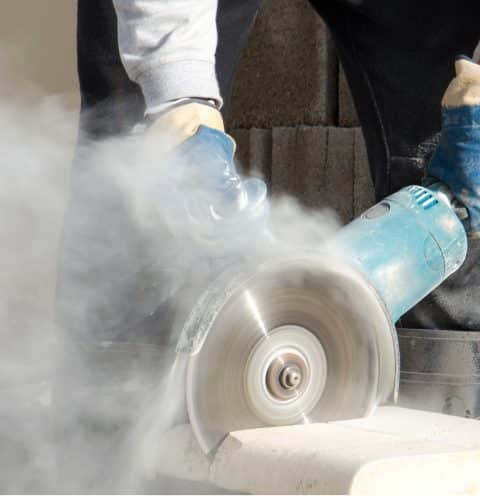
Any activity that causes release of asbestos fibers in the air, such as from the cutting, drilling, scoring, or sanding of asbestos products, is dangerous. Asbestos fibers can also become airborne when people demolish or renovate older buildings, or when older asbestos-containing materials begin to deteriorate.(6)
In each of these cases, asbestos fibers create a dust made of microscopic particles that can hover in the air. When inhaled, these fibers can become lodged in your lungs and remain there for a long time, causing the lung tissue to scar and become damaged. Asbestos can also cause scarring in the protective lining of the lungs and chest cavity, known as pleura.(7) (8)
Over time, chronic lung tissue scarring caused by asbestos exposure, known as asbestosis, can lead to reduced respiratory function and death. Breathing in asbestos fibers also increases the risk of lung cancer and mesothelioma, two deadly diseases.(9)
Asbestosis is a chronic lung condition that kills about 1,451 Americans each year.(10) With a latency period of at least several years, the disease progresses over time and can make it very hard to breathe.(11) Some patients need extra oxygen to help them live; others may need a lung transplant.(12)
Lung cancer is a malignant tumor that invades the lungs. Numerous studies of asbestos-exposed workers link asbestos fibers to an increased risk of lung cancer. Often, cases of lung cancer in asbestos workers occur at least a decade after first exposure to asbestos.(13) An estimated 8,500 to 10,600 Americans die each year from asbestos-related lung cancer.(14) The combination of smoking cigarettes and asbestos exposure is particularly hazardous.
Mesothelioma is an aggressive cancer of the lining of the lungs and other organs. It can take anywhere from one to five decades or more to develop. Sadly, the risk of mesothelioma does not diminish over time after exposure to asbestos stops.(15) An estimated 3,000 people are diagnosed with mesothelioma annually and nearly as many die from the disease each year.(16) (17)
In addition to the physical effects of asbestos-related diseases, victims may experience fear, stress, anxiety, and depression.

A child whose father brought asbestos fibers home on his clothing. A construction worker who is tasked with demolishing an older building where asbestos is present. An auto mechanic who works on asbestos-containing brake linings and clutch facings. These are all examples of instances where asbestos exposure is possible at the workplace or in the home.
Weitz & Luxenberg asbestos attorneys have represented retired brake specialists, shipyard workers, boilermakers, construction workers, and others exposed to asbestos from their jobs. In January 2017, our firm secured a $75 million verdict, the largest single asbestos verdict in New York, on behalf of a woman who developed mesothelioma after she was exposed to asbestos dust from her husband’s clothing.*
The global asbestos-exposure death toll is estimated at 255,000 people annually.(19) Several thousand people die from asbestos exposure in the home.(20)
At Weitz & Luxenberg, we understand how frustrating it can be to know your asbestos-related disease could be traced to exposure from your job. Many of our clients worked their whole lives just to spend their retirement years dying of a preventable disease. Our firm is committed to helping victims of asbestos exposure and their loved ones hold asbestos companies accountable for the pain and suffering they have caused.
If you were exposed to asbestos or your loved one died of an asbestos-related disease, we would be honored to help you seek the compensation you deserve. Attorneys at Weitz & Luxenberg provide compassionate and exceptional legal support to each of our clients, helping victims of asbestos exposure through a very difficult time.
Our firm’s deep knowledge of worksites across the U.S. has proven a tremendous benefit to our more than 44,000 asbestos clients. We have almost 40 years of experience successfully pinpointing the source of victims’ asbestos exposure.
Hear From Our Clients
My experience with Weitz & Luxenberg was great. The representative was very polite, she listened to me and explained the process thoroughly, and there was no wait time. I would definitely feel comfortable recommending anyone to this firm.”
K.P., via Google Reviews
To learn more about your legal options, call (917) LAWYERS or fill out a form online. Your consultation is free of charge.
Mesothelioma is a life-altering diagnosis. Victims of this asbestos cancer are forced to endure life- changing pain and suffering. Most suffer intense physical pain and loss of the most taken-for-granted of life’s pleasures, including the ability to breathe. Most suffer enormous mental and emotional anguish as they deal with mesothelioma’s effects on them and their family members.
Many mesothelioma victims endure often debilitating treatments such as chemotherapy and extensive surgeries.
Diagnosed with mesothelioma and need legal assistance? We can help.
Get a Free Case ReviewHear From Our Clients
They have been some of the greatest people that I have ever encountered. So professional, so on point, and willing to help with anything left messages for callbacks. I’m really glad that they’re handling my stuff. I know with them, I’m in good hands.”
A.R., via Google Reviews
At the time of their exposure to asbestos, decades before mesothelioma appears and is diagnosed, victims did not know they were at risk from their work with and around asbestos-containing products and equipment. The companies that manufactured and sold these products, however, knew, some as early as the 1930s.
Mesothelioma lawsuits are one way for mesothelioma cancer patients and their families to obtain compensation for the pain and suffering associated with this deadly disease. These lawsuits are also a way to gain financial security and to hold the responsible asbestos companies accountable for the devastating harm they caused.

Brake linings and clutch facings, floor tiles, ceiling tiles, roofing products, gaskets, packing materials, joint compounds, insulation in schools, commercial buildings and equipment such as boilers, valves, and pumps — all were made with asbestos in the past. While the once widely used material has status as being heat-resistant and very versatile, it also can release tiny fibers when manipulated or disturbed, endangering anyone who inhales them.(1)
Brake linings and clutch facings, floor tiles, ceiling tiles, roofing products, gaskets, packing materials, joint compounds, insulation in schools, commercial buildings and equipment such as boilers, valves, and pumps — all were made with asbestos in the past.”
People who were exposed to asbestos and who were diagnosed with an asbestos disease and are able to trace their illnesses to a company’s negligence may be able to get compensation for their pain and suffering — as well as other damages — through personal injury mesothelioma lawsuits. If a victim of asbestos-related disease initiates a lawsuit, but passes away before it is resolved, that person’s loved ones are able to take over the lawsuit by filing wrongful death lawsuits.
Whether you’ve been diagnosed with mesothelioma or your loved one was diagnosed with or died from the disease, it is best you explore the legal options available to you as soon as possible. Mesothelioma can develop anywhere from 10 to 50 years after asbestos exposure. Weitz & Luxenberg attorneys have extensive experience investigating the sources of such exposure.
Family members of asbestos workers also are at risk of developing asbestos-related diseases through clothing that was contaminated by toxic asbestos fibers and brought home for laundering.
Mesothelioma takes a lot from a person: your health, your money, your ability to do the things you love. Perhaps the most upsetting of all is that it takes your time.
A lawsuit should not monopolize what time you have left. Weitz & Luxenberg attorneys work to resolve cases as quickly as possible, handling the proceeding from beginning to end so you can concentrate on your health and your loved ones. If you are in poor health, we will try to expedite the entire legal process — even in the face of defendants who try to drag it out.
Everyone’s case is unique, but there are several steps that apply to most mesothelioma lawsuits. The right mesothelioma attorney will take on each of these steps for you and update you throughout the process.


Filing a civil action in court can be intimidating, especially when it’s against a big business. At Weitz & Luxenberg, we believe everyday people are as entitled to high-powered legal representation as large corporations. We offer free consultations, cover all expenses, and work on a contingency fee basis, meaning we don’t get paid or reimbursed by you for expenses unless and until we recover money on your behalf.
Were you or a loved one diagnosed with mesothelioma? Call for a free legal consultation.
(917) LAWYERSA mesothelioma lawsuit can be resolved in two ways: a trial verdict or a settlement. Most result in a settlement and never make it to trial. In either case, a trusted, reputable, and experienced mesothelioma lawyer will make sure you receive all the money to which you are entitled.

A mesothelioma settlement is an amount of money paid to a mesothelioma patient who has filed a personal injury lawsuit or to a mesothelioma victim’s surviving loved ones who have brought a wrongful death claim. In a settlement, you and the settling company reach a legally binding and enforceable contract through out-of-court negotiations between your lawyers and the defendants’ lawyers.
Mesothelioma lawsuits can also be resolved in court. A jury listens to testimony, looks at evidence, and considers arguments offered by your attorney and the defendants. Then it deliberates and reaches a verdict. If the jury finds the defendants liable for the harms you have suffered, it then decides how much money you should receive in compensation. A judge can accept the amount, increase, or decrease it.
Weitz & Luxenberg has handled more than 44,000 asbestos cases, winning victims $13 billion through verdicts and settlements. We would be honored to discuss with you the details of the legal process and to provide well-deserved support through a confusing, emotional time. For more information about your legal options, please contact our office at (917) LAWYERS or fill out a form to speak to one of our mesothelioma attorneys.
New York is the country’s fourth-most populated state. It’s also the fourth highest-ranking state in the U.S. for asbestos-related deaths.
An estimated 15,200 people died from asbestos-related diseases in New York between 1999 and 2017. Of those deaths, 2,830 — or roughly 18.6% — were attributed to the deadliest form of asbestos-related cancer, mesothelioma. (1)
Nassau County, a suburban county on Long Island, saw 1,403 asbestos-related deaths during that 18-year period — one of the highest ranking counties in all of New York. Erie and Suffolk counties ranked No. 1 and No. 3. All three counties have an average of close to 75 asbestos-related deaths per year. (2)
Queens County in New York City ranks No. 4; Kings County (Brooklyn) is No. 5; New York County is No. 9; and the Bronx is No. 11 on the list of New York counties poisoned with asbestos. (3)
Mesothelioma is known as the signature asbestos-related cancer. As an occupational disease, it is a preventable cancer, which makes it all the more tragic.
New York’s old shipyards, including the Brooklyn Navy Yard, are infamous for their asbestos-contamination problems.
Industrial workers who are most plagued by asbestos exposure are those who have spent years in shipyard repair, heating-systems repair, the construction and automobile industries, and the Navy.
For a free consultation and more information about your legal options, please contact us today.
Get Help NowSince being established in 1986, Weitz & Luxenberg has grown into an unparalleled legal force.
Our staff of top-notch lawyers is recognized coast-to-coast for winning multimillion-dollar verdicts and settlements for industrial workers diagnosed with occupational asbestos diseases, including mesothelioma, asbestosis, and asbestos-linked lung cancer. Some of our New York victories include:
Hear From Our Clients
Weitz & Luxenberg, these guys aren’t charlatans. They aren’t greedy. They’re humanitarians. Genuine humanitarians. They’re on a quest to help people. They really are. The help I received from Weitz & Luxenberg was incredible. And it came at a time when I needed it the most because of the very bad situation I was in, both in regards to my health and finances.”
Jim Kress

Every Weitz & Luxenberg asbestos lawyer is proud of the firm’s reputation for providing effective legal support for workers diagnosed with mesothelioma.
U.S. News & World Report and the peer-review publication Best Lawyers have recognized our firm as the national Law Firm of the Year in the category of Mass Tort Litigation/Class Actions – Plaintiffs. Weitz & Luxenberg attorneys are regularly lauded as Super Lawyers and Rising Stars of the New York Metro area. And our founding partners have each been named New York City “Lawyer of the Year.”






Long-term occupational asbestos exposure accounts for most cases of mesothelioma. Between 150 to 200 new cases of mesothelioma are diagnosed annually in New York. New York occupations at the highest risk of asbestos exposure include miners, factory workers — particularly of products involving insulation — ship builders, insulation installers, railroad and automotive mechanics, and construction workers. (4)
If you have already been exposed to asbestos, take steps to avoid further exposure. If you smoke, stop and avoid further environmental exposure to tobacco smoke. Avoid exposure to respiratory infections. If you develop symptoms — such as fever, chest pain, coughing, wheezing, difficulty breathing, stuffy nose, sneezing, sore throat, fatigue or weakness, or weight loss or gain — follow up with your doctor as soon as possible. (5)
W&L is committed to achieving the optimal outcome for your case. Our firm was founded on helping mesothelioma clients fight for justice. We will compassionately guide you through the complexities of the legal process. This means listening to your story, investigating, filing a lawsuit on your behalf, filing claims with asbestos trust funds, representing you in court and/or negotiating a settlement.
There is no set timeframe for resolving mesothelioma cases in New York. That being said, many New York mesothelioma cases have been resolved in as few as 12 to 18 months. Many factors contribute to the length and complexity of each case including the number of defendants (i.e. parties being sued), the length and amount of pain and suffering you have endured, your prior health, your age, your lifestyle, the number and types of asbestos products you were exposed to, and the length of your exposure. These are only some of the factors that will be considered in evaluating and prosecuting your case.
Updated February 2025
Mesothelioma is a diffuse tumor and typically does not develop as just one discrete cancerous growth. Instead, it often spreads along nearby surfaces, nerves, and blood vessels, making it hard to treat. Mesothelioma treatments to date have not led to a cure but are done to reduce symptoms and help extend life.
Weitz & Luxenberg does not provide medical advice, and the decision of which treatment options are best in any given situation is a matter between a patient and his or her doctors. When choosing treatment for mesothelioma, doctors will consider three main factors: the location and extent of the tumor, whether it has spread to lymph nodes or other organs, and a patient’s health and personal wishes.
Based on these factors, doctors may recommend using one or more of the four types of standard treatments. These include:

Mesothelioma cancer often advances quickly after onset and progress in prolonging survival has been slow. With support from Weitz & Luxenberg, researchers at the Vaccine & Immunotherapy Center (VIC) at Massachusetts General Hospital have been able to accelerate their mesothelioma cancer research, testing more treatments at a faster rate.
In addition to immunotherapy treatments, like those being investigated at the VIC, other emerging methods to treat mesothelioma include gene therapy and photodynamic therapy.(3)
Mesothelioma is a rare, asbestos-related cancer. Doctors diagnose only about 3,000 new cases each year.(4) For this reason, many doctors lack extensive experience in treating the disease and may refer you to specialists who are more familiar with treating mesothelioma patients.
Depending on the stage of your cancer and the treatment options available to you, you may have different types of doctors as part of your treatment team.
Other health professionals, including physician assistants, nurse practitioners, nurses, respiratory therapists, and social workers, may be involved in your treatment, too. Seeking a second opinion is recommended when possible. It’s also important to understand the likely benefits and possible risks associated with the different treatment options.(2)
Surgery is not likely to cure you of mesothelioma, but there’s a chance it could help you live longer. Doctors almost always recommend surgery for patients whose mesothelioma has not spread from its original site to other parts of the body. In instances of more advanced mesothelioma, doctors evaluate whether to pursue surgery on a case-by-case basis.(5) In general, patients whose mesothelioma can be operated on are likely to live longer than patients whose cancer has spread too far to be removed.(6)
Diagnosed with mesothelioma after being exposed to asbestos? Explore your legal options.
Get a Free Case ReviewSurgery to treat mesothelioma usually has one of two goals: to remove as much of the cancer as possible or to remove a portion of the cancer to relieve pain and other symptoms caused by the tumor.
Mesothelioma is classified by where it starts in the body. The location of a tumor can play a role in determining what type of surgery options, if any, are available to you. Unfortunately, with all types of mesothelioma, by the time you consider surgery, the tumors often have spread too far for a surgeon to remove them completely.
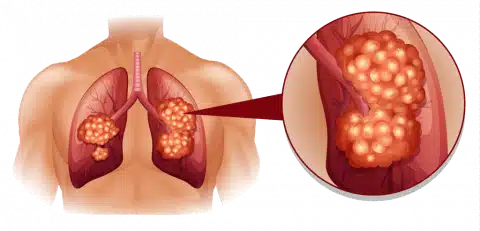
Doctors may recommend one of several surgical procedures to treat pleural mesothelioma, which is cancer on the lining of the lung. However, sometimes it’s not until after they start operating that surgeons are able to tell the full extent of the cancer and which surgery may be the most appropriate.(7)
Extrapleural pneumonectomy is an extensive operation in which surgeons may remove an entire lung and its lining, several nearby lymph nodes, part of the diaphragm, and the lining of the sac around the heart, known as the pericardium. Surgeons then may need to reconstruct the diaphragm and the pericardium with man-made materials.
For many patients, this type of surgery may offer the best chance to remove all of the cancer. However, as many as one out of three people who undergo this surgery experience major complications. Doctors may require several tests ahead of the operation to ensure you:
Pleurectomy/decortication is a less extensive operation that can help control the buildup of fluid, improve breathing, and reduce pain caused by pleural mesothelioma.
During pleurectomy/decortication, surgeons remove part of a lung and its lining, as well as the entire visible tumor. Unlike with extrapleural pneumonectomy, surgeons typically do not remove the lung and diaphragm when performing pleurectomy/decortication.(7)
Other surgical procedures used to treat pleural mesothelioma include:
Debulking (partial pleurectomy) — Surgery that aims to remove as much of the mesothelioma as possible but generally removes less tissue than in a pleurectomy/decortication.(7)
Pleurodesis — Surgery to drain fluid that has accumulated around the lungs and to stop the buildup of fluid by irritating the pleura.
Wide local excision — Surgery to remove the cancer and some of the healthy tissue around it.
Typically, pleural mesothelioma surgeries have better results when followed by treatment options intended to kill any cancer cells that may be left. This treatment is called adjuvant therapy and may include radiation therapy, chemotherapy, and immunotherapy.(1) (8)
Like with other surgeries, operations to treat mesothelioma carry risks. The extent of these potential complications depends on the type of surgery and the person’s health before the procedure. Serious risks and side effects are typically less common with less extensive operations.
Serious complications of extrapleural pneumonectomy, for example, can include:
To perform pleural mesothelioma surgery, surgeons must often spread patients’ ribs. As a result, patients may experience lingering pain at the incision site, and they may not be able to participate in all their normal activities for at least four to eight weeks.(7)
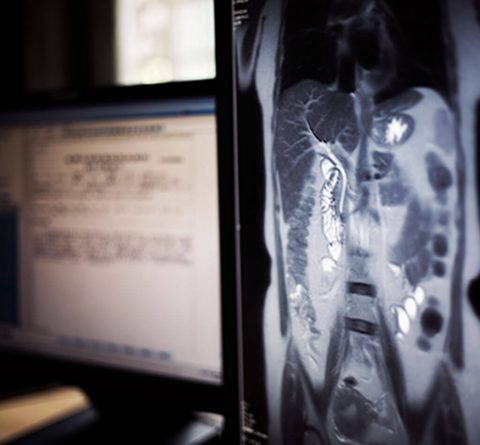
Peritoneal mesothelioma develops in the lining of the abdomen. Patients with this type of mesothelioma undergo surgery either to help ease symptoms or to remove a tumor from the wall of the abdomen and digestive organs.(7)
Debulking is a type of surgery in which surgeons try to remove as much of the mesothelioma as possible — even when that means also removing pieces of the intestine.
When treating peritoneal mesothelioma, doctors may combine debulking surgery with intraoperative chemotherapy. This is when chemotherapy is given into the abdomen after the cancer is debulked (removed) but before the operation is completed. Doctors leave the drugs in for a short time, remove them, and then close the incision.
In some cases, the chemotherapy drugs are heated. This is called heated intraoperative (or intraperitoneal) chemotherapy or HIPEC. After a surgeon removes all the visible cancer, he or she heats and pumps a mixture of anticancer drugs into and out of the abdomen to kill remaining cancer cells. Heating the anticancer drugs may kill more cancer cells, so debulking surgery combined with HIPEC can result in better outcomes.(1) (7) (8)
Cancers that form on the lining of the abdominal cavity often spread to the omentum, a layer of tissue that supports and protects the intestines and organs in the abdomen. As part of surgery for peritoneal mesothelioma, surgeons may remove the omentum.(7)

Treatment options for pericardial mesothelioma are few because this type of cancer develops on the lining of an extremely delicate organ: the heart. In some cases, surgery can help remove tumors from the sac around the heart.
Testicular mesothelioma develops on the lining that covers the testicles, known as the tunica vaginalis. Surgeons typically can’t remove this type of mesothelioma completely. Most of the time, doctors only perform this surgery because they mistake the tumor for a hernia, only to realize after beginning surgery that it’s, in fact, a tumor.(7)
Chemotherapy is a cancer treatment that uses powerful drugs to stop cancer cells from growing, either by killing the cells or by stopping them from dividing. Doctors often combine chemotherapy with other treatments, such as surgery and radiation therapy, but the drug can also act as the primary form of treatment for patients who either opt out of surgery or are not good candidates for it.
When surgery is an option, mesothelioma patients may receive chemotherapy before the procedure to try to shrink the cancer and reduce the chances it will spread. This is called neoadjuvant therapy. Patients may also receive chemotherapy after surgery (adjuvant therapy) to try to kill any cancer cells the surgeon may have missed. Chemotherapy may shrink the cancer or slow its growth, but it is not likely to cure it.(1) (9) (10)
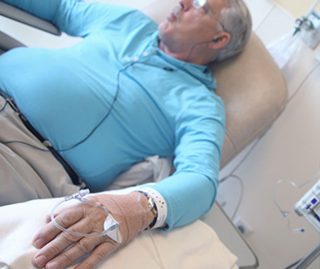
The way medical professionals choose to administer the chemotherapy depends on the type and stage of the cancer they’re treating. Most patients receive chemotherapy drugs as a pill or in their veins as an intravenous infusion. Some doctors inject the medications directly into the part of the body where the cancer has formed.
Medical oncologists consider several factors when determining which chemotherapy medications to use and how to give them. These factors include:
Were you or a loved one diagnosed with mesothelioma? Call for a free legal consultation.
(917) LAWYERSDoctors usually give chemotherapy in three- to four-week cycles, following each period of treatment with a rest period to allow the body time to recover. Doctors usually administer the treatment in two main ways: systemic chemotherapy and regional chemotherapy.
Systemic chemotherapy — Patients receive chemotherapy via pill or intravenous injection into the vein or muscle. The drugs enter the bloodstream and travel throughout the body to destroy cancer cells.
Regional chemotherapy — Doctors use a small tube to inject chemotherapy drugs directly into the area of the body where the mesothelioma developed. Sometimes the drugs are heated before they’re injected.(1) (10)
Doctors choose from several chemotherapy drugs to treat mesothelioma, including:
Your mesothelioma care team may use a combination of two or more anticancer drugs. This is called combination chemotherapy. Some patients, however, may not be able to tolerate more than one drug.(1) (9) (10)
Chemotherapy drugs may inadvertently attack healthy cells, leading to side effects. The side effects depend on the type, amount, and duration of drug use. Common side effects may include:
Once a patient stops chemotherapy treatment, these side effects typically go away. Some patients who undergo chemotherapy may turn to medications or other methods to lessen the side effects.
Certain chemotherapy drugs can have other side effects, including nerve damage called neuropathy. This can sometimes lead to hearing loss or symptoms in the hands and feet, including pain, burning or tingling sensations, sensitivity to cold or heat, or weakness. Neuropathy and the resulting side effects may linger in some people but usually disappear once a patient stops treatment.(10)
Diagnosed with mesothelioma after being exposed to asbestos? Explore your legal options.
Get a Free Case ReviewFor patients diagnosed with mesothelioma, doctors may recommend radiation as part of their treatment. Radiation from high-energy X-rays or other types of exposure can permanently damage the DNA of cancerous cells. This prevents the cells from spreading and can ultimately kill them. When cancer cells die, tumors shrink. As a result, symptoms tend to lessen.
However, mesothelioma tumors are often challenging to treat with radiation therapy because they don’t form as one clear mass. This makes it hard to avoid nearby normal tissues when aiming radiation at the cancer.(1) (11) (12)
Doctors decide how to use radiation therapy based on the type and stage of the cancer. The goal of radiation therapy is different depending on the patient. Uses of radiation therapy can include:
Like with chemotherapy and surgery, doctors may use radiation on its own or in combination with other methods to treat mesothelioma. Radiation may be delivered in two ways: external beam radiation therapy or brachytherapy (internal radiotherapy).
External beam radiation therapy is the most common form of radiation therapy for mesothelioma. It uses a machine outside the body to send radiation to kill the cancer cells. It’s similar to getting an X-ray, but the radiation is much stronger. Although it can take your care team some time to get you into place for radiation therapy, each actual treatment lasts only a few minutes. Typically, mesothelioma patients who receive radiation undergo the treatments five days a week for several weeks.
Doctors seldom use brachytherapy for mesothelioma cancer treatment. For this type of therapy, doctors place a radioactive substance sealed in needles, seeds, wires, or catheters directly into or near the cancer. The radiation doesn’t travel far, limiting the possible damage to nearby healthy tissues.(1) (12)
Side effects of radiation differ depending on the type of therapy. For external radiation, side effects can include:
These usually go away once treatment stops.
Over time, radiation therapy in the chest can damage the lungs and lead to trouble breathing and shortness of breath. Radiation therapy in the abdomen may cause nausea, vomiting, diarrhea, and loss of appetite.
The side effects are usually worse when doctors combine radiation therapy with chemotherapy.(12)
Researchers have developed newer therapies intended to attack specific cancer cells. These drugs and substances are called targeted therapies.
Targeted therapies technically are considered chemotherapy, but they work differently from standard chemotherapy drugs, which have limited effect against mesothelioma. Targeted drugs attack specific parts of cancer cells that make the cancer cells unlike other cells. The drugs may also target cells that help cancer cells grow.
Targeted therapies often have other, less severe side effects. This type of treatment typically causes less harm to healthy cells than chemotherapy or radiation therapy.
In general, when used as cancer treatment, targeted drugs work to:
A type of target therapy, monoclonal antibody therapy uses antibodies made in the laboratory that can identify substances in the body that help cancer cells grow. These antibodies attach to the substances, killing the cancer cells, blocking their growth, or keeping them from spreading. Monoclonal antibodies are given by infusion and can carry drugs, toxins, or radioactive material directly to cancer cells.(14)
Also a type of targeted therapy, kinase inhibitors block signals needed for tumors to grow. These types of therapies are currently being studied in the treatment of malignant mesothelioma.(1)
Were you or a loved one diagnosed with mesothelioma? Call for a free legal consultation.
(917) LAWYERSFor some mesothelioma patients, participating in a clinical trial may be the best treatment option. It’s one way to get state-of-the-art cancer treatment and may be the only way to receive the newest cancer therapies.
As part of the cancer-research process, clinical trials are meant to improve current treatments or to discover whether new cancer treatments are safe and effective or better than standard treatments.
Researchers have conducted only a few large clinical trials of treatments for mesothelioma. Some clinical trials only include patients who have not yet received treatment.
Clinical trials may test:
With no known cure for mesothelioma, scientists continue to look for better ways to prevent, treat, and even cure the deadly disease.
Through research, newer treatments are emerging and may give doctors and their patients more options.
These include:
Immunotherapy — A treatment that rallies the patient’s immune system to fight mesothelioma cancer.
Photodynamic Therapy — A therapy that uses a light-activated drug to collect and kill cancer cells.
Gene Therapy — A treatment that attempts to add new genes to cancer cells to make them easier to kill.
Virus Therapy — A therapy that involves putting a virus into the body to either infect and kill the cancer cells directly or cause the immune system to attack the cells.(1) (13)
Though your doctor may not mention them, you may hear about alternative or complementary methods to relieve symptoms. These methods can include:

Alternative therapies are treatments patients use instead of a doctor’s medical treatment, while complementary methods are methods patients use along with their regular medical care. These methods might help relieve symptoms and help patients feel better, but many have not been proven to work, and some may be dangerous. You should consult your cancer care team about any method you are considering.(2)
When doctors recommend surgery, radiation therapy, or chemotherapy as a way to relieve or treat mesothelioma symptoms, keep cancer in check, or improve quality of life, it’s called palliative treatment.
Fluid buildup in the body, for example, is one mesothelioma symptom that may call for palliative care. Fluid buildup can cause trouble breathing or other problems. Doctors may use palliative procedures to remove the fluid or help keep it from coming back. These procedures include:
Mesothelioma treatment can be immensely expensive. It can also cause a great deal of pain and suffering, only to end in death. The experienced mesothelioma attorneys at Weitz & Luxenberg have almost 40 years of experience helping mesothelioma victims get the compensation they need and the justice they deserve.*
If you have been diagnosed with mesothelioma or your loved one is living with or has died from the disease, we would be honored to assist you. For a free consultation, call (917) LAWYERS or fill out a form to speak with one of our compassionate and skilled attorneys.
Pain, cough, fever, fatigue, shortness of breath — all are symptoms that could be caused by a number of conditions. That’s why people at first may ignore these symptoms of mesothelioma cancer or mistake them for common ailments.
But mesothelioma is far from common and far from minor. It’s a rare and deadly asbestos-related cancer that can take decades to emerge and at least a few months on top of that to diagnose.(1)
Were you or your loved one diagnosed with mesothelioma after being exposed to asbestos? We can help.
Get a Free Case ReviewHear From Our Clients
Very professional and thorough law firm. I look forward to working with their team for a successful outcome.”
J.K., via Google Reviews
Because mesothelioma is an uncommon type of cancer, there are no widely recommended screening tests for people who are not at an increased risk of developing the disease. As a result, the cancer is usually found when a person goes to a doctor because of symptoms.(2) However, by that time, the cancer often has spread, making it difficult for doctors to treat.
Mesothelioma symptoms may vary, depending on where the tumors develop in the body.
The primary types of mesothelioma are pleural mesothelioma and peritoneal mesothelioma. Two other types — pericardial mesothelioma and testicular mesothelioma — may also develop, but these cases are fewer.
Although some symptoms may affect the entire body, the majority surface around the primary tumor. Most symptoms gradually worsen over time.(3)
Pleural mesothelioma is the most common form of mesothelioma. It accounts for more than 75 percent of all diagnoses. This type of mesothelioma develops in the lining of the lungs, known as the pleura.(4) Unfortunately, many people may not notice or experience symptoms until this type of cancer has progressed.
Symptoms of pleural mesothelioma include:
Accounting for 15 to 20 percent of all mesothelioma diagnoses, peritoneal mesothelioma develops in the lining of the abdomen, known as the peritoneum.(4) Early symptoms include abdominal pain, while small bowel obstruction is often a late-presenting symptom and usually indicates that the cancer is in an advanced stage.(5)
Symptoms of peritoneal mesothelioma include:
Pericardial mesothelioma accounts for just 1 to 2 percent of mesothelioma diagnoses. This cancer develops in the lining of the heart, known as the pericardium, and is the most difficult form to diagnose and treat. Some symptoms of this type of mesothelioma, such as chest pain and shortness of breath, are also the warning signs of pleural mesothelioma.(3) (4) (6)
Symptoms of pericardial mesothelioma include:
Only about 100 total cases of testicular mesothelioma have ever been recorded, making it the rarest type of mesothelioma cancer. Accounting for less than 1 percent of all mesothelioma diagnoses, testicular mesothelioma develops in the membrane that lines the testes.
Patients diagnosed with testicular mesothelioma have reported swelling and/or fluid in one or both testicles. But because few patients have been diagnosed with this type of cancer, researchers have not conclusively linked it to specific symptoms.(3) (4)
Mesothelioma may spread from its original site to other parts of the body such as the bones or other organs. Once the cancer has advanced this far, surgery is generally not an option, and most treatments are to relieve pain or other symptoms.

Hemoptysis
Coughing up blood

Horner’s Syndrome
Nerve damage to the face

Laryngeal Nerve Palsy
Hoarseness
Anywhere from 10 or 15 to 50 or more years can pass before warning signs of mesothelioma cancer become noticeable. This period of time is known as the “latency period.” The average latency period between asbestos exposure and development of mesothelioma is approximately 30 years.(7)
The long latency period makes accurately diagnosing mesothelioma cancer difficult. This difficulty is further compounded by the fact that the symptoms are easily mistaken for those of less serious illnesses.
The clinical misdiagnosis rate for pericardial mesothelioma, for example, is extremely high because the symptoms are often confused with those of coronary heart disease, heart failure, and other heart conditions.(8) Moreover, the symptoms of pleural mesothelioma can often be mistaken for influenza or pneumonia.(3)
Mesothelioma treatments to date have not led to a cure. However, the earlier doctors detect the cancer, the more treatment options you may have available to you to help lessen symptoms and help you potentially live longer.
People who have the highest need for mesothelioma screening include:
Investigators have found asbestos-related diseases in people with only brief asbestos exposure, but people who have been heavily exposed to asbestos for a prolonged period of time have the highest risk of developing mesothelioma.(9) (10)
People who experience symptoms of mesothelioma should consult a doctor immediately. Mesothelioma patients may then choose to contact an experienced mesothelioma attorney to discuss their legal options.
Weitz & Luxenberg’s reputable team of attorneys has almost 40 years of experience in asbestos cases and has won $13 billion in settlements and verdicts for victims of asbestos-related diseases. We’ve helped more than 44,000 asbestos victims get the justice and compensation they deserve, and we’d be honored to do the same for you.*
For a free consultation, call (917) LAWYERS or fill out a form to speak with one of our attorneys.

