As a nationally recognized law firm with three decades of experience, Weitz & Luxenberg has years of experience holding irresponsible or unethical medical practitioners accountable and has won compensation for our medical malpractice clients.
In one year alone, the Weitz & Luxenberg team recovered $7 million on behalf of families whose loved ones suffered from medical malpractice and wrongful deaths.
Even if a medical error did not occur, you may still be seriously injured during treatment. Your doctor is required to make sure you are aware of the risks before you get the treatment. If you do not give your informed consent — and understand what risks you are agreeing to — you may deserve to be compensated.
As an independent, not-for-profit organization, The Joint Commission accredits and certifies nearly 21,000 health care organizations and programs in the United States. The Joint Commission claims that 44% of patients who sign consent forms “do not know the exact nature of the operation to be performed, and most — 60 to 70 percent — did not read or did not understand the information contained in the form.”(1)
At Weitz & Luxenberg we advocate for clients who may not be able to fight for themselves. Our knowledgeable, experienced, and compassionate team members work to protect those who need our strong legal backing.
Informed consent lawsuits are a special type of personal injury and medical malpractice legal case. Informed consent cases are complex, which makes them difficult to prove.
Most victims do not have the knowledge and training to fight their legal battle alone. They need a strong legal advocate to fight on their behalf.
If you or a loved one is considering an informed consent lawsuit, let the lawyers at Weitz & Luxenberg put their knowledge and experience to work for you to help you get the compensation you deserve.
Informed consent is much more than just signing a consent form at the doctor’s office or hospital before having a medical procedure or surgery. While these consent forms are required for doctors and hospitals to proceed with medical treatments, they are not the same thing as exercising your right to know. You need to understand what a medical treatment or procedure means for you.
Have you suffered due to lack of informed consent? You may be eligible for compensation.
Get a Free Case ReviewKey to making a reasonable decision regarding your medical care is understanding the possible outcomes and consequences associated with the treatment. You have a right to be informed of the risks involved.
While the definition of informed consent may vary depending upon state law, the core of such legislation is the same. The intent is to ensure patients make knowledgeable decisions about their medical treatments or procedures after a health care provider discloses all the information regarding the risks.
According to The Joint Commission, “Informed consent in medical care is a process of communication between a clinician and a patient that results in the patient’s authorization or agreement to undergo a specific medical intervention.”(2)
A lack of informed consent means a failure by the health care provider to disclose to the patient reasonably foreseeable risks, alternative treatments that may be available, and the benefits of any proposed treatments. This information must be communicated in a manner such that a patient may make an informed evaluation.
Informed consent law usually allows for two types of consent — express and implied.
Express consent may be given in writing or verbally. An informed consent form should provide patients with all the information they need to make a knowledgeable decision about the treatment or procedure they are considering. That information includes:
There are times when written or verbal consent is not expressly given, but may be implied by circumstances.

At times, written or verbal consent is not given but is understood based on the circumstances surrounding the treatment being done. This type of consent applies when a patient has a relatively minor, noninvasive type of procedure.
Implied consent also applies to any additional procedures a surgeon might need to perform in the course of a surgery to which a patient has already given consent.
There are some circumstances in which a doctor is not required to get express informed consent. One example would be in the case of an emergency where a doctor must take immediate medical action to save a person’s life.
There are also patients who are legally unable to give consent due to, for example, mental illness or because the patient is a minor.

Disturbingly, Temple Health reports, “A survey of 50 patients after surgery found that the purpose of consent forms is often unclear and patients frequently perceive them as a form of legal protection for hospitals and treatment centers rather then as a source of information.”(3)
To make matters worse, there are times when basic information is missing from a consent form. The Joint Commission says, “One research study found that four basic elements of informed consent… were included on the consent forms only 26.4 percent of the time.”(4) Those elements were:
It is not just neglecting to obtain written consent where there may be failure. Informed consent is about communication between the doctor and the patient.
“There are many potential reasons for this failure of truly informed consent and the ongoing lack of understanding,” says Temple Health.(5) Patient factors that affect understanding may include:
Temple Health goes on to explain, “In addition to the acknowledged low rates of health literacy and English proficiency seen in an increasingly diverse American society…the other less well documented human factors that may negatively influence the patient’s comprehension of medical information include memory, education level, and also the timing of the informed consent session.”(7)
Temple Health reviewed studies in which some startling statistics were revealed. For example, one 2006 study using a modified consent process “with 204 ethnically diverse elderly patients (40% with low literacy) found that only 28% answered all comprehension questions correctly… . Low literacy and being black were associated with need for more education.”(8)
Likewise, situations where informed consent may become an issue can arise when a doctor fails to take into account their patient’s culture. As surprising as it may seem, doctors are not necessarily trained to be culturally sensitive. They may display insensitivity to cultural issues of their patients when developing consent forms or even while interacting with patients.
Need legal assistance in navigating a case regarding informed consent? Speak to an experienced attorney today for a free consultation.
(917) LAWYERSIn any case, informed consent is not obtained unless the patient understands the course of treatment they are being asked to agree to. Informed consent greatly depends on communication between doctors and patients.
A consent form is not the defining factor in truly informed consent, understanding is.

Informed consent is at the heart of your rights as a member of a free society. You have the right to decide what happens to your body, provided you do no harm to someone else. However, when you are facing a medical decision and feel scared, you may surrender your right to choose to a doctor.
This is problematic for two reasons. First, the doctor’s values may not agree with your own. Secondly, the doctor could have a conflict of interest, which means the doctor is not able to be objective. Any advice the doctor might give could be prejudiced by personal interests.
Conflicts of interest can occur in three ways:
In addition to conflicts of interest, there can be a conflict of commitment. This occurs when an outside relationship deters doctors from devoting an appropriate amount of time and energy to their practices.
The need to protect a patient’s rights and safety seems clear. Therefore, both the law and medical ethics require doctors to provide their patients with the important facts. This is necessary so the patients can make an intelligent decision about what treatment to have, where to have it, and even who should provide it.
When considering your options regarding medical decisions, you should seek answers to these questions:
These types of questions can help you to make your best decision.
If you are in need of a legal advocate, it is important that you consult with a qualified informed consent attorney as soon as possible.
There are two legal standards courts have applied to what a patient needs to know in informed consent cases. The first standard is patient-centered, while the second standard is doctor-centered. Which standard is used depends upon individual state law.
The patient-centered standard considers what a reasonable patient would want to know about a proposed treatment.
The doctor-centered standard considers what doctors customarily tell patients about a proposed treatment.
Under the patient-centered standard, the jurors become the “experts,” since they are typical patients, too. In the doctor-centered standard, lawyers are required to rely on the testimony of medical experts as to the information that doctors typically disclose.
Understandably, doctors’ opinions about what information patients require to make medical decisions are different than what patients think they need.
While most states have adopted the patient-centered standard, not all have. Knowledge of state law is critical to the success of an informed consent lawsuit.
Weitz & Luxenberg informed consent attorneys know precisely how to navigate these legalities in order to help our clients secure any compensation they deserve.
Attorneys who are part of Weitz & Luxenberg’s personal injury team have worked on more than 1,000 lawsuits dealing with issues of substandard medical care and dangerous drugs or devices. Our many successes on behalf of our clients testify to the extensiveness of our team’s experience and skill.
The team has helped to secure millions on behalf of our clients. Gary Klein, managing attorney at Weitz & Luxenberg, states “We are very proud of the work our team has done, resulting in substantial settlements and verdicts for our clients.”
The Weitz & Luxenberg team of dedicated legal professionals handles cases where people have been hurt or killed as a result of medical malpractice or personal injury. We would feel privileged to help you. For a free consultation, please call us at (917) LAWYERS.
While approximately 190 people across the United States die each day from injuries such as traumatic brain injury, others who suffer this injury may experience long-term impairment. In these cases, the injured person and the family may face a lifetime of significant challenges.(3)
If you have suffered a traumatic brain injury due to someone else’s carelessness or recklessness, a brain injury attorney may be able to help.
You may have been hurt unintentionally, due to another person’s negligence. Did you sustain your injury when you slipped on the icy sidewalk in front of a grocery store? Maybe you slipped on a wet floor at a local fast food restaurant where there was no warning sign? Perhaps you fell down the stairs in your own home after hiring contract workers to install new carpeting?
Or you may have been hurt intentionally. Someone may have hit you with a fist or weapon. A driver may have run a red light and then run you over.
If so, you may be able to seek compensation for your injuries.
We are fortunate in this country that laws exist to protect the public from others’ irresponsible actions. Sometimes, a business owner is at fault, sometimes a doctor, sometimes a product manufacturer.”
In the case of a faulty bicycle helmet, for example, if a person sustains a traumatic brain injury in a fall or accident because the helmet didn’t work as it was supposed to, that person can seek compensation.
Former football players have filed lawsuits claiming they suffered traumatic brain injuries while wearing helmets. Some athletes claim product defects, while others say the helmets did not contain adequate warnings of the dangers of TBI. These former players have developed serious brain damage. Many of these cases are ongoing.(4)
TBI could be due to a case of physician error; a baby might experience a traumatic brain injury in the delivery room. As a result, this child might face a lifetime of disability.
Private individuals may be at fault in other situations. If you suffer a traumatic brain injury in a vehicle crash, you may be able to seek compensation if the driver of the other vehicle caused the accident.
No matter the specific situation, an experienced, knowledgeable brain injury attorney, such as an associate attorney at Weitz & Luxenberg, may be able to help you.
If you or a loved one has suffered a traumatic brain injury, contact an attorney today for a free case evaluation.
Get a Free Case ReviewAccording to the CDC, falls are the leading causes of traumatic brain injury. Other causes include blunt trauma accidents and traffic accidents.(5)
If you’re 65 years of age or older, you’re more likely to experience a brain injury as a result of a fall.(6) In fact, according to the Mayo Clinic, falling out of bed, slipping in the bath, falling down steps, falling from ladders and related falls “are the most common cause of traumatic brain injury overall, particularly in older adults and young children.”(7)
All kinds of events can result in brain injury:
You may be wondering if your traumatic brain injury is something for which you can seek compensation. Sometimes, the situation seems clear.
If someone rear-ended your car, or otherwise crashed into a vehicle in which you were either the driver or a passenger, and you sustained injuries, you may be able to file a brain injury lawsuit. Any head trauma in such a situation should be taken seriously; you should seek emergency care immediately.
Not every situation is as clear-cut when it comes to seeking compensation. For example, someone was drinking in a bar and got into a fight with another customer. He fell and hit his head on the floor, but got up feeling fine. If the customer then blacked out later, he might very well be able to seek and receive compensation — even though the injured person was drinking or drunk.
In fact, in recent years, attorneys with Weitz & Luxenberg have handled personal injury cases that had similar situations. A potential client unfamiliar with the law may have thought, “I was drunk, and sustained injuries because I was intoxicated. Therefore, I was at fault and do not deserve compensation.”
That client would be pleasantly surprised to discover that he was wrong. Weitz & Luxenberg attorneys examine the circumstances of each case carefully, and, in the end, have won million-dollar victories for our clients.
One client was awarded more than $13 million after being attacked by a bouncer.
Another client won a multimillion dollar judgement due to a fall from an apartment walkway that resulted in serious injuries. The building owner was found to be at fault — he was found to be negligent.
Our attorneys have also won millions of dollars for victims of hit and run and pedestrian-related accidents. In one instance, a passenger in a vehicle was left paralyzed from the chest down after a reckless driver ran a stop sign and then fled the scene.
“It’s always gratifying to achieve a victory for our clients. I can’t begin to imagine the pain and suffering they’ve been forced to endure, but if I can help make their lives better in some way, that’s what makes everything worth it,” says Adam Raffo, an associate attorney at Weitz & Luxenberg.
For many of our clients, there is more to their lawsuit than winning money. Many of them are going through one of the hardest times in their lives. That is why we are so proud of how they feel they are treated by our attorneys.
One of our clients asked us to try and recover compensation for his son’s traumatic brain injury. He wrote to thank us for achieving a substantial settlement despite the complicated issues of liability. As W.P. wrote, “I am convinced there are very few law firms that could have achieved your result and that would have fought so very hard … Your lawyers are professional and compassionate.”
Patricia and William Hynes came to us due to a problem that occurred during surgery, leaving William permanently disabled. Patricia explained that William “cannot speak and cannot walk. He cannot do many of the most basic things a person does. … our lives were ruined. …”
Our attorneys were touched by what Patricia said when she thanked us, “The people at Weitz & Luxenberg were there for me. … I’ve found it’s a rare thing when people go the extra mile all the time. That’s what my Weitz & Luxenberg attorneys did for me. … Would I turn to Weitz & Luxenberg again if I need help on some other personal injury matter? One-hundred-percent yes.”
You may think your traumatic brain injury was just a terrible accident and you just have to live with the consequences. However, by consulting with one of Weitz & Luxenberg’s attorneys who specializes in personal injury, you might learn that a lawsuit is worth pursuing.
Maybe you were driving, hit a patch of black ice, and flipped your vehicle over, sustaining serious injuries in the process. You might blame yourself or the black ice, but it might also be possible that the vehicle was defective in some way and contributed or even caused the rollover — or made whatever injuries you sustained significantly worse.
In fact, maybe all across the country, people were sustaining life-threatening injuries when their vehicles rolled over. By consulting with an experienced brain injury attorney, you might learn your vehicle was just one of millions of vehicles that was defective.”
General Motors is a perfect example of a manufacturer that sold a defective product that affected people across the country. Although GM ultimately recalled millions of defective vehicle models, for some victims, the recall came too late. A number of people had already been injured or died in crashes linked to their vehicles’ faulty ignition switch.
If you have sustained a traumatic brain injury, the cost — physically, psychologically, and financially — could be astronomical. The best way to find out if you might be eligible to receive compensation is to speak with an experienced brain injury attorney.
Weitz & Luxenberg employs attorneys who specialize in everything from personal injury cases to defective products. As a national law firm, we have been winning cases for our clients for almost 40 years and have earned a reputation of going up against those who might otherwise seem untouchable.
Whether you sustained a traumatic brain injury from a car crash, a fall, a defective product, or an assault, we encourage you to give us a call for a free consultation.
Are you or a loved one suffering from a traumatic brain injury? If so, contact an attorney today for a free case evaluation.
Get a Free Case ReviewNo matter how someone sustains a brain injury, two types of damage take place: primary brain damage and secondary brain damage.(9)

Primary damage takes place at the moment of impact. A person may sustain a skull fracture, bleeding, or blood clots. Secondary brain damage is whatever happens after the initial impact, which may include swelling and increased blood pressure within the skull and seizures.(10)
A relatively mild injury may lead to only temporary impairment. More serious brain injury can result in bruising and tearing, long-term and severe complications, and death.(11)
According to the Mayo Clinic, physicians may use the terms “mild,” “moderate,” and “severe” in evaluating and determining the appropriate treatment for a brain injury. However, a “mild injury to the brain is still a serious injury that requires prompt attention and an accurate diagnosis.”(12)
Symptoms of mild brain injury may include the following:
In more severe cases of traumatic brain injury, a person may experience the symptoms already noted but to a greater degree. Some of these may be apparent right away; others may take hours or days to develop:
Because young children may not be able to communicate what they are feeling, adults should pay attention to the following symptoms:
With some cases, a specific wound is visible. Sometimes, no significant damage appears on the outside.(16) Inside, however, brain cells may be damaged. Sometimes, the damage affects only a small area of the brain.(17)
For other cases, the severe knock or jolt to the head may have jostled the brain itself so that it moved back and forth inside the skull. In addition, extreme twisting or rotating of the head can cause the tearing of the brain’s cellular structures.(18)
Sometimes the brain injury is serious enough to cause irreversible damage to brain cells, blood vessels and tissues around the brain. Bleeding in or around the brain, blood clots, and swelling can all lead to additional complications.(19)
In addition to brain damage that occurs shortly after a traumatic event, such as a car accident, an individual may suffer complications such as strokes, seizures, and infection. Even if a patient doesn’t die from injuries, severe injury may result in catastrophic damage.(20)
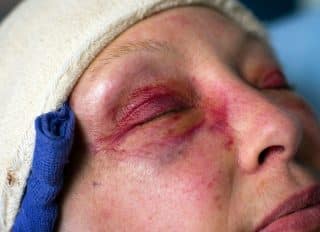
The surviving individual may experience a lifetime of disabling nerve damage resulting in the following conditions:
Brain damage can also affect the following:
Traumatic brain injury may also play a role in the development of brain-related degenerative diseases, such as Alzheimer’s and Parkinson’s disease. In Alzheimer’s disease, memory and thinking skills decline. With Parkinson’s disease, a person loses muscle function and control.(23)
Although they sound like something out of The Twilight Zone television series, these stories are often true. In some cases, patients correctly report that their surgeon operated on their wrong body part or wrong side of their body. Other patients experience severe complications because a medical instrument was left behind during a procedure.(2)
If you or a loved one underwent surgery and experienced harm because of a surgical error, we urge you to contact Weitz & Luxenberg’s surgical error attorneys. Our knowledgeable attorneys can help you evaluate your circumstances and provide legal guidance.
Our surgical error attorneys are investigating claims involving the following types of surgical errors:
If you have suffered serious harm due to a surgeon’s neglect or oversight, we encourage you to get in touch with an experienced attorney. At Weitz & Luxenberg, our attorneys have been handling complex medical malpractice lawsuits for nearly 40 years.
We have a solid history of winning. Over the years, we have won billions of dollars on behalf of our clients.
Please, do not hesitate to contact us for more information. We offer a free initial consultation.
You can contact us by phone at (917) LAWYERS or complete the form provided on this web page. One of our representatives will be in touch with you shortly.

Among many in the medical profession, surgical mistakes, or errors, are called “never events.” That is because significant surgical errors are never supposed to happen.(3)
A former CEO of the National Quality Forum came up with the term in 2001. The term originally referred to particularly alarming surgical mistakes, such as performing surgery on the wrong place on a patient’s body.(4)
The National Quality Forum list of never events now includes three criteria:(5)
The list refers to 29 specific types of surgical errors grouped into seven categories. These categories include surgical, medical device, and case management mistakes.(6)
Examples of surgical errors include operating on the wrong patient or the wrong body part, as well as performing the wrong kind of surgery on a given patient. Other surgical errors include leaving a foreign object behind inside the patient.(7)
An example of a surgical error involving a medical device includes using one or more contaminated instruments. A patient could develop a serious infection as a result.(8)
A case management error is a medication mistake, for example. The error could be incorrect dosage, the wrong medication entirely, or the wrong delivery method, such as a pill rather than an injection.(9)
Foreign objects may be left inside a patient following surgery. These objects are sometimes called retained surgical bodies.(10)
Experiencing complications from a surgical error? Contact us for a free consultation about your legal options.
Get a Free Case ReviewExamples of retained surgical bodies include surgical sponges, clamps, retractors, drains, and electrodes. These foreign objects can be life-threatening when left behind inside patients. As a result, patients may have to undergo another surgical procedure.(11)
Sometimes patients experience complications from these foreign objects right away. In other instances, patients might not realize a foreign object has been left inside them for months or years.(12)
The unfortunate reality is that this surgical error occurs more often than you might think. Some researchers have estimated that roughly 1,500 patients each year are victims of retained surgical bodies.(13)
Possible complications of retained surgical bodies include:
Surgery may be the only way to resolve some complications.(14)
Patients undergoing surgical procedures also risk developing an infection. Sometimes the infection originates at the surgical site.(15)
Infections of any kind can lead to longer hospital stays, additional medical or surgical procedures and lab work, and greater medical expenses.” (17)
According to some researchers, surgical site infections occurring within a month following a surgical procedure contribute greatly to life-threatening complications or death. Some infections affect only the skin around an incision while others can affect deeper tissues and internal organs.(16)
Infections of any kind can lead to longer hospital stays, additional medical or surgical procedures and lab work, and greater medical expenses.(17)
When you think of surgical errors, you might not consider the possibility of a patient falling off the operating table. However, this really does happen.
A fall from an operating table might seem close to impossible when you first think about it. Maybe what comes to mind is a flat table-like surface.
However, operating tables are complex medical devices, and they tilt. Researchers of one study offered a suggestion for making an operating table safer. They suggested adding supplemental posts to stabilize patients when surgeons need to adjust the tilting mechanism of the operating table.(18)
The authors acknowledge that when patients fall off the operating table, the consequences can be particularly horrendous. In some cases, patients have died as a result.(19)
At the very least, falls off operating tables can result in injury, as well as prolonged hospital stays.(20)

Medication errors right before, during, and after surgery are more common than you might think. According to an article published in the HARVARDgazette, medication errors of one kind or another happen 50% of the time. That is one out of every two surgeries.(21)
In that Harvard study, researchers concluded that nearly 80% of the medication errors could have been prevented. Examples of medication errors included incorrect labeling, incorrect dosage, and failed oversight in administering a medication to improve a patient’s vital signs.(22)
We have probably all heard at least one shocking story in which a surgeon performed a procedure on a patient’s left body part when it should have been the right, or vice versa.
Maybe the patient’s left arm was amputated instead of the right. Or maybe a woman’s right breast was removed instead of the cancerous left breast.
However, the possibility for surgical errors on patients does not stop there. In some cases, a surgeon performed the wrong procedure on a patient or performed a surgical procedure on the wrong patient entirely.
According to the U.S. Department of Health and Human Services, these types of surgical errors are called “wrong-site, wrong-procedure, wrong-patient errors,” also referred to as WSPEs. The agency cited several examples:(23)
Hospitals may have taken measures to prevent these types of surgical errors. However, severe surgical errors still occur.(24)

Unfortunately, many of the horror stories you hear about surgical error are true. Here are some of the cases our attorneys have won for our clients. Although the situations these families faced were terrible, we hope the compensation we fought for helps them feel they have received some justice.
In one very sad case, we won $1.2 million for a young woman who went for what she thought would be a routine tummy tuck. Following surgery, she developed a blood clot in her lungs. Within a week, she died.
We discovered that the surgeon used a faulty piece of surgical equipment. Because blood clots are a risk linked to surgery, surgeons routinely use a type of medical device to prevent this from happening. During this woman’s surgery, the surgeon relied on a used piece of equipment he bought online. The device failed and she died from complications.
Were you or a loved one injured during surgery because of a surgical error? Speak to an experienced attorney for a free consultation.
(917) LAWYERS“It is unbelievable that a medical doctor, a surgeon, would even consider buying used medical equipment from the Internet,” said Gary Klein, managing attorney at Weitz & Luxenberg. “I cannot imagine how the surgeon believed it could be used safely on patients.”
Our team was also instrumental in getting a substantial financial settlement for a man whose surgery was botched. It ruined his life.
Our client underwent brain surgery. During the surgery “something bad happened — exactly what, no one would say. Not the doctor, not the nurses, not anyone. They all went silent and offered no explanations,” explained his wife.
As a result, the patient suffered serious brain damage. To this day, he is permanently disabled. He cannot speak or walk.
But the settlement W&L was able to negotiate allowed him and his wife to pay off their creditors and have money to live on.
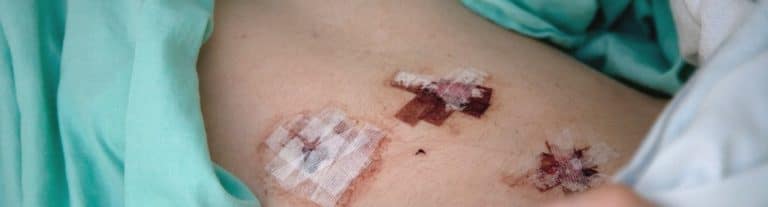
We were also able to help a woman who suffered repeated complications following misdiagnoses and surgical mistakes. She sought treatment at several hospitals and developed an infection that nearly cost her her life.
Initially, the woman sought medical treatment for an undiagnosed illness. At one hospital, part of her treatment included surgery. Following the surgery, the woman became very sick. An infection nearly killed her.
Our attorneys were able to negotiate her a settlement that would let her buy the house of her dreams. The attorneys at W&L cannot restore your health, but they can get you the compensation you deserve for the medical and surgical mistakes you were subjected to.
The team of W&L attorneys was able to negotiate a $1.975 million medical malpractice settlement for a woman who died from a ruptured appendix.
The family of a wife and mother sought compensation on her behalf. She had gone for medical care due to abdominal pain, nausea, and vomiting. One medical professional after another misdiagnosed her condition.
A surgeon consulted with the woman and determined she did not need an operation. Ultimately, the woman died from a ruptured appendix because she did not receive the surgery she needed.
If the surgeon had performed surgery, he probably would have been able to save her life. Our W&L attorneys sued the doctors and hospital on the grounds that they were negligent. We won compensation for our client’s family because she did not get treatment that followed the necessary standard of care.
If you or a loved one underwent a surgical procedure and experienced significant harm as a result of one or more surgical errors, Weitz & Luxenberg can help you. We have been representing clients injured from surgical errors for almost 40 years.
We also have a history of winning surgical error lawsuits. Over the years, we have secured billions of dollars on behalf of our clients who have been seriously injured from a surgeon’s oversight or other mistakes related to surgical procedures and medical devices.
Your first step in getting the justice and compensation you deserve is contacting an experienced surgical error attorney, such as one of our medical malpractice attorneys at Weitz & Luxenberg. As a national law firm, we have attorneys available across the United States who can advise you of your legal options.
Depending on your specific circumstances, you may be able to pursue compensation for pain and suffering, as well as lost wages and medical expenses. We are prepared to offer you the expertise you deserve.
Surgical error lawsuits can seem overwhelming. At Weitz & Luxenberg, we can assure you we will be with you every step of the way.
You may be facing not only serious physical challenges related to your medical condition but also emotional and financial ones. However, you do not have to face these challenges alone.
We urge you to contact us now. An initial consultation is absolutely free.
For your convenience, feel free to phone us at (917) LAWYERS or complete the form available on this web page. One of our representatives will be in touch with you shortly.
Although a past record does not guarantee future success, Weitz & Luxenberg has the experience and resources necessary to stand up to the large hospitals and surgeons who work there.
We fight for the people who need and deserve our help when facing the medical establishments with all their resources.
Making the decision to enter a nursing home, or realizing a loved one needs that level of care, can be difficult. Ultimately, we hope that person receives the best care possible.
Unfortunately, examples of nursing home abuse are common. Many elderly people are abused in the very places that are supposed to provide protection and support. Some even die.
Nursing home abuse involves injuries such as: (3) (4)

If you or a loved one has suffered nursing home abuse, we encourage you to reach out to one of Weitz & Luxenberg’s experienced nursing home abuse attorneys. No one should have to face this type of situation alone.
Weitz & Luxenberg is here to help you navigate the complex legal process that surrounds nursing home abuse cases.
If you or your loved one has suffered any type of nursing home abuse, you may be able to pursue compensation.
In worst-case scenarios, your family member may have died due to nursing home abuse or neglect. In this case, you may be able to file a wrongful death lawsuit.
Let Weitz & Luxenberg’s knowledgeable nursing home abuse lawyers help you. We offer a free consultation and can advise you of your legal options.
For more information, we invite you to contact us at (917) LAWYERS or fill out the form on this web page. One of our representatives will respond to your request for help.
Nursing home abuse lawsuits can be complicated. One or more people may be responsible for the abuse.
The people who commit nursing home abuse may be physicians, nurses, nurse’s aides, administrators, janitors, contract workers, or other residents.
Sometimes, the facility itself may have broken both state and federal laws.
In addition, those who harm nursing home residents may commit more than one offense or more than one type of offense.
Nursing home abuse can be intentional or unintentional. Abuse is “the willful infliction of injury, unreasonable confinement, intimidation, or punishment with resulting physical harm, pain, or mental anguish.” (5) Older person abuse is when someone harms an older adult — someone aged 60 or older. The abuse occurs at the hands of a caregiver or other trusted person. (6)
Although intent is a key factor in determining whether someone abused a nursing home resident, the Centers for Medicare and Medicaid Services (CMS) “would not necessarily find a reflex response to be unintentional.” Someone who slaps a resident after a resident slaps them “could have developed intent in an instant and thus should be considered abusive.” (7)
The word “unintentional” is a bit of a gray area. Unintentional error and neglect do not necessarily mean the same things. (8)
For example, a caregiver’s attitude toward a nursing home resident is hard to measure, even though the resident may feel slighted. Also, sometimes neglect is accidental rather than deliberate. Specific circumstances are important to consider. (9)
However, examples of the types of abuse that may occur in nursing homes include: (10)
As reported by CNN, “Some of the victims can’t speak. They rely on walkers and wheelchairs to leave their beds. They have been robbed of their memories. They come to nursing homes to be cared for. Instead, they are sexually assaulted.” (11)
Some of the victims can’t speak. They rely on walkers and wheelchairs to leave their beds. They have been robbed of their memories. They come to nursing homes to be cared for. Instead, they are sexually assaulted.”
As reported by CNN
In another incident, a woman who visited her mother in a nursing home every day to assist with bathing and eating was not allowed to visit during the COVID pandemic. When talking on video calls, her mother appeared lethargic and less talkative. During one, caregivers could not wake her mother. She insisted they take her to the emergency room. Doctors found the mother had lost weight and had a large, infected bedsore. Her mother soon died of sepsis. (12)
Jean Krause was 78 and suffered from dementia. “For weeks before her death” she “lay in her bed at a… senior home, staring mutely at the walls. Even when her children arrived with flowers or her favorite dessert, she did not respond. Or she would suddenly sit bolt upright, asking if her door and windows were shut.” After she died, “the family finally solved the mystery of her strange behavior.” She “was sexually assaulted in her bed by a male nurse’s aide who appeared to be changing her underwear.” (13) The family members only learned of the assault when an attorney contacted them about the crime — almost a year after their mother’s death.
In an incident cited in a Long Term Care Community Coalition report, a mentally confused resident was punished for cursing by being placed into a tub of hot water. The resident died from scalding two weeks later. (14)
Nursing home abuse occurs in a nursing facility, while elder abuse can occur anywhere. So, nursing home abuse can be considered a form of elder abuse. Unfortunately, elder abuse is becoming much more common as the U.S. population of older adults is rising faster than the population of young adults. (15)
Elder abuse can occur in many different ways, such as: (16) (17)
Whatever form the nursing home abuse takes, it occurs when the patient is harmed in some way. Generally, the patient experiences pain or injury, suffering, and a decreased quality of life.

Elder abuse is a serious concern in nursing homes, with incidents of physical abuse rising. According to the Office of Inspector General (OIG) of the U.S. Department of Health and Human Services, “Nursing homes should be environments that are free of harm.” The OIG “uncovered misconduct and grossly substandard care in nursing homes.” It states that “substandard care can result in harm such as costly medical injury, unsafe conditions, and abuse and neglect of residents.” (18)
OIG reports, “In 2023, nearly 16 percent of residents living in long-term care settings reported experiencing abuse.” (19)
Another study found, “The highest abuse rates reported by residents and/or by others referred to psychological (4–99%).” (20)
This meta-analysis report of staff-to-resident abuse in nursing homes also indicates resident-reported prevalence of abuse was as high as 93% for physical abuse and up to 87% for neglect. (21)
If you or a loved one has been abused at a nursing home, speak to an experienced attorney today for a free consultation.
(917) LAWYERSThe same study noted self-reported abuse by nursing home staff reached 46% for psychological abuse, 40% for physical, and 77% for neglect. (22)
According to the Centers for Disease Control and Prevention (CDC), physical abuse is “illness, injury, functional impairment, or death resulting from the intentional use of physical force.” (23)
Physical violence includes hitting, beating, pushing, shaking, slapping, kicking, pinching, and burning. Physical abuse also embraces any unlawful, excessive, or unnecessary use of physical or chemical means to restrain or confine, according to the National Center on Elder Abuse (NCEA). Examples of physical abuse include force-feeding and physical punishment. (24)
Signs of potential physical abuse in nursing homes include: (25)
Patients in nursing homes may be particularly vulnerable to unwanted touching or sexual advances. Patients may have medical conditions that prevent them from specifically consenting to sexual contact. (26)
When this is the case and a patient is not able to agree to sexual contact, any form of sexual contact is sexual abuse. Sexual abuse is a criminal offense.
Examples of sexual abuse in nursing homes include: (27)
The CDC defines psychological or emotional abuse as “verbal or nonverbal behaviors that inflict anguish, fear, or distress. Examples include humiliation, threats, or harassment.” (28) This type of abuse can also be acts such as verbal assaults, insults, intimidation, and isolation, explains the NCEA. (29)
One definition of neglect is, “the refusal or failure of a caregiver or fiduciary to fulfill any part of a person’s obligations or duties of care to an older person.” This includes, but is “not limited to: Failing to provide for life necessities such as food, water, clothing, shelter, and medicine.” (30)
Specific examples of neglect include: (31)
In addition, many residents in nursing homes may benefit from specific federal programs that are part of legislation passed in 2010, The Elder Justice Act. This federal legislation addresses abuse, neglect, and exploitation of older adults. (32)
Under previous legislation from 1987, the Nursing Home Reform Law, nursing homes are required to protect the rights of their residents. “A person living in a long-term care facility maintains the same rights as an individual in the larger community.” (33) Among these rights are the right to quality of life, to be fully informed, to complain, to participate in one’s own care, privacy and confidentiality, to visits, and to dignity, respect, and freedom. (34)
Research suggests that some people may be more at risk than others for being abused in nursing homes. Risk factors include: (35) (36)

Nursing home facilities certified by Medicare or Medicaid must protect your rights. and ensure you receive the care and services you need. (37)
First and foremost, you have the right to make your own decisions, the right to be informed, and the right to have your personal information kept private and confidential. Someone at the nursing home is required to inform you of your rights and explain them in writing in a way you can understand. (38)
Before you move into a nursing home, someone at the facility must also let you know what your responsibilities as a patient are. All residents are required to conduct themselves responsibly and treat others respectfully. (39)
At the very least, federal law mandates that a nursing home both “protect and promote the rights… of each resident.” (40)
As a resident at a Medicare- or Medicaid-certified facility, you have the right to: (41)
Federal law requires nursing home facilities to report serious cases of nursing home abuse to police within 2 hours of the incident. (42) However, more than 25%, or one out of four, are not reported to police. (43)
These are instances of significant nursing home abuse. In some instances, residents required treatment at a hospital emergency room. (44)
For example, one woman was sexually assaulted at her nursing home facility. She showed severe bruising following the assault. (45)
Were you or a loved one the subject of nursing home abuse? Contact us for a free consultation about your legal options.
Get a Free Case ReviewHowever, personnel at this nursing home facility never reported the abuse, even though they are required by law to do so. (46)
If you or a family member has been abused in any way at a nursing home or, in a worst-case scenario, died following the abuse, you should not have to face the situation alone. We encourage you to contact Weitz & Luxenberg to speak with one of our nursing home abuse lawyers.
You may be entitled to compensation for the harm you or your loved one endured.
Filing a lawsuit against a health care provider or nursing home facility may seem intimidating. However, nursing home abuse is a serious matter. Anyone who commits nursing home abuse should be held accountable for his actions.
At Weitz & Luxenberg, our knowledgeable, experienced nursing home abuse attorneys can help you face the challenges ahead. We have lawyers who can respond to your specific circumstances.
Please contact us for more information. A consultation is absolutely free, and we can provide you with legal guidance regarding your situation.
We are prepared to file appropriate nursing home abuse lawsuits on behalf of our clients who have experienced nursing home abuse.
For almost 40 years, we have devoted ourselves to representing clients who have been harmed by others. We also have a history of winning. Over the years, we have secured billions in verdicts and settlements on behalf of our clients.
We urge you to call us now. “Abuse in a nursing home is unacceptable and cannot be tolerated. People who commit nursing home abuse, and the organizations that allow it, must be held legally accountable,” said Gary Klein, managing attorney at Weitz & Luxenberg.
We want to help you.
You can reach us by phone at (917) LAWYERS or by completing the form available on this web page. Please do not hesitate to reach out.
Although a past record does not guarantee future success, Weitz & Luxenberg has the experience and resources necessary to stand up to both large-scale and small nursing home facilities, both federally funded and private.
Updated March 2025
The data was gleaned from a comprehensive, seven-year study published in the medical journal Anesthesiology and posted online by the U.S. National Library of Medicine.(1)
Using hospital statistics, the study reviewed data from 1999 to 2005 and determined that there were 2,211 anesthesia-related deaths in the U.S. over that span with “excess mortality risk in the elderly and men.”
Overall, 46.6 percent of the deaths were attributed to an overdose of anesthetics, followed by 42.5 percent who were killed by the adverse effects of anesthetics used in therapeutic use, the researchers said.”
The study focused on deaths in the United States and used information from the “National Vital Statistics System, maintained by the National Center for Health Statistics.” (1)
The study determined that anesthesia-related death rates dropped by 97% since the late 1940s to early 1950s.
However, according to Time, a 2011 story in the German Medical Association’s science journal states that after decades of decline, the worldwide death rate during full anesthesia had increased to approximately seven patients in every million.(2)
That’s up from four in every million at the end of the 1980s.

The author of the study said the uptick was the result of an increase in the number of older patients — not reduced quality of care.
The American Society of Anesthesiologists says “anesthesia is safer than ever.”(3) Anesthesia-related death rates have dropped from two deaths per 10,000 procedures to one death per 200,000 to 300,000 procedures, according to the organization.
Have you or a loved one suffered complications related to anesthesia? Contact us now for a free consultation.
Get a Free Case ReviewMistakes made in the application of anesthetics can lead to serious complications, life-long medical issues and a number of associated problems.
The risks associated with receiving anesthesia vary depending on the patient’s age, physiology, and the type of surgery involved. Although rare, complications may occur, including lung infections, stroke, and heart attack.
Sometimes, the symptoms associated with errors in anesthesia include convulsions, bronchospasms, or an inability to breathe properly. Sometimes, death can be traced to either improper dosages — too much or too little — or medication type.
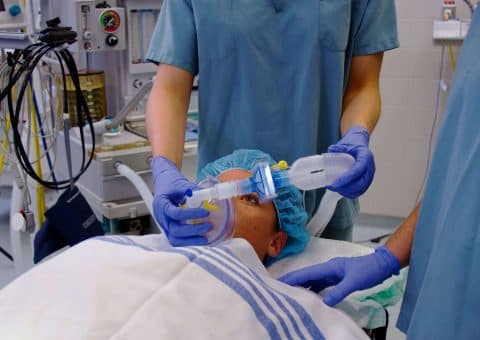
Failure to properly monitor the patient or to recognize complications, mistakes in the operation of oxygen equipment, and failing to give proper instruction to the patient about eating before surgery are among the possible problems.
Complications from anesthesia errors include brain damage, allergic reactions, nausea, breathing issues, stroke, nerve damage, blood clots, heart attack, medium-term mental confusion, pneumonia, and death.
Some patients who are administered general anesthesia are aware of what is happening during surgery but are unable to speak out because of the numbing effects of the medication. That rarely happens, according to the American Association of Nurse Anesthetists.(4)
When it does happen, those patients sometimes experience long-term psychological issues similar to post-traumatic stress disorder, or PTSD, because they are unable to communicate to doctors that they are awake or experiencing pain.
Young children also face anesthesia risks.
One study found language comprehension and intelligence quotients decreased in young children who received anesthesia for surgeries.
“The present findings suggest that general anesthesia for a surgical procedure in early childhood may be associated with long-term diminution of language abilities and cognition, as well as regional volumetric alterations in brain structure,” the study said. “Although causation remains unresolved, these findings nonetheless warrant additional research into the phenomenon’s mechanism and mitigating strategies.” (5)
According to data compiled by the National Health Care Quality Report, there were 6.58 birth injuries for every 1,000 babies born in the United States in 2000.
By definition, a birth injury occurs when the baby suffers from some form of preventable trauma, usually during the childbirth process itself. Often, birth injuries result from the use of mechanical devices such as forceps or vacuum extractors to assist with delivery, or the deprivation of oxygen to the child.
If a child suffers a birth injury, or other complications as a result of medical negligence, filing a malpractice lawsuit may lead to compensation for the child for their lifetime. Malpractice lawsuits as a result of birth injuries are often filed against the doctors and hospital where the baby was delivered or treated.
If you find yourself in this unfortunate position, the attorneys at Weitz & Luxenberg who specialize in cases involving birth injuries would be happy to assist you. Please feel free to contact us for more information.
Was your infant injured during birth as a result of medical negligence? Speak to an experienced attorney today for a free consultation.
(917) LAWYERSA child’s birth injury may be obvious in those cases where seizures or other evidence of trauma or oxygen deprivation arise during the first 24 hours of life. Sometimes they might not be obvious at first but may present over time when a child fails to meet his or her milestones. These delayed symptoms may include an inability to sit up or crawl, experiencing limpness of arms or legs, and missing the common developmental milestones for children of a comparable age, including crawling, walking or talking.

In some cases, prescribed drugs issued to the pregnant mother can cause injury even before the child is born, which sometimes means legal action is warranted against drug companies, pharmacists, hospitals or prescribing doctors.
Birth trauma can involve a doctor’s failure to diagnose and react to conditions regarding the mother and baby inside the delivery room.
While this isn’t a comprehensive list, birth injuries most commonly result from one or more of the following factors before or during delivery:
Doctors aren’t perfect and delivery-room staffers can make mistakes that result in permanent damage, sometimes because of exhaustion or inexperience. Depending on the time the baby is born or the circumstances at the hospital, a top-tier physician might not be available to assist in delivery, sometimes resulting in disastrous results in a high-risk pregnancy.
Obstetricians are sued more frequently than doctors in other specialties and pay the highest insurance premiums. Not surprisingly, though cellphones have given nearly every parent the ability to record their baby’s delivery for posterity, cameras are banned in many delivery rooms, partly to minimize potential liability issues when birth injuries are sustained.
Clearly, preventable mistakes are being made every day during delivery.”
Yet birth injuries are not always obvious initially, and can lead to a number of long-term issues that were not immediately diagnosed, including a decrease in strength and stamina, a loss of nerve sensation, or problems associated with slow cognitive and emotional development.
One of the most crippling issues linked to birth injuries is cerebral palsy (CP), an incurable condition with devastating repercussions. In addition to serious physical problems, cerebral palsy can place an enormous financial burden on the family because of associated medical bills, with a lifetime cost estimated at $1 million – and that’s in 2003 dollars.

Another devastating birth-related malady is Erb’s Palsy, which generally involves nerve damage in the shoulder area and neck sustained at the end of a long, difficult delivery of a large baby. That is, Erb’s Palsy is caused by the physician when pulling the infant from the womb in an unusual or rough manner.
Filing deadlines for birth injury malpractice lawsuits vary in different states, so contacting an experienced attorney in a timely fashion can often be crucial when seeking compensation for trauma and physical damage experienced during childbirth.
Members of Weitz & Luxenberg’s nationally renowned attorneys and/or affiliated attorneys are licensed in all 50 states and with $26 billion in compensation, over three-plus decades of practice, are experienced in prosecuting personal injury cases, including medical malpractice, reflecting many scenarios. Case consultations with potential clients are always free.
The patient, 36, was having a cyst removed from her liver when the surgeon mistakenly left behind a pair of forceps.
Three years later, the patient excreted part of the forceps handle in her stool while using the bathroom.
After an X-ray revealed another piece of the metallic instrument still inside her, another round of surgery was scheduled.
The forceps had corroded and turned black, the grip was completely missing, and part of the woman’s digestive system had to be stitched together.
As a result of the preventable hospital error, the patient sued the doctor responsible for the incident, a mistake often characterized as “retained surgical instruments,” or RSIs.
The dangers associated with retained instruments vary. The outcome could “have catastrophic implications for patients, healthcare professionals and medical care providers,” authors of a 2013 study said. (2)
The mistakes can lead to other issues, including hospital readmission, more surgery, infection, and bowel obstruction or perforation. (1)(2)
Was a foreign object left behind in either you or a loved one during surgery? Contact us now for a free consultation.
Get a Free Case ReviewVarious medical organizations have suggested a spate of potential fixes, including requiring a detailed count of instruments after surgery or using X-ray devices to ensure nothing was left behind, but the preventable mistakes continue.
While the number of accidentally retained surgical objects hasn’t typically been closely catalogued, medical estimates “of surgeries with objects left behind range from 1 in every 1,000 procedures to 1 in every 19,000” surgeries. (3)
The Veterans Health Administration cites a rate of about 1 in 6,000 for its surgeries. (3)
“Every year, an estimated 4,000 cases of ‘retained surgical items,’ as they are known in the medical world, are reported in the United States,” the New York Times published in 2012. (4)
Sponges and towels were among the items most commonly left behind in patients, according to a study conducted by surgeons at Ohio State University’s Wexner Medical Center. (5)
Researchers documented 59 cases of retained surgical instruments out of 411,526 surgeries. Medical sponges or towels were involved in 59 percent of the cases of RSI.
A technology called radio frequency identification is being studied as a possible solution.
A 2017 study determined that radio frequency identification (RFID) technology may “have the potential to substantially improve patient safety by reducing RSI errors, although the body of evidence is currently limited.” (6)
“An RFID system consists of a reader (sometimes called an interrogator) and a transponder (or tag), which usually has a microchip with an antenna attached to it… usually the reader sends out electromagnetic waves with a signal the tag is designed to respond to” according to RFID Journal. (7)
“Safety measures to eliminate RSIs have been widely adopted in the United States and abroad, but despite widespread efforts, medical errors with RSI have not been eliminated,” the 2017 study said.
When another person or corporation has caused you to be hurt, it may have been intentional or a matter of negligence. In either case, you may face more than the actual physical injury – such as broken bones, internal organ damage, or long-term medical illness.
You may be experiencing pain. And as a result of that pain, you are suffering – now and perhaps even into the future. Any additional corrective or necessary medical procedures may be expected to add to that pain and suffering.
The suffering may also be due to your inability to pursue activities of your life that were necessary, brought you enjoyment or both. For example, if you become a paraplegic, your days as a ski bum may be over. And if that was how you made a living, your days of employment may be over as well.
You deserve to be compensated for significant temporary and permanent limitations on activities.
You also deserve to be compensated if your injuries can potentially shorten your life.

Many clients have questions about how our attorneys calculate pain and suffering. The compensation is determined, in part, by the results permitted in other cases. Our attorneys’ experience gives them a good idea of the value of any particular case.
A jury can easily award you damages that can be calculated – ones based on bills and paychecks, such as:
Even a new attorney can prove those damages without too much difficulty. But it takes an experienced trial attorney to be able to convey those intangible costs – life’s daily activities, enjoyment of friends and family, and quality of life – and what they are worth.(1)
Our attorneys know what our clients are going through, whether it is due to a:
W&L attorneys understand the struggles of daily life that our clients deal with, the pain you have already suffered, and what the future holds, in addition to the loss of ability to do the things you love.
W&L attorneys understand the struggles of daily life that our clients deal with, the pain you have already suffered, and what the future holds, in addition to the loss of ability to do the things you love.”
Our attorneys are skilled at making members of a jury feel your pain. By painting a picture of the life you had and the quality of life that you lost, our attorneys can convince a jury that it is only fair that you get financial satisfaction from the people and companies who caused your damage.
Because they have been doing this for decades, our attorneys are able to reasonably assess what your injury’s pain and suffering is worth in terms of dollars. By presenting your physical and emotional pain and suffering,(2) our attorneys convince the jury to look at your situation and the losses, both tangible and intangible, you currently face.
And how much money it will take to make you as whole as you will ever be.
You can sue for any amount of money. But the jury is required to award a sum that is reasonable.
The money you get from a jury award or a negotiated settlement depends on a number of factors. Key among them is how realistically and completely your attorney is able to paint a picture of what you are going through.
Your attorney needs to describe your situation accurately, so it is important that you speak openly and completely about the effect your injury has had on your life.
The more honest you are with your attorney, the more likely it is that you will be able to get the compensation you deserve.
Appropriate compensation for pain and suffering involves many factors, including:
If you have embarrassing scarring, limitations on sexual function, loss of the ability to digest food, or anything else – you need to tell your attorney, so it gets calculated into your lawsuit compensation request. In some states, damages may be awarded for pain and suffering that is not permanent.(3)
Need legal assistance for a pain and suffering case? Speak to an experienced attorney today for a free case evaluation.
(917) LAWYERSOne way for you to make sure you discuss everything with your attorney is to make a list or keep a daily or weekly diary. That can help you capture all the changes and accommodations you’ve had to make in your lifestyle.
Your attorney uses existing results from prior court cases and settlement negotiations to determine a reasonable amount of money to request.
No, law firms and insurance companies do not calculate pain and suffering the same way. Insurance companies use mathematical formulas, often based on a daily or “per diem” cost – how much you should get for each day you suffer and how long you are likely to suffer. Or else they use a multiplier – like taking your salary and multiplying it by a number between 1.5 and 5.
Your attorney relies on real courtroom experience and other verdicts to know what other clients in similar situations have been awarded by other juries. Experienced attorneys determine the amount of compensation to request based on a variety of issues, as they consider the complexity of your case.

It is critical that you choose an attorney who has successfully gotten compensation for numerous clients. Your attorney must have a realistic sense of what compensation the members of a jury or the defendants’ insurance attorneys are willing to consider.
In addition to providing evidence of your injury, a skilled attorney presents evidence of your pain and suffering – including emotional pain and suffering –by explaining that these are fair and reasonable amounts of money to compensate you for what you are going through.
Our attorneys at Weitz & Luxenberg have had a lot of success in getting our clients financial compensation for their pain and suffering.
In one case, Crane Co. was ordered to pay $20 million to our clients, a mesothelioma victim’s family for a marine ship repairman’s pain and suffering. He was exposed to asbestos gaskets, packing, and insulation when working on motors and engines.
Our attorneys got another verdict of $25 million from the Crane Co. for our clients in a separate asbestos-exposure related case. W&L attorneys convinced a jury to award $10 million in pain and suffering to the estate of a man who worked as a pipefitter and electrician. Another electrician was awarded $15 million – $5 million for past pain and suffering and $10 million for the pain and suffering he is expected to endure in the days, months, and years ahead.
If you or a loved one has experienced pain and suffering resulting from an injury, contact us for a free consultation.
Get a Free Case ReviewIn another case, the jury returned a $22 million verdict against Goodyear for two of our clients who were smokers diagnosed with asbestos-related lung cancer. Both the men, a steamfitter and a heavy equipment engine mechanic, were exposed to sheet gasket material containing asbestos. They suffered from lung cancer because of it. One family was awarded $11.6 million in pain and suffering damages and an additional $1.9 million in loss of consortium, due to the effect the illness had on our client’s marriage. The other family was awarded $8.5 million in pain and suffering damages.
Although our past record of being awarded $26 billion in verdicts and settlements for our clients does not guarantee future success, Weitz & Luxenberg has the experience and resources necessary to stand up to the people or groups that caused you harm.
If you have been affected by the negligence of others, we urge you to contact Weitz & Luxenberg’s pain and suffering attorneys for more information about your legal options.
Hundreds of thousands of people are harmed each year by individuals or corporations. If you are one, we encourage you to contact Weitz & Luxenberg now. Our attorneys will be able to help you get a pain and suffering settlement.
Hear From Our Clients
Without a doubt, if it ever happened that I again need a personal-injury lawyer, I would come back to Weitz & Luxenberg. They could not have been more accommodating, more sympathetic, more patient, more caring. Weitz & Luxenberg treated us like family.”
Joan S.
You are not alone. We can help you fight against the people or company that is affecting your quality of life and causing you pain and suffering.
We are prepared to help you now. Weitz & Luxenberg’s experienced pain and suffering attorneys have tried hundreds of such lawsuits.
Please do not hesitate to contact us for more information. A consultation is free. Our experienced attorneys can offer you legal guidance regarding your specific circumstances for a pain and suffering settlement.
Contact us by phone at (917) LAWYERS or fill out our form on this web page. Someone from our team will reach out to you shortly.
Wrongful death cases are complex lawsuits that require not only experience and knowledge, but also sympathy.
Here at Weitz & Luxenberg P.C., our wrongful death attorneys have a unique blend of training, professionalism, and compassion that we bring to bear on behalf of our clients, especially during vulnerable times.
Our attorneys have a lot of experience working with families who have suffered greatly due to the loss of a loved one. We try our best to help the family receive any compensation they deserve when a loved one has died due to someone else’s negligence.
And we’re glad our clients know we’re working hard on their behalf. “I very much appreciated that everyone on my Weitz & Luxenberg team was on top of things at all times,” says one wrongful death client. “I also appreciated that they treated me with great respect.”
She adds, “They could not have been more accommodating, more sympathetic, more caring. Weitz and Luxenberg treated us like family.”
The exact legal definition of “wrongful death” varies by state. Overall, the term refers to a death that occurs due to another person’s intentional or unintentional actions.
Wrongful death covers a broad spectrum of personal injury. This makes it a highly complex area of legal practice.
“There are no guarantees in life, even if you have a strong case,” says Gary Klein, a partner and the managing attorney at Weitz & Luxenberg. “Clients rely on our team’s knowledge of the law and extensive legal experience in personal injury cases.”

Wrongful death lawsuits arise from a wide range of circumstances, including car accidents, physical violence, hospital error, and medical malpractice.
The numbers of deaths that potentially fall under the category of wrongful death, of whatever type — accidental, violent, or medical error — are startling.
The Centers for Disease Control and Prevention reports that in 2024, unintentional injuries alone resulted in 197,449 deaths in the U.S. (1)

The FBI’s “Crimes in the United States, 2024” report estimates a violent crime occurred roughly every 26 seconds. That’s more than 1.2 million annually. A murder took place around every 31 minutes. A rape happened approximately every 4 minutes. (2)
And, according to a 2024 analysis, medical error is the third leading cause of death in the U.S. Medical error may lead to more than 200,000 patient deaths per year. (3)
Given these statistics, it is easy to understand that the scope and magnitude of wrongful death cases is extensive.
Such cases are complicated and can be difficult to win. This complexity requires experienced, trained wrongful death attorneys, such as those on our team here at Weitz & Luxenberg.
Weitz & Luxenberg has been winning wrongful death cases for our clients for decades. As a nationally recognized law firm, we are dedicated to helping clients win.
Wrongful death lawsuits can take years to come to a successful conclusion. One such case began in February 1993 and is known as the “St. Valentine’s Day Massacre.”
The wrongful death verdict in the case resulted in a $16.4 million award for the families of victims of murder at an apartment building.
These families sued for pain and suffering. Their claim was that the landlord was negligent because the building security was inadequate. That inadequate security resulted in the wrongful deaths.
In another case, a wrongful death client said, “If not for Weitz & Luxenberg, what’s left of my family would never have had the opportunity to see justice done. I really believe that.”
Each state has its own laws and procedures governing wrongful death. In all states, however, three factors must be taken into consideration:
The closest living family member of the deceased is eligible to file a wrongful death suit. This could be the parents, spouse, or children. They file the claim on behalf of the deceased, who is known as the “plaintiff.”
Also, people who can prove they were dependent upon the plaintiff may be eligible to file a wrongful death lawsuit.
Has your loved one died because of someone else’s actions? If so, you may be eligible for compensation.
Get a Free Case ReviewThe person filing the wrongful death lawsuit is very often the executor of the victim’s will or administrator of the estate.
When there is a dispute regarding who should bring suit on behalf of the deceased, a special court is held. This probate court determines the person or persons with legal authority to file, control, and settle a lawsuit.
Even when there is agreement on who represents the deceased’s estate, a probate court still must make the official appointment.
Damages allowed in a wrongful death lawsuit depend on the state. They may include:
Some states place a cap on damages in wrongful death lawsuits.
Additionally, a statute of limitations (the maximum length of time after an event in which legal action may be taken) usually applies.
Because the scope of wrongful death cases is so broad, knowledge of your state’s laws governing wrongful death becomes vital to winning your lawsuit.
When considering a wrongful death lawsuit, it is advisable to contact a qualified wrongful death attorney as soon as possible.
Wrongful death is a broad legal term covering a variety of malpractice and personal injury circumstances. These negligent circumstances can include:
Clearly, this is a very broad range of personal injury law. In many cases, these personal injury cases are also wrongful death medical malpractice cases.
Your best bet to navigating the legal waters is to hire an experienced wrongful death attorney.
Wrongful death lawsuits can also arise due to medical reasons: bad hospital, bad surgeon, or misdiagnosis. These types of cases involve neglect, carelessness, and wrongful acts that result in death.
Medical malpractice lawsuits occur when a health care provider is negligent in any of these areas:
These are just some of the more common areas; there are others.
Medical malpractice lawsuits can apply to hospitals and staff members; doctors, nurses and midwives; and pharmacists.
Medical providers are accountable for their carelessness and inattentive or distracted actions. Their liability depends upon the specifics of any negligence.
W&L has worked on more than 1,000 lawsuits dealing with substandard medical care and dangerous drugs or devices.
In one case, W&L negotiated a $1.975 million settlement for a client in an appendicitis death.
W&L has worked on more than 1,000 lawsuits dealing with substandard medical care and dangerous drugs or devices.”
The W&L legal team settled the wrongful death lawsuit for the estate of a 51-year-old woman who died in 2005 from a ruptured appendix.
The woman’s ruptured appendix was misdiagnosed twice, once as gastritis and again as carcinomatosis, a type of metastasized cancer. She was given pain medication but no treatment.
With her family’s agreement, our attorneys maintained that had she undergone a procedure to remove her appendix, she would have survived. The misdiagnosis meant that the opportunity to administer proper timely treatment was lost.
Mr. Klein points out, “Our client’s large settlement came about because of the skill and compassion of the attorneys here at Weitz & Luxenberg. We fight for justice and have the weight of a large, experienced team behind us to help get that justice for our clients.”
When the families of two single mothers in their 30s sued for wrongful death, W&L settled both cases successfully.
In the first case, a single mother of a young daughter went to a hospital exhibiting signs of pancreatitis, but was discharged without getting a CT scan or a diagnosis. In another hospital, she was ignored for hours.
Her family settled for $2.35 million.
In a second case, a single mother of a young son underwent a tonsillectomy. When days later she could not swallow and her throat hurt, she went to the emergency room (ER).
The ER determined that she was dehydrated. She was admitted and treated with antibiotics, intravenous (IV) fluids, and pain medications. The woman continued to complain of pain and difficulty swallowing. Then, 48 hours after being released from the hospital, she died because her surgical wound ruptured.
Her postoperative care was negligent, and her death was due to malpractice. The settlement reached was for $2.2 million.
Mr. Klein says, “In a medical malpractice case, especially, the family deserves to be compensated for the loss of their loved one.”

Mr. Klein explains doctors make mistakes that cost lives, “They can misdiagnose a situation, make an error during surgery, and use broken equipment.”
This is precisely what happened in the case of a woman in her 30s who went to a plastic surgeon for a $10,000 tummy tuck. Two days later she suffered a pulmonary embolism (a blood clot in the lungs) and was taken to the ER. Five days later she died.
Hospitals regularly use a piece of medical equipment to prevent blood from pooling in the legs. This is done to prevent deep vein thrombosis (a blood clot in a vein deep inside the body) and pulmonary embolism. And in this case, the doctor did use that piece of equipment.
Need legal assistance for a wrongful death case? Speak to an experienced attorney today for a free consultation.
(917) LAWYERSHowever, when W&L attorneys requested to examine the piece of equipment in question, and to see its purchasing records, the machine and records had disappeared.
The surgeon admitted to an employee and a partner that he discarded the machine and purchase records after the patient’s death.
The surgeon feared criticism that the machine might not have been certified since it was used when he bought it on the Internet.
The family of the mother of two settled for $1.2 million due to her wrongful death.
In another wrongful death case, the family sued on behalf of a 70-year-old man who died, due to the failure of his doctor to disclose that he had colon cancer.
The man underwent a colonoscopy in 2007. Although a biopsy taken at the time was positive for colon cancer, the patient was told his results were normal.
He finally learned of his diagnosis in March 2009 when he went to the ER complaining of pain and weight loss.
He died from complications of Stage IV colon cancer. The cancer had been in stage I when it was initially found. If he had been treated when the cancer was first detected, he might have had a better outcome and lived a longer life.
The case was settled for $1.1 million for wrongful death.
His widow said, “…what I didn’t find out until later, was that the finding of cancer was in Albert’s chart the whole time – and even though the doctors who were at fault saw Albert several times after they put the finding of cancer in his chart, they still never told him, never ordered any treatment, never lifted a finger to help him.”
A diagnostic error is defined as a missed, wrong, or delayed diagnosis. Misdiagnosis is a big deal. Around 795,000 people die or are permanently disabled each year due to diagnostic errors, according to a national, cross-sectional analysis. (4)
David E. Newman-Toker is the lead author. He heads the Johns Hopkins Armstrong Institute Center for Diagnostic Excellence and is a recognized world expert in diagnostic error research.
According to Dr. Newman-Toker and his colleagues, the “total annual diagnostic errors in the US likely number in the tens of millions.” These errors may account for around 371,000 deaths per year. (5)
They add, “Across clinical settings (ambulatory clinics, emergency department, and inpatient), we estimate that 800,000 Americans die or are permanently disabled by diagnostic error each year, making it the single largest source of serious harms from medical mistakes.” (6)
If you are one of the millions of Americans affected by misdiagnosis or malpractice leading to wrongful death, let us help you fight back.
One wrongful death client felt strongly about his Weitz & Luxenberg attorney, “He was an absolute point of strength for me. He certainly knew every inch of what was ahead. He had been doing this type of law for a very long time and he knew the players on the opposing side.”
Your case is unique and deserves the attention of a compassionate, experienced, and knowledgeable team of qualified wrongful death attorneys who would feel privileged to fight for the compensation you seek.
That is why you need Weitz & Luxenberg’s professional wrongful death legal team to fight for you.
Contact W&L for a free consultation and more information about your legal options. Please call us at (917) LAWYERS or complete our form. Our client relations representative will contact you shortly.
Updated April 2026

