


In fact, the number of workplace fatalities recorded in 2022 increased by 5.7% from 2021 to more than 5,486 in the United States. (1)
In New York City, where the law firm Weitz & Luxenberg is based, there were 83 workplace fatalities in 2022. Of these, 33% of the deaths were attributed to violence; 25% to falls, slips and trips; 23% to exposure to harmful substances; and 11% to transportation incidents. (2)
Of course, not all work-related trauma results in death. However, any employees who are injured or becomes ill as a result of employer negligence should immediately consult an attorney to consider their legal options.
As a nationally recognized personal injury law firm, Weitz & Luxenberg is dedicated to helping people who have been injured at work and assisting family members whose loved ones were killed on the job. Let our skilled attorneys help you get the compensation you deserve.
Injured in a workplace accident as a result of the negligence of others? Contact us now for a free consultation.
Get a Free Case ReviewNearly Three Million Injured in 2022
We examine every case carefully, ensuring all negligent parties — not just your direct employer — are held accountable for what they did or failed to do.
If a subcontractor at a construction site has an injured worker, for example, there may be opportunities to seek compensation from the property owner, general contractor, or even other subcontractors. Laws vary by state, so consult with our experienced attorneys to determine your options.

Weitz & Luxenberg has been fighting for the rights of injured and ailing workers since 1986. We have generated $19 billion in settlements and awards for clients across a variety of lawsuit types, including workplace-related cases.
Among other types of compensation, a civil lawsuit in many instances can result in payment to the injured parties for pain and suffering, medical bills, and losses in past and future wages. It also may include punitive damages in instances where companies acted with reckless disregard for worker safety.
Despite multiple safeguards required by entities such as the Occupational Safety and Health Administration (OSHA) and labor laws of many states, injuries and deaths in the workplace show no signs of significantly slowing anytime soon.
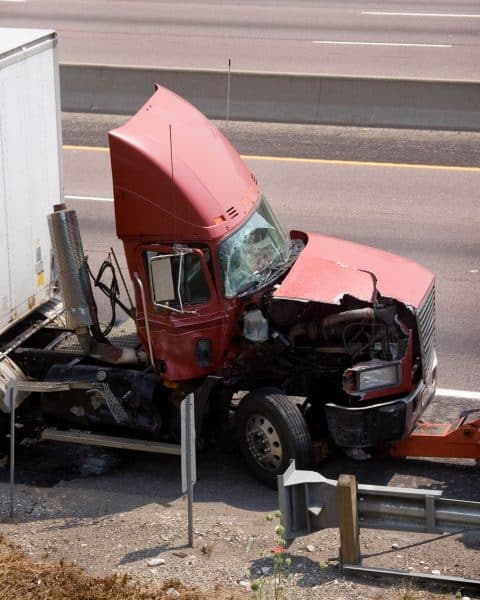
Nationally, there were 5,486 total reported occupational fatalities in 2022, these case statistics show injuries and illnesses across all industries: (3) (4)
- 85,000 cases of transportation related incidents.
- 450,540 cases of falls, slips, and trips.
- 521,350 cases of overexertion.
- 85,410 cases of violent injuries caused by people or animals.
- 450,050 cases of contact with objects or equipment.
- 634,080 cases of exposure to harmful substances or environments.
- 3,190 cases of fires and explosions.
The Northeast Information Office of the Bureau notes, “Nationally, transportation incidents were the most frequent fatal event in 2022, accounting for 38 percent of fatal work injuries. Falls, slips, and trips was the second-most common fatal event (16 percent), followed by violence and other injuries by persons or animals along with exposure to harmful substances or equipment (15 percent each).” (5)
The Bureau went on to say, “The private construction industry sector had the highest number of fatalities in New York City with 23… . Falls, slips, and trips resulted in 15 of the 23 fatalities in the industry. The construction of buildings and specialty trade contractors subsectors each accounted for 11 of the 23 fatal workplace injuries in the construction industry.” (6)
Attorneys Maximize Benefits
Serious workplace injuries often are life-changing events, costing injured people your accustomed quality of living for months, if not forever. While worker compensation payments can offset some of the lost wages while an employee is recovering from an injury, they usually do not begin to cover the real costs of a workplace mishap. This is especially true in the event of serious physical issues.
Often, there are complications with insurance companies and employers when worker compensation claims are filed. This underscores the value of an experienced attorney, who can help maximize the benefits you — the injured party — are entitled to.
It doesn’t always take much for workers to become disabled, temporarily or permanently. While heavy industry accounts for many serious injuries related to lifting and moving freight and other items, sometimes injuries result from the smallest sources, like a slippery floor or wobbly ladder.
Possible work injuries include:
- Burns.
- Electric shocks.
- Eye injury, including vision impairment or blindness.
- Hearing impairment or loss.
- Broken bones.
- Skin diseases or disorders.
- Respiratory conditions.
- Knee and ankle injuries.
- Neck, shoulder, or back injuries.
- Falls from ladders, roofs, and scaffolds.
- Trauma from falling or flying objects.
- Wounds or amputations from being squeezed, caught, crushed, pinched, or compressed between two or more objects, or between parts of an object.
- Violence.
Sometimes, serious medical issues are directly related to improperly serviced equipment, breakdowns of machinery, and mistakes made by co-workers or customers.
National data for 2022 confirms there are still many work injuries happening. This includes nonfatal injuries case rates for private industries. These injuries were highest among healthcare and social assistance workers, with over 440 cases. Manufacturing had the second highest case rate, with over 345 cases. Retail came in third, with almost 340 cases reported. (7)
Hear From Our Clients
I’ve found it’s a rare thing when people go the extra mile all the time. That’s what my Weitz & Luxenberg attorneys did for me — went the extra mile continuously. It was obvious that they were working with me, not for themselves. That made me very happy. It was important to me that I could pick up the phone and call, and someone from my Weitz & Luxenberg team would be there to answer my questions or concerns. If they weren’t available to talk at that moment, I knew that I would hear back from them right away.”
Patricia Hynes
Injured Workers Face Mounting Costs
Whatever the cause and whoever was at fault, the common thread is if you were injured in the workplace, you should strongly consider seeking compensation for your injury, illness, and financial losses. Moreover, some workplace lawsuits also address the emotional issues created by an employer.
In some cases, successful workplace personal injury cases have helped injured or ailing employees recover compensation to help cover a broad spectrum of costs, including payment for past and future medical bills, medical devices, past and future lost income, expenses related to travel for medical purposes, debt or penalties accrued as a result of lost income or missed payments, pain and suffering, and any decrease in quality of life as a result of permanent injuries.
It’s important for you to understand the legal deadlines for filing cases, called statutes of limitation. These deadlines vary from state to state, and that time is sometimes a crucial element in pursuing compensation. Rest assured, the attorneys at Weitz & Luxenberg can handle the legal research and wrangling while our injured clients recover from your injury or illness. The firm handles the deadlines while you, our clients, concentrate on recovering.