 W&L Team
 Asbestos is a mineral that occurs naturally in soil and rock. Asbestos fibers are strong and heat resistant. Manufacturers used asbestos in everything from roofing shingles, insulation, and flooring to textured paint, automobile components, and heat-resistant fabrics. Builders have used asbestos in schools, homes, offices, and other buildings of all kinds. (1)
Today, one of the biggest concerns occurs when asbestos sitting around doing nothing gets disturbed. You can be exposed to asbestos doing demolition, home maintenance or remodeling, and building maintenance and repair. (2)
So, is asbestos dangerous when not disturbed? Generally, no. However, once it’s disturbed, it can release harmful fibers into the air, so it’s important to understand how to handle it safely and responsibly.
Breathing in asbestos fibers is incredibly dangerous. You can develop lung cancer, mesothelioma, or other diseases. To avoid the risk of asbestos exposure, do whatever you can to not breathe in the fibers. You can’t tell by looking at your flooring, wall, ceiling, or roofing if it contains asbestos. Your best bet is to leave those materials alone. (3)
You can hire a professional to check for asbestos. Check with professionals first before remodeling your bathroom, changing out the flooring in your kitchen, removing the textured ceiling in your bedroom, or building a garage. Better yet, have a professional do any demolition, remodeling, or construction work. (4)
At What Point Is Asbestos Dangerous?
Undisturbed asbestos is not considered dangerous. However, disturbed asbestos releases fibers into the air. Breathing in any asbestos fibers increases your risk of developing severe illness. (5)
The more you are exposed to asbestos, the more at risk you are. To avoid this risk, if you work in occupations like shipbuilding or mining, you must take all necessary precautions when dealing with items that contained asbestos when they were originally made. (6)
Demolition work, removing drywall, or being a firefighter also puts you at greater risk. Automobile enthusiasts and workers put themselves at risk of being exposed to asbestos when they work on cars. (7)
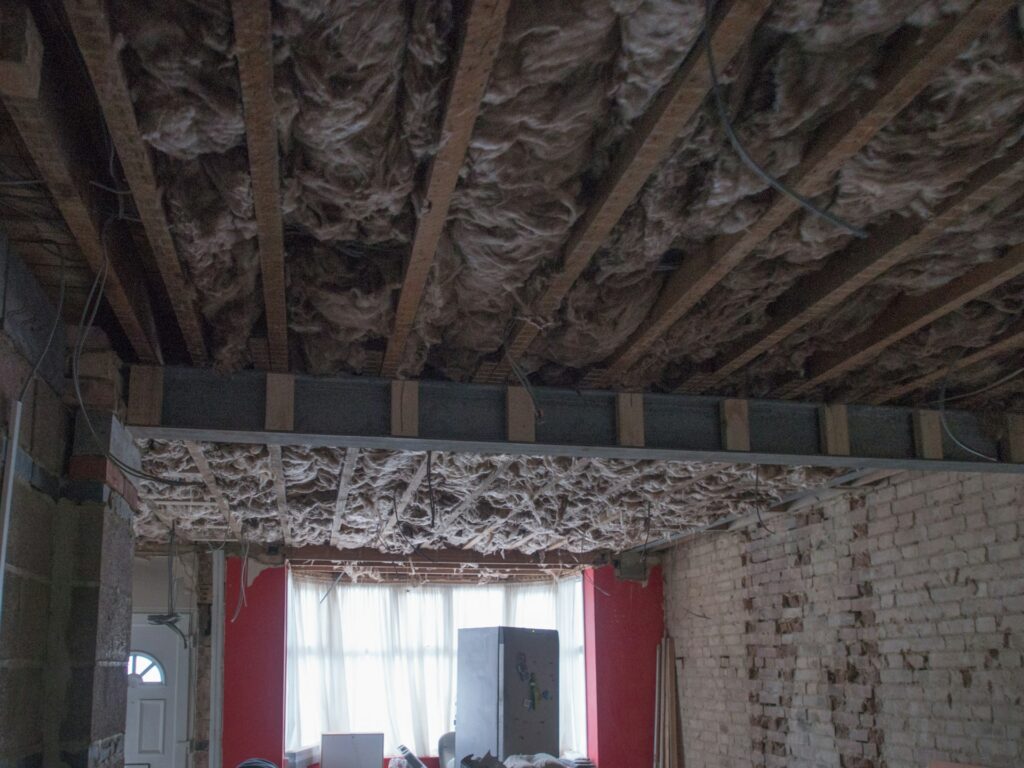
At home, be wary of any damaged building materials. Drywall that is crumbling or insulation that is falling apart could contain asbestos. Regular exposure, even at home, increases your likelihood of developing a severe illness. (8)
Inhaling asbestos fibers can lead to asbestosis, lung cancer, and mesothelioma. Accidentally swallowing microscopic asbestos fibers could also be dangerous. These fibers can get lodged in your lungs. They can stay there and accumulate for years. Asbestos fibers can cause inflammation, scarring, and disease. (9)
Concerned about asbestos in your home or workspace? Learn the risks of undisturbed asbestos and when to take action. Contact us today for a free consultation.
Get a Free Case ReviewWhat To Do with Asbestos
If you suspect it on your property, do not disturb the asbestos. Undisturbed asbestos generally does not pose a threat. (10)
If just the thought of having asbestos in your home concerns you, hire an inspector to take a sample for analysis. If samples from your home test positive for asbestos, it’s definitely time to hire an asbestos abatement professional. (11)
Professionals know how to handle asbestos. They are trained to deal with hazardous material. They also know how to comply with federal regulations and bans. (12)
How to Reduce the Risk of Exposure
You can reduce your risk of being exposed to asbestos in your home by leaving any undamaged asbestos-containing material alone. Also, avoid any activities that might stir up asbestos. (13)
If you want any major work done on your home, hire a professional who knows how to handle asbestos safely. Even with minor work, you’re better off hiring a professional. (14)
You might think it’s a small job, but you could disturb asbestos. And any amount of asbestos in the air is hazardous.
In hiring a professional, consider these tips from the EPA: (15)
- Avoid a conflict of interest. Don’t hire one firm to do everything. Hire one firm to do the testing. Then hire a different company to handle the actual asbestos removal or repair work.
- Ask the asbestos abatement professionals for proof they have completed federal or state-approved training. Anyone working on your home should be licensed or accredited. Make sure they are qualified.
- Check with your local officials regarding the credentials of the people you hire. For example, you could contact the air pollution control board in your area. Also, look at the company’s worker safety record and check with the Better Business Bureau. Find out if the company has any safety violations or is involved in a legal dispute.
How Long Will Asbestos Stay in the Air?
According to a number of asbestos abatement and testing companies, asbestos fibers can stay in the air for 48 to 72 hours. Several factors can affect how long these fibers stay airborne, including: (16) (17) (18)
- Location of the asbestos-containing material — inside, outside, whether found in residential flooring, walls, or insulation. Asbestos fibers inside can linger in the air for a longer time.
- Room size. In large rooms, asbestos fibers settle faster.
- Room ventilation. Better ventilation means the air clears faster.
Asbestos fibers are incredibly light. You might not be able to see them or smell them. Repeatedly disturbing these fibers in any way can release them back into the air. (19)
Asbestos fibers can also be blown farther when caught up in the air current or wind. You might not be near any material containing asbestos fibers yourself, but asbestos fibers can be blown in your direction from somewhere else. How far they can travel depends on air currents and other environmental conditions. (20)
The sooner an area with known asbestos fibers can be cleaned up and decontaminated, the better. Breathing in even a small amount of asbestos can be dangerous. (21)
You can get sick from direct exposure or secondary asbestos exposure. Workers who are protected at work can put other people at risk if asbestos fibers get in their hair, on their skin, or on their clothing. Asbestos fibers can stick to surfaces and be carried around. (22)
Any stirred up asbestos fibers can become airborne. These fibers can pass from one place to another and, being essentially indestructible, can last for years. Anyone who disturbs these fibers can be exposed to asbestos, even if the initial exposure occurred years before. (23)
Deaths Due to Asbestos Exposure
Researchers from one study looked at the number of deaths due to asbestos exposure from 1990 to 2019. Overall, the number of U.S. deaths due to occupational exposure increased by 20.2% during this time frame. Across all states, California reported the highest number of deaths. In terms of age groups, the highest number of deaths occurred in older people. (24)
The study also estimates roughly 125 million people worldwide are likely to “be exposed to asbestos at work at this time.” In addition, asbestos exposure leads to approximately 255,000 deaths annually worldwide. (25)
Asbestos exposure has serious consequences. If you’ve lost a loved one or are sick yourself, we can help. Request your free case review today.
Get a Free Case ReviewHow Do I Clean My House After Asbestos Exposure?
The best way to clean your house after asbestos exposure is to hire a professional cleaner. Even the tiniest amount of asbestos is dangerous. (26)
Simply putting on a mask and vacuuming or scrubbing surfaces is not sufficient. In fact, you could make everything worse by stirring up asbestos fibers. Every fiber you inhale puts you at greater risk of developing a serious health problem. (27)
The first line of defense, and least expensive thing to do, is to seal or cover the material containing asbestos. A professional can recommend the best option for you: (28)
- Sealing — The asbestos-containing material is treated with a sealant. The asbestos fibers are bound together or coated so the fibers cannot be released.
- Covering — This is also called enclosure. This process involves wrapping something around the asbestos-containing material to prevent fibers from being released.
Professionals follow these general asbestos abatement procedures: (29)
- Inspecting and preparing — The professional overseeing the job inspects the area to be contained. This may include taking air samples and looking at historical records of the building or residence.
- Preparing the site itself — The professional seals off the work area using plastic sheeting. This includes making use of negative air pressure machines to prevent asbestos fibers from getting into other areas.
- Taking personal safety measures — Workers wear personal protective equipment. They rely on respirators, disposable coveralls, eye protection, and gloves.
- Removing or sealing asbestos-containing materials — Workers use special techniques. They wet the area down to limit dust. They also use high efficiency particulate air (HEPA) vacuum equipment.
- Disposing of the asbestos-containing material — Workers may double-bag these waste materials in a thick plastic bag. The bags are labeled. Workers dispose of this waste and take it to designated waste disposal facilities.
- Cleaning and decontaminating — Workers wet wipe surfaces, use HEPA vacuums, and monitor the air quality. They finish by making sure asbestos levels test below the regulatory limit.
- Following up with more testing — Workers may also retest the area. They must ensure the area is safe and submit a report notifying authorities that they have complied with regulations.
Your risk of residual asbestos contamination after professional abatement removal is low. Workers test and retest the air to make sure it meets safety standards. (30)
Weitz & Luxenberg
We answered the question of “is asbestos dangerous when not disturbed?” Intact asbestos left alone poses a lower risk to your health. However, it doesn’t take much to disturb asbestos. Materials containing asbestos that degrade and crumble can release asbestos fibers in the air. You can’t see them. You might not even know they’re there. But they are always dangerous.
Whether you’re thinking about starting a remodeling project or you just want to get rid of potentially toxic materials in your home, hire a professional. They know how to secure a site for asbestos removal or containment.
If you have gotten sick due to asbestos exposure, hire an attorney specializing in asbestos exposure litigation. You may be entitled to compensation.
At Weitz & Luxenberg, we have been helping victims of asbestos exposure for close to 40 years. We are known nationwide as a firm defendants don’t want to mess with. Why? Because we have decades of experience and regularly win large awards and settlements for many of our clients. To date, we have secured roughly $26 billion on behalf of our clients.
For more information, we encourage you to contact us at (917) LAWYERS. We offer a free case evaluation and can help you explore your legal options.