Founded in the mid-1980s, Weitz & Luxenberg prioritized legal support for people affected by asbestos-related diseases like mesothelioma.
Since then, we have grown to become one of the largest personal injury and mass tort law firms in the New Jersey and New York areas. Our clients in New Jersey get superior representation because Weitz & Luxenberg is both local and national.
We have a strong local presence in New Jersey: we are in court frequently; we know the assigned asbestos Judge and Special Master, and they know us; we live and work in New Jersey, so we connect with local jurors.
Simultaneously, we have a strong national presence: we are the leading plaintiffs’ asbestos firm in the single best jurisdiction in the world, New York City; our outsized verdicts in NYC grant us leverage to negotiate with those same defendants in New Jersey; we are the 800-pound gorilla, and we are treated accordingly.
From 2015 through 2018, almost 500 New Jersey residents were diagnosed with mesothelioma.(1)
Once a person is diagnosed with mesothelioma, the survival rate is poor. Generally speaking, only about 1 in 8 people survive more than 5 years.(2)
As of 2017, the nationwide average asbestos-related death rate is 4.9 for every 100,000 people. The state average for New Jersey residents is much higher at 6.8 per 100,000. Some New Jersey counties have even more than double or triple the national average.
Diagnosed with mesothelioma? Contact us now for a free consultation and more information about your legal options.
Get a Free Case ReviewThese include Cape May, Gloucester, Salem, Ocean, Camden, and Somerset counties.(3)
Some of these same counties also have the greatest estimated number of asbestos-related deaths in New Jersey between 1999 and 2017:(4)
Thousands of different types of commercial products contain asbestos. Some estimates place that number around 3,000.
In any homes built before 1978 in New Jersey, you may find asbestos in thermal insulation on boilers and pipes. You might also find it in any of these products:(5)
For decades, manufacturers and builders have used asbestos in New Jersey for a variety of reasons. Asbestos occurs naturally in the environment and is relatively cheap and easy to mine. In addition, this mineral is heat and chemical resistant, insulates well, and does not corrode. Asbestos has also been found in talcum powder products sold in the state of New Jersey.
While manufacturers appreciated these qualities, they ignored the fact that asbestos is toxic. Companies in New Jersey that failed to warn people using their products, including those containing talcum powder, allowed exposure to asbestos that put those people’s lives at risk.
Asbestos exposure is linked to severe lung damage and disease, including lung cancer, mesothelioma, and asbestosis.(6)
Our New Jersey law office was established in 1997. Since then, we have been able to secure financial compensation for many of our clients who were the victims of exposure to asbestos.
Our attorneys in New Jersey regularly negotiate millions of dollars in verdicts and settlements for our clients. Across the firm, Weitz & Luxenberg attorneys have negotiated settlements and verdicts totaling $26 billion.
Some of our New Jersey settlements include victories for:
Hear From Our Clients
I would highly recommend Weitz & Luxenberg to anyone who has mesothelioma. This is a law firm that goes above and beyond for their clients. They certainly did for us.”
Sue Crawford

There are sites throughout New Jersey that are well-known for asbestos processing, usage, and exposure. Some of the worst offenders include power stations, refineries, manufacturing sites, chemical companies, and shipyards.

To stay afloat, companies may file for Chapter 11 Bankruptcy. Once in bankruptcy, the company must set aside money in a trust to compensate asbestos victims before it is allowed to reorganize and go back into business.(7)
Since 2000, asbestos personal injury trusts have played an increasingly significant role in compensating victims of asbestos-related injuries. These trusts, rather than the reorganized company, oversee the payment of compensation to victims who have filed asbestos-exposure claims. Although, there are billions of dollars in the trusts, the amount of compensation to each individual is significantly less than they may have been able to obtain if the company had not declared bankruptcy.(8)
Today, the U.S. Environmental Protection Agency (EPA) and the Occupational Safety and Health Administration (OSHA) oversee federal regulations regarding asbestos both in and out of the workplace. Each state, including New Jersey, also has its own regulations.(9) (10) (11)
Weitz & Luxenberg was founded to help people diagnosed with asbestos-related illnesses. Among our nearly 100 attorneys across the country, we have designated a specialized team of approximately 15 New Jersey mesothelioma lawyers who primarily handle these types of cases.






Our New Jersey team is based out of our office in Cherry Hill. If you become one of our clients, a W&L lawyer in N.J. will work with you personally. We’d like you to meet a few of our experienced attorneys:

Most of the cases in which he plays an active role are those involving either asbestos exposures (mesothelioma, lung cancer, asbestosis) or injuries caused by dangerous pharmaceuticals and medical devices — with regard to the former, some of the verdicts he has obtained are among the highest ever brought in against U.S. asbestos defendants.

Leonard F. Feldman runs our asbestos litigations in Pennsylvania and New Jersey from our offices in Cherry Hill, N.J.

F. Alexander Eiden is an attorney in our Asbestos Litigation group.
Mary Grabish Gaffney concentrates on representing clients suffering asbestos-related illnesses as well as those alleging other forms of personal-injury harm.
If you live in New Jersey and have been diagnosed with mesothelioma, you may want to contact a local mesothelioma lawyer. Although every state is expected to follow federal asbestos regulations, individual states may also have their own, including regulations for products containing asbestos and talcum powder.
New Jersey mesothelioma lawyers specialize in local laws and regulations regarding asbestos. The advantage to working with someone locally is that he or she knows not only the federal laws and regulations but also any statutes specific to New Jersey.
In New Jersey, the statute of limitations for asbestos cases is two years. However, the discovery rule allows the statute of limitations to begin when the individual receives a medical diagnosis of an asbestos-related illness or when they knew or reasonably should have known that their illness was related to asbestos exposure. This is crucial because asbestos-related diseases often have long latency periods, meaning symptoms may not appear until many years after exposure.
Some of the New Jersey industries where workers are at higher risk from exposure include automotive, concrete manufacturing, construction and demolition, ceramics, mining, and shipyards. (12) New Jersey State Health Assessment Data indicates 61 men and 29 women were diagnosed with mesothelioma in 2020. (13) Long-term occupational exposure still accounts for most mesothelioma diagnoses; however, short-term exposure and indirect exposure are common. (14)
Mesothelioma legal cases can be resolved in as little as 12-18 months. However, these cases are very complex, and may take more time to prosecute. The number and type of defendants in the case can affect the length of time it takes to resolve your lawsuit. Also, the discovery process is time-consuming, especially when expert witnesses are required.
The New Jersey Wrongful Death Act allows certain family members, often the estate representative, to file claims for damages resulting from the wrongful death. New Jersey allows for the estate to seek damages that the loved one could have recovered — if they had survived — related to mental anguish, emotional pain and suffering, loss of society and loss of companionship.
Updated May 2025
According to authors of a 2015 study, there were 2.5 million Americans living with hip replacement implants in 2010.(2) This number is expected to continue to rise, with potentially hundreds of thousands of people seeking hip replacement surgery annually.(3)
On one hand, the increase in hip replacement surgery seems like good news. The numbers suggest people are living longer, more active lives. Growing numbers of people want to continue to remain active into their 50s and beyond.(4)
Baby boomers are a good example. As they age, the rates of diagnosis and treatment of advanced arthritis are on the rise. With this increase comes a “growing demand for increased mobility and quality of life.”(5)
The downside to this growing demand is that manufacturers of hip replacement implants may rush to introduce new hip implants to the market before they are properly evaluated for safety and efficacy.
After undergoing faulty hip procedures and suffering serious hip replacement complications related to their hip devices, a number of people have come forward seeking compensation from medical device manufacturers.
Weitz & Luxenberg and other law firms have been quick to respond to the needs of clients to act against manufacturers of faulty hip replacement implants. In several of the verdicts, juries have sided with the recipients of defective hip devices, awarding large sums to victims of faulty implants. In other instances, manufacturers have agreed to settle rather than risk potentially larger penalties in subsequent jury trials. Examples of settlements include:
Weitz & Luxenberg is privileged to count Practice Group Chair Ellen Relkin as one of our skilled and talented attorneys. Ms. Relkin has played an integral role in securing verdicts and settlements on behalf of people harmed by defective hip implants across the country. She has been the court-appointed lead counsel in many of these litigations.
Weitz & Luxenberg is continuing to take legal action against medical manufacturers through hip implant litigations. If you underwent a revision, or corrective, surgical procedure because of complications linked to hip replacement surgery, we want to hear from you. If a doctor has informed you that you have elevated levels of cobalt and chromium in your blood as the result of a hip implant, we want to hear from you.
Our experienced teams of Weitz & Luxenberg attorneys have worked on successful lawsuits for defective hip replacement implants and can help you evaluate your legal options. We invite you to complete this online form to contact us for a free consultation or call us at (917) LAWYERS.
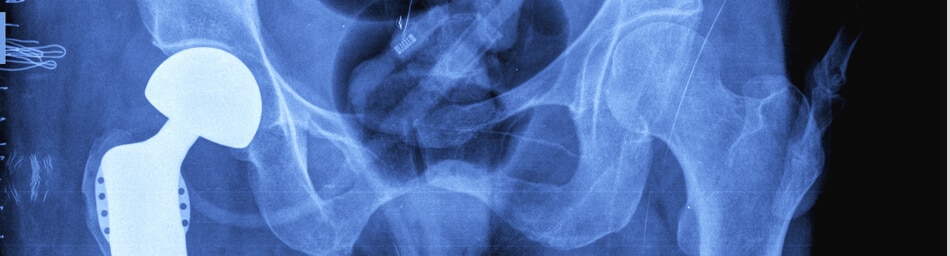
While some medical device manufacturers already have had their “day in court,” other medical device manufacturers, such as Smith & Nephew, continue to face multiple hip replacement lawsuits in multidistrict litigation.(8) Multidistrict litigation allows many similar suits, in these cases defective hip replacements, to be combined for pretrial discovery and representative bellwether trials.
Weitz & Luxenberg is currently accepting clients who received faulty Smith & Nephew Modular SMF, Modular REDAPT, or EMPERION hips during hip replacement procedures and have had to undergo revision or are experiencing certain complications as a result of their implanted devices.
In addition to certain Smith & Nephew hips implants, we are also helping people who have had trouble with these other manufacturers’ hip replacement devices:
If you had to undergo a hip implant revision surgery because of medical complications, have been advised to undergo a revision implant procedure, or are experiencing severe pain or other debilitating symptoms as a result of metal-related complications or implant fracturing, we urge you to contact us immediately.
Components of metal-on-metal hips may contain the metals chromium and cobalt. These metals have the potential to damage surrounding tissue when the components rub against each other. The friction can wear the surfaces down and metal particles can then be released and absorbed into neighboring tissues.(9)
Get a free consultation and more information about your legal options, please contact us today.
Get a Free Case ReviewPotential metal-related implant complications may include:(10)
The Smith & Nephew EMPERION modular hip system has been linked to implant stem fracturing or breakage. If either complication occurs, you could potentially require a revision surgery and replacement of the implant. The Australian Joint Registry identified the Emperion as having twice the rate of revision as other primary total hip replacements.(11) (12) (13) (14)
If you have experienced severe medical complications, including revision surgery, related to a faulty hip implant, we urge you to contact Weitz & Luxenberg immediately. One of our attorneys with experience with defective hip replacement devices can help you consider possible legal courses of action.
In recent years, each of these manufacturers has initiated hip implant recalls:
For the latest information about hip implant recalls, as well as other medical devices, you can visit the U.S. Food and Drug Administration (FDA) medical device recall database.
The “FDA uses the term ‘recall’ when a manufacturer takes a correction or removal action to address a problem with a medical device that violates FDA law.”(23) Manufacturers may recall a medical device when it is defective, when it poses a potential risk to people’s health, or both, which all of these manufacturers have done. The FDA may also initiate a recall if a device manufacturer refuses recall a product linked with “significant health problems or death.”(24)
The FDA categorizes recalls based on a medical device’s risk potential. For example, a Class 1 recall is the most serious. In these instances, there is a “reasonable probability” using or being exposed to the defective device will “cause serious adverse health consequences or death.”(25)
A Class 2 medical device recall involves “a situation in which” using or being exposed to the defective device could “cause temporary or medically reversible adverse health consequences.”(26)
A Class 3 recall means the device is defective but “is not likely to cause adverse health consequences.”(27)
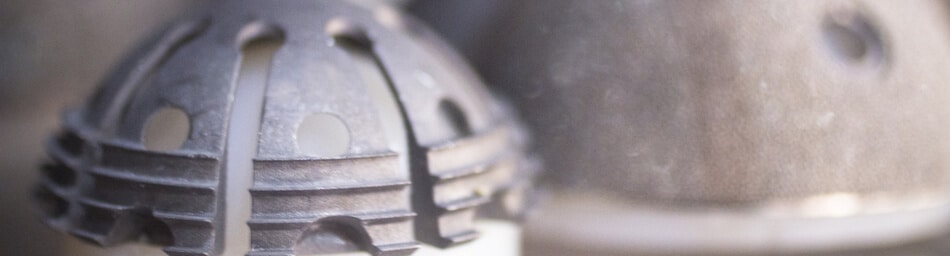
Nearly 40 years ago, surgeons performed the first FDA-approved total hip replacement surgery(28). The implant inserted at that time “had a smooth, polished stainless steel stem and a plastic socket. Both pieces were cemented or glued into place.”(29)
We would feel privileged to assist you. For a free consultation and more information about your legal options, please contact us today.
(917) LAWYERSPatients considering having a hip replacement surgery back then had few choices of hip implants available to them.(30) Today, many more hip replacement options exist.
If you perform an Internet search, you discover a number of manufacturers offering a variety of hip replacement devices. According to the School of Medicine and Public Health at the University of Wisconsin-Madison, however, “extensive joint-replacement advertising” is targeting “younger patients with promises of restored function.”(31)
Restored function to a worn hip joint may be a good thing, particularly for those with debilitating osteoarthritis, “the most common reason” people undergo hip replacement surgery.(32)
“While it’s true that procedures like resurfacing have made hip…replacements more attractive to an even wider pool of patients,” the reality is that major joint replacement surgery is not routine and free of drawbacks.(33)
Faulty hip implants can be devastating. The “long-term ramifications of a failed joint replacement — decreased function, less pain relief and extended recovery time — can have a significant effect on a patient’s quality of life. And every hip-revision surgery increases the chances of complications.”(34)
Some degree of pain, immobility, and inconvenience can be expected following a hip replacement procedure. However, extreme or severe ongoing complications should not be taken lightly.
If you have undergone a hip replacement revision, or corrective surgery, or if you have suffered extreme medical complications following a hip implant procedure, we urge you to contact Weitz & Luxenberg. One of our attorneys will be happy to provide you with information and guidance about your legal options.
As a national law firm with almost 40 years of experience in handling large-scale defective medical device lawsuits. Weitz & Luxenberg attorneys have represented thousands of clients over years, and our firm has a history of winning. We would feel privileged to assist you.
For a free consultation, you may call us at (917) LAWYERS or complete the form on this web page, and one of our attorneys will contact you shortly.
Although a past record does not guarantee future success, Weitz & Luxenberg has the experience and resources necessary to stand up to the large manufacturers of defective medical devices.
Doctors who don’t specialize in mesothelioma diagnosis may overlook symptoms experienced by individuals at risk for mesothelioma, delaying proper diagnosis and legal action. In fact, the symptoms of mesothelioma can occur from many other medical conditions.
Getting an accurate mesothelioma diagnosis as soon as possible is absolutely critical. The sooner the mesothelioma is identified, the sooner you can receive appropriate treatment.
Patients diagnosed with mesothelioma in its early stages may live several years. Those diagnosed with mesothelioma in its advanced stages may only live a year or less.
Hear From Our Clients
My experience with Weitz & Luxenberg was great. The representative was very polite, she listened to me, explained the process thoroughly, and there was no wait time. I would definitely feel comfortable recommending anyone to this firm.”
K.P., via Google Reviews
According to the American Cancer Society, estimated survival rates for malignant pleural mesothelioma depend on many factors, including how widespread the mesothelioma is at time of diagnosis. The lower the stage, the better the projected prognosis. The American Cancer Society, while acknowledging that these survival rates are only estimates and can’t predict what will happen to any individual person, provides the following estimated survival rates based on the Surveillance, Epidemiology, and End Results (SEER) database, overseen by the National Cancer Institute (NCI):(1)
In general, mesothelioma has a poor prognosis. The median survival rate for people diagnosed with pleural mesothelioma is only about 12 to 14 months.(2) An accurate diagnosis of pleural malignant mesothelioma is important, so you may discuss appropriate treatment options. The outlook may be much more positive for those diagnosed in the earliest stages of mesothelioma.
Doctors who simply ask about your symptoms are not going to be able to make an accurate diagnosis of mesothelioma. Doctors who do not specialize in mesothelioma may not recognize the possibility that the symptoms may indicate mesothelioma.(3)
To avoid a mesothelioma misdiagnosis, patients should seek help from a specialist. A knowledgeable and experienced specialist does not rely on your symptoms alone in making a diagnosis of mesothelioma.(4)
A doctor should perform a complete physical exam, ask questions about your medical and asbestos exposure history, and rely on the appropriate diagnostic tests. Getting a correct diagnosis of mesothelioma as soon as possible is important.
Diagnosed with mesothelioma after being exposed to asbestos? Explore your legal options with a free consultation.
Get a Free Case Review
Symptoms of mesothelioma may include:(5)
As you read the list, you can see how many of the symptoms may occur from other illnesses or diseases. For example, you might have a similar set of symptoms if you have the flu.
Other possible medical conditions that mesothelioma might be mistaken for include:
Even something as common as stress can produce these types of symptoms.(13)
Doctors have misdiagnosed mesothelioma as other medical conditions. Sometimes the diagnosed medical condition is far less serious than mesothelioma.(14)
One example is a woman who was diagnosed as having a type of benign local tumor. This misdiagnosis occurred even though the woman had a surgical biopsy taken. By the time she was diagnosed correctly seven months later, her symptoms had become much worse.(15)
Mesothelioma has also been misdiagnosed as another type of cancer affecting the lungs, adenocarcinoma.(16) Although these two cancers are similar in some ways, they require different treatment protocols.(17)
Mesothelioma can be misdiagnosed because it can resemble other forms of cancer. For example, pleural mesothelioma forms in the lining of the lungs, but other types of cancer can develop close by or spread from other parts of the body. Doctors need to identify specific characteristics of cancer cells to determine if a patient has mesothelioma.(18)
Also, if doctors are not aware that a patient was exposed to asbestos, they may not suspect mesothelioma. The link between this form of cancer and asbestos exposure is well established.(19)
As a rare disease, mesothelioma is not something many doctors are familiar with or trained to diagnose. An experienced, knowledgeable specialist does not rely on a hunch. Mesothelioma is diagnosed based on an examination of tissue obtained from a biopsy of the affected areas.
Biopsy samples can be viewed under a microscope. Different types of biopsies are possible.(20)
In needle biopsies involving the chest cavity, a doctor inserts a long, hollow needle through the skin between the ribs and into the pleura. This lets the doctor get a sample of the pleural tissue and fluid surrounding the lungs. Sometimes a doctor needs to collect a sample from the lymph nodes.
Were you or a loved one diagnosed with mesothelioma? Call for a free legal consultation
(917) LAWYERSAnother procedure used to diagnose mesothelioma is called an endoscopic biopsy. In this procedure, the doctor inserts an endoscope — a thin, tube-like instrument with a tiny light and lens on the end. This instrument allows the doctor to look inside and take a biopsy at the appropriate spot.
Depending on where the doctor is looking, the procedure is called different names:
A specially trained doctor may also perform an endobronchial ultrasound needle biopsy. For this procedure, the doctor passes a bronchoscope down the throat and into the windpipe.
The bronchoscope is another long, thin, flexible tube. An ultrasound device is positioned at its tip.
The doctor can then see nearby lymph nodes and can also take a biopsy sample.
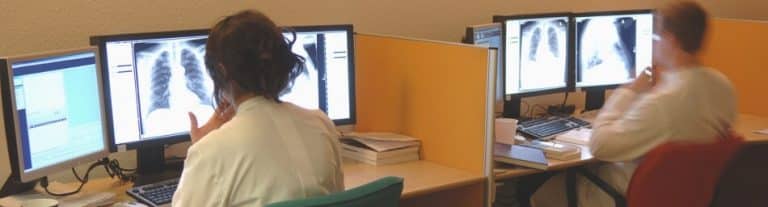
An even more invasive procedure called a thoracotomy is sometimes necessary to diagnose mesothelioma since it is such a rare cancer.
For this procedure, the surgeon has to make an incision in the chest to obtain a sample of pleural cells.
After samples are collected, trained medical professionals evaluate the samples using a variety of laboratory tests. If the diagnosis is mesothelioma, a specialist examines the cells even more carefully to determine the type:
If the doctors make a mesothelioma diagnosis, they may also perform a variety of pulmonary function tests. These can help determine how well a patient’s lungs are functioning.
After doctors have diagnosed mesothelioma in a patient, they carefully consider all the information collected. The doctors then recommend a treatment plan.
In cases of mesothelioma, a carefully designed treatment protocol may have a significant impact on the patient’s overall prognosis and quality of life. A second opinion may be helpful in confirming a mesothelioma diagnosis.
For almost 40 years, Weitz & Luxenberg has dedicated itself to helping victims of mesothelioma and their families. This disease may be rare, but it is devastating.
Choosing the right medical specialists to diagnose and treat your mesothelioma is essential. Selecting the right law firm to represent you is equally important. You need experienced attorneys to get you the compensation your family deserves.
Weitz & Luxenberg was founded to help people who had developed mesothelioma and their families. For decades, we have worked to help our clients get the compensation and resolution they deserve.
We feel strongly that the companies that knowingly exposed people to asbestos, a known carcinogen, should be held responsible. We have made it our mission to do everything legally possible to bring about justice for our clients.
As a national law firm, we have secured billions of dollars in verdicts and settlements on behalf of our clients. While we cannot guarantee any results, we guarantee that we strive for the best possible outcome on your behalf. We also only receive a fee if we are successful in recovering compensation for you.
An initial consultation is free, and we can provide you with guidance regarding your legal options. Please do not hesitate to contact us by calling (917) LAWYERS or completing the form on this page. One of our representatives will be in touch with you shortly.
Updated May 2025
The news went from bad to worse. The doctor told you, you had broken your leg; specifically, the part of your thighbone a little above your knee. Then she showed you the X-rays.
The break in your bone was not simple or clean. In fact, the broken parts looked like fragments coming off your thighbone.
However, your doctor told you that you’d be able to walk again with the implantation of a device intended to stabilize the fracture.
The device your doctor implanted was called the DePuy Synthes 4.5mm VA-LCP Curved Condylar Plate. Your doctor said it was specifically intended for fractures like yours where there were multiple fragments of the thigh above the knee — what is called the distal femur.
You hoped everything would turn out fine. But it did not.

At a follow-up checkup, perhaps just weeks after you underwent surgery, your doctor explained the DePuy Synthes 4.5mm VA-LCP Curved Condylar Plate device had fractured. Your doctor showed you the X-rays, and you could not understand how something like this could happen. But it had.
Your only option was to go through surgery all over again. And this time it would be even more complicated because your doctor would have to redo all the work that had already been done, as well as correcting any damage caused by the device.
Unfortunately, the DePuy Synthes 4.5mm VA-LCP Curved Condylar Plate is linked to early fracturing and bending resulting in implant failure.
Weitz & Luxenberg is now accepting clients who received a DePuy Synthes 4.5mm VA-LCP Curved Condylar Plate who needed to undergo a revision, or corrective, surgery due to bending or fracturing of this medical device. Or, if you have not yet undergone a revision surgery but your doctor advised you to undergo one, we invite you to contact us.
If you recently underwent surgery to repair a severe fracture of your thighbone above the knee (a distal femur fracture) because the bone had broken into several fragments, we urge you to contact your doctor to see if you received a DePuy Synthes 4.5mm VA-LCP Curved Condylar Plate.
If have already undergone or need to undergo a revision surgery due to early bending or fracturing of this device, you may be eligible to pursue legal compensation.
You may be entitled to compensation for:
Ellen Relkin, W&L’s Drug & Medical Device Litigation Unit Practice Group Chair, works alongside other Weitz & Luxenberg attorneys to successfully handle complex medical device lawsuits, and has decided to pursue these cases.
“This device is particularly concerning because the plate may fracture without you knowing it: some patients simply start experiencing pain. A bent plate may show up only if the patient has X-rays taken, though this compromised hardware is putting the patient at risk of serious complications,” Ms. Relkin points out. She adds, “I hope anyone who was implanted with this device has seen a doctor and has undergone or is planning to undergo a revision surgery if they have had a break or bending of the plate. That is the only way to fix the problem.”
We can provide you with legal guidance regarding your options for pursuing compensation.
We offer a free consultation. Please call us at (917) LAWYERS to speak with one of our representatives. Or, if you prefer, you can submit the form on this page.
When someone breaks a leg and the fracture occurs in the thighbone a little above the knee, doctors may choose the DePuy Synthes 4.5mm VA-LCP Curved Condylar Plate in an attempt to stabilize the fracture. The plate looks something like a metal
ruler.(1)
To attach the plate to the thighbone, doctors use types of metal screws. The plate has holes in it through which a surgeon attaches screws directly to the thighbone and knee.(2)
The plate contains multiple screw holes. Surgeons decide which and how many screw holes to use depending on the patient and the location and complexity of the fractures.(3)
The DePuy Synthes 4.5mm VA-LCP Curved Condylar Plate System has been approved by the FDA for “buttressing multi-fragmentary distal femur fractures including: supracondylar, intra-articular and extra-articular condylar fractures, periprosthetic fractures, fractures in normal or osteopenic bone, and non-unions and malunions.”(4) (5) (6)
Recent studies and adverse event reports suggest the DePuy Synthes 4.5mm VA-LCP Curved Condylar Plate is linked to early mechanical failure. The plate itself can fracture or bend inside a patient under normal loading conditions (only supporting body weight).(7) (8) (9) (10)
When the DePuy Synthes 4.5mm VA-LCP Curved Condylar Plate bends or fractures, the device has failed. What that means for patients is that they need another surgery to remove the broken plate, repair any damage, and implant another device to fix the original broken thighbone.
What is particularly concerning is that the DePuy Synthes 4.5mm VA-LCP Curved Condylar Plate system may fracture and fail just weeks after a patient has undergone surgery.(11)

Researchers of one study compared the DePuy Synthes 4.5mm VA-LCP Curved Condylar Plate system and two other types of repair systems: a less invasive stabilization system (LISS) and a system using locking condylar plates (LCPs). They found the DePuy Synthes 4.5mm VA-LCP Curved Condylar Plate system exhibited a significantly greater failure rate for certain types of fractures, as well as significantly earlier failure, compared to the other fracture repair systems.(12)
The researchers even cautioned surgeons against using the DePuy Synthes 4.5mm VA-LCP Curved Condylar Plate system for “metaphyseal fragmented distal femur fractures.”(13)
The researchers of another study were curious if filling the unused open screw holes in the DePuy Synthes 4.5mm VA-LCP Curved Condylar Plate system would prevent bending, fracturing, and early mechanical device failure. They found that filling these unused open screw holes did not make a difference, noting “the design leaves a thin section of plate near the outer edge of the hole which reproducibly fails under cyclic loading.”(14)
According to the U.S. Food & Drug Administration (FDA)’s Manufacturer and User Facility Device Experience (MAUDE) database, the DePuy Synthes 4.5mm VA-LCP Curved Condylar Plate system is linked to hundreds of reports of pain, infection, and breaks and fractures. Breaks and fractures require revision surgery to correct.
Examples of complications described in the MAUDE database include:
Were you implanted with a DePuy Synthes 4.5mm VA-LCP Curved Condylar Plate after experiencing a fracture to an area of your thigh above your knee called the distal femur? If so, the attorneys at Weitz & Luxenberg encourage you to check with your doctor to see how the device is holding up if you are experiencing pain or inability to bear weight.
A break or fracture of the DePuy Synthes 4.5mm VA-LCP Curved Condylar Plate means the device failed. The only way to fix the problem is with a revision surgery.
At Weitz & Luxenberg, we are encouraging anyone who received this medical device and required a revision surgery to contact us. Our medical device attorneys may be able to help you.
You may be entitled to compensation. DePuy Synthes, the manufacturer of the 4.5mm VA-LCP Curved Condylar Plate, has not recalled this device, this particular medical plate system appears to be linked to bending and fracturing.
Bending or fracturing of the DePuy Synthes 4.5mm VA-LCP Curved Condylar Plate is serious.
For those of you who may have received this device and have not yet undergone a revision surgery but are experiencing symptoms of pain or inability to bear weight, we urge you to check with your doctor to see if the device has failed. If it has failed, you should determine if you need to undergo a revision surgery. If you do, our medical device attorneys may be able to help.
Please do not hesitate to contact us. We may be able to file a defective medical device lawsuit against the manufacturer for its failing device. The manufacturer should be held responsible for costs you incurred to have the device removed and replaced.
In addition, you may be entitled to compensation for pain and suffering and loss of income if you were unable to work, as well as other related medical expenses.
Filing a lawsuit against a major medical device manufacturer may seem intimidating, but Weitz & Luxenberg can help you. We are a national law firm, and our attorneys have almost 40 years of experience handling complex medical device lawsuits.
We also have a solid history of winning. In fact, we have secured more than $26 billion dollars in verdicts and settlements on behalf of our clients.
Please, let us help you. We offer a free consultation and can assist you in evaluating your legal options.
Feel free to call us at (917) LAWYERS or fill out the form on this web page.
Although a past record does not guarantee future success, Weitz & Luxenberg has the experience and resources necessary to stand up to large-scale medical device manufacturers when their products fail and cause you pain and suffering.
Weitz & Luxenberg P.C. is investigating the sources and consequences of PFOA water contamination in Merrimack, New Hampshire.
This chemical makes people sick; it is dangerous. If you live or work in this vicinity, your water may be affected.
PFOA is a toxic chemical used in manufacturing. A synthetic acid and surfactant, PFOA is used in nonstick pots and pans, dental floss, floor wax and strippers, and treatments to make clothing and upholstery resistant to spills and stains. PFOA remains in the environment long after its disposal, continuing to cause harm.
Weitz & Luxenberg attorneys advocate for communities across the United States who have suffered harm from the actions of big companies who pollute the environment. One such case, against powerful oil companies, settled for $423 million. Weitz & Luxenberg not only helped clients gain compensation, but also helped ensure cleanup and repair of the environmental damage that was done.
Robin Greenwald, Practice Group Chair of Weitz & Luxenberg’s Environmental Pollution team, says, “Be assured that our legal system can work for you. With the right representation you can receive the compensation you deserve.”
She adds, “We will not allow the parties responsible for contaminating your water to get away with their injurious actions. The Environmental Unit at Weitz & Luxenberg is staffed with attorneys who are familiar with litigating against large companies, have experience with water contamination cases, and will fight on your behalf to see that justice is done.”
Merrimack is not alone. Weitz & Luxenberg has already filed a water contamination class action lawsuit on behalf of residents of Hoosick Falls, New York. Saint-Gobain Performance Plastics and Honeywell International are the sources of the PFOA water contamination there.
W&L is suing these firms on behalf of the residents who are suffering from medical complications and loss of property value. Our attorneys are fighting for the compensation our clients deserve for any pain and suffering they are going through and for medical monitoring in the future.
A similar situation is happening in Petersburgh, New York. Weitz & Luxenberg has already filed a water contamination class action lawsuit on behalf of sick residents against Taconic Plastics.
Weitz & Luxenberg Merrimack PFOA water contamination lawyers are ready to assist residents of Merrimack in exercising their legal options as well. Our firm has an experienced legal team dedicated to holding the responsible companies accountable for damage you suffered due to the contamination of your water supply. If you or a family member has been injured by unsafe environmental business practices, we would like to hear from you.
Doug Alden of the New Hampshire Union Leader reported in March 2016 that samples from the Water District had PFOA levels that were between 17 and 90 parts per trillion.(1) More than a quarter of the wells tested by late June 2016 that are within 1.5 miles of the current Saint-Gobain plant had PFOA levels higher than the recommended federal standard.(2) The U.S. Environmental Protection Agency’s Provisional Health Advisory for PFOA is 70 parts per trillion.(3)
An October 2017 New Hampshire Department of Health and Human Services report has revealed results from a first round of blood testing. The results indicate that Merrimack residents have been exposed to PFOA through their drinking water.(4) The report finds, “Customers on public water in Merrimack and Bedford, NH, have been exposed to perfluorooctanoic acid (PFOA) at higher levels than the general U.S. population….”(5)
Waste from Chemfab was dumped in a landfill in Shaftsbury, Vermont.(6) The attorneys at Weitz & Luxenberg suspect that landfill is a high source of PFOA contamination.
Weitz & Luxenberg attorneys plan to take the necessary measures to seek full compensation for injuries suffered from whoever is determined accountable.
Possible compensation may include:
The attorneys at Weitz & Luxenberg are experienced, caring advocates who fight the legal battles on your behalf. As a knowledgeable, compassionate legal team, they plan to pursue a Merrimack PFOA water contamination lawsuit for you, your family members, your friends, and your neighbors to see that justice is done and that remedies are put into place.
If you are a victim who has been made ill by your water, you are in need of our Merrimack PFOA water contamination lawyers. Contact W&L for a free consultation as soon as possible. Become a part of the Merrimack solution.

PFOA is a toxin and known carcinogen, according to the American Cancer Society. Individuals who ingest PFOA may face a greater risk of developing numerous types of cancer, including cancer of the:
Long-term exposure to high levels of PFOA is associated with a number of illnesses. At a level of just 0.5 parts per trillion or more, PFOA may damage the thyroid gland, digestive tract, and reproductive systems, as well as raise a person’s cholesterol level.
PFOA can be especially harmful for infants and unborn children. PFOA-linked developmental issues include:
PFOA-linked conditions in adults include:
These are the types of harms that may entitle you to compensation. You are not responsible for the harm being done to you. Holding the responsible company accountable is the fair thing to do.
“Weitz & Luxenberg attorneys work through the legal system on your behalf to assure you are justly compensated for injuries you have suffered. We will force responsible companies to clean up their mess and ensure that the water you drink is safe and free of PFOA,” says Ms. Greenwald.
You may be eligible to participate in a lawsuit, depending upon your particular circumstances. An evaluation of your situation depends upon a number of criteria such as:
After you consider these criteria, if you or a family member feel you have been harmed by PFOA contaminated water, contact Weitz & Luxenberg for a free consultation.
Weitz & Luxenberg knows that the best way to help the residents of Merrimack is with a lawsuit. A Merrimack PFOA water contamination lawsuit assists residents in attempting to claim monetary compensation for personal injury, depending on their personal circumstances.
Weitz & Luxenberg attorneys have proved successful as water contamination attorneys in other cases. We know how to use the court system to seek the relief you deserve. Please complete the form provided or phone us at (917) LAWYERS.
Let Weitz & Luxenberg fight for you.
According to the Wells Fargo insurance fraud lawsuit, Wells Fargo and National General Insurance joined together in an effort to swindle customers out of millions of dollars for car insurance they did not need. The scheme began in at least 2012 and continued for several years.
Then, on July 27, 2017, The New York Times exposed the Wells Fargo auto insurance scandal to the public. According to the article, an investigation revealed that more than 800,000 Wells Fargo customers may have been blindsided by the deception.(1)
Weitz & Luxenberg wasted no time initiating a Wells Fargo insurance fraud lawsuit. On August 29, 2017, the firm filed a class action complaint against both Wells Fargo and National General Insurance.
We have filed this Wells Fargo insurance fraud lawsuit on behalf of our clients. They are among the more than hundreds of thousands of auto loan customers cheated out of millions of dollars for auto insurance they did not need or want.
Close to 250,000 of these customers may have fallen behind in paying premiums they never agreed to pay. Of these, almost 25,000 customers may have had their cars unlawfully repossessed.
When Wells Fargo customers arranged their auto loans, the bank passed along their private information to National General Insurance, and schemed to impose unneeded collateral protection insurance.
Instead of verifying that customers had car insurance, National General Insurance issued the customers car insurance policies and automatically deducted premiums from customer bank accounts.
These premiums were generally excessive, costing customers more money than they would be asked to pay for other auto insurance policies, which they already had. Thus, both companies bilked thousands of customers.
“Their credit ratings have dropped, many are in debt, and many have lost their cars through repossession. Wells Fargo and National General Insurance need to rectify this situation immediately.”
Partner Paul Novak, the managing attorney of Weitz & Luxenberg’s Detroit office, is playing a key role in what has now become a multidistrict litigation against Wells Fargo and National General Insurance. He is serving on the Plaintiffs’ Steering Committee, an important leadership committee.
A federal judge appointed Mr. Novak to this leadership committee just months after Weitz & Luxenberg initiated the class action complaint against Wells Fargo and National General Insurance.
Our Wells Fargo lawsuit claims Wells Fargo knowingly deceived customers by issuing unnecessary auto Collateral Protection Insurance (CPI) policies customers did not need or agree to purchase. Wells Fargo had access to customer bank accounts and automatically deducted CPI insurance premiums without authorization.
Beginning at least in 2012, Wells Fargo joined with National General Insurance to perpetrate an auto insurance scam that would end up harming more than 800,000 Wells Fargo customers. The deceit began when customers arranged car loans with Wells Fargo.(2)
Wells Fargo customers gave the bank private information necessary to finance the purchase of a car. What customers did not know was that Wells Fargo was passing that private banking information along to National General Insurance.(3)
According to The New York Times, National General Insurance “was supposed to check a database to see if the owner had insurance coverage. If not, the insurer would automatically impose coverage on the customers’ accounts, adding an extra layer of premiums and interest to their loans.(4)
“When customers who checked their bills saw the charges and notified Wells Fargo that they already had car insurance, the bank was supposed to cancel the insurance and credit the borrower with the amount that had been charged.”(5)
Many customers noticed the inappropriate charges, but when they repeatedly contacted Wells Fargo, the bank ignored their concerns. Other customers may not have noticed the money for these extra auto loan premiums being deducted from their bank accounts because they were being paid automatically.(6)
According to The New York Times, “The expense of the unneeded insurance, which covered collision damage, pushed roughly 274,000 Wells Fargo customers into delinquency and resulted in almost 25,000 wrongful vehicle repossessions.”(8)
As The New York Times points out, “Wells Fargo automatically imposed the insurance through its Dealer Services unit.” This lender-placed auto insurance may in fact be “considerably more expensive than insurance” customers could purchase on their own.(10)
Since its founding more than 30 years ago, Weitz & Luxenberg has made it our mission to represent clients who have been harmed by the reckless, irresponsible conduct of others. We are particularly concerned when large companies act in their own self-interest, thinking only of their profits and nothing of the people they are harming.
As a national firm, we have the resources to stand up to large, seemingly untouchable companies such as Wells Fargo and National General Insurance. We also have a solid history of winning, securing billions of dollars on behalf of our clients, sometimes in settlements and sometimes in jury verdicts.
Although a past record does not guarantee future success, Weitz & Luxenberg has the experience and resources necessary to stand up to large, national corporations.
For patients with osteoarthritis, any relief from knee pain and other uncomfortable arthritis symptoms may seem like a good thing. However, sometimes something marketed as a remedy can cause a worse problem.
The manufacturer of one type of an injectable knee arthritis gel has voluntarily recalled more than 12,000 potentially contaminated syringes.
The name of the manufacturer is Sanofi Genzyme. The name of the recalled contaminated knee arthritis syringes is Synvisc-One.
Contamination of any kind can be serious because of possible adverse reactions to the contaminant, in this case a gram-negative bacteria.
Weitz & Luxenberg is currently accepting cases of people who were administered a recalled contaminated Synvisc-One syringe injection for the osteoarthritis in their knee and suffered serious complications.
We are also interested in hearing from you if a loved one received this type of shot and experienced severe complications, or even died.
A recalled lot of Synvisc-One arthritis syringes were found to be potentially contaminated with gram-negative bacteria. These bacteria pose unique risks because they can result in infections that are resistant to many types of antibiotics. This means treating a gram-negative bacterial infection can be difficult.(1)
Sanofi Genzyme has notified the public that possible complications from a Synvisc-One syringe injection include:(2)
We are interested in hearing from people who suffered serious Synvisc-One injection side effects within one week of receiving an administration of the gel.
We are accepting Synvisc-One lawsuits on behalf of those harmed by contaminated Synvisc-One syringes that were recalled.
The potentially contaminated Synvisc-One arthritis syringes were from one lot: lot identification number 7RSL021. These syringes were distributed from October 25, 2017, through early November. The manufacturer recalled these syringes on December 11, 2017.
These shots are administered directly to the knee joint in an effort to alleviate pain and other symptoms caused by osteoarthritis. Some Synvisc-One shots people received, however, may have been contaminated.
Contaminated shots could inject harmful bacteria directly into the knee joint, potentially resulting in infections and other side effects.

If you suspect you received a contaminated injection, we advise you to contact your doctor to see what injection you received.
If you are not sure if your injection was part of the recalled lot, reach out to us. Our attorneys are trained to investigate details regarding contaminated pharmaceuticals and medical devices.
We encourage you to contact us now at or by filling out the form available on this page. One of our representatives will be in touch with you shortly.
Our attorneys can advise you of your legal rights and provide guidance regarding a potential Synvisc-One lawsuit. The consultation is free.
You may be eligible for compensation for:
On December 11, 2017, Sanofi Genzyme voluntarily recalled more than 12,000 distributed syringes of the 18,000 syringes in lot number 7RSL021 due to possible contamination. The syringes contained injectable arthritis gel used in an effort to alleviate pain and other symptoms of knee osteoarthritis.(3)
The syringes in this lot were linked to dozens of adverse events reported in the FDA Manufacturer and User Facility Device (MAUDE) database.(4)
In its notice to hospitals, physicians, and clinics, manufacturer Sanofi Genzyme said the syringes affected by the urgent voluntary Synvisc-One recall were distributed between October 25 and November 7, 2017. The company initiated the recall because “investigational testing revealed the presence of microbial contamination.”(5)
At that time, Sanofi Genzyme said its recall was “being conducted with the knowledge of the US Food and Drug Administration” and that is was “working with your distributors to ensure that all product in lot 7RSL021 is returned.”(6)
“Use of this recalled lot may result in a risk of infection and therefore, we are asking that you follow the required actions below to assist us in retrieving any remaining units of this voluntarily recalled lot.”(7)
Sanofi Genzyme asked recipients of its notice to “Immediately discontinue use of the Synvisc-One lot number 7RSL021” and that “Health Care Professionals should treat their patients exposed to lot 7RSL021 in accordance with standard of care, being aware of the potential of a Gram negative infection.”(8)
On December 19, 2017, the recall was posted in the news section of the Sanofi company website. The page included contact numbers for doctors who had received contaminated syringes.(9)
One week before issuing its voluntary Synvisc-One injection recall, Sanofi Genzyme sent an urgent “product hold” notice to doctors, pharmacists, and clinics instructing them not to dispense or administer the medication. The manufacturer said that particular lot of Synvisc-One was linked to “an unexpected increase in the number of labelled adverse events…”(10)
The recalled Synvisc-One syringes were manufactured at Sanofi Genzyme’s plant in Ridgefield, New Jersey. These syringes were distributed in 36 states.(11)

Synvisc-One was approved by the U.S. Food and Drug Administration (FDA) in 2009. Sanofi Genzyme has noted that common Synvisc injection side effects include pain, redness, swelling, heat, and fluid build-up in or around the knee.(12)
The active ingredient in Synvisc-One is hyaluronan. The manufacturer extracts the hyaluronan from chicken combs. A chicken comb is the crest you see on top of a chicken’s head. You can also find hyaluronan in human joints.(13)
As an injected gel, Synvisc-One is used in an effort to lubricate and cushion the knee joint.(14)
Patients may receive this arthritis injection gel in an orthopedic surgeon’s or rheumatologist’s office. A typical injection is supposed to provide pain relief for up to six months.(15) (16)
In 2016, Synvisc-One generated more than $400 million in sales.(17)
According to The Boston Globe, the FDA warned Genzyme in 2001 about manufacturing problems at the company’s plant in Ridgefield. At that time, Genzyme manufactured an earlier version of Synvisc.(18)
The FDA instructed Genzyme to address the problems at its manufacturing facility. Otherwise, it warned, the company could face severe consequences.(19)
The FDA also raised the concern that Genzyme had not demonstrated the company had adequately looked into complaints about its Synvisc gel.(20)
A report received by Synvisc-One’s manufacturer on December 8, 2017 describes a patient who required a joint aspiration and then surgery for her infection in an attempt to flush out the knee arthritis gel after receiving an injection from the recalled lot.“
Currently, the FDA’s MAUDE database provides descriptions of dozens of reports of adverse events linked to Sanofi Genzyme’s Synvisc-One recalled lot of contaminated injectable arthritis syringes.(21)
Some of the cases describe patients requiring outpatient treatment as a result of receiving a contaminated injection. Such treatments included fluid aspiration, cortisone injections, and corticosteroid or pain medication prescriptions. According to other reports, some patients visited an emergency room, required hospitalization, or both.(22)
A report received by Synvisc-One’s manufacturer on December 8, 2017 describes a patient who required a joint aspiration and then surgery for her infection in an attempt to flush out the knee arthritis gel after receiving an injection from the recalled lot.(23)
Another report describes a woman who received an injection from the recalled lot of Synvisc-One who was diagnosed with “pseudo-sepsis” requiring several days of treatment in the hospital.(24)
Common concerns include a patient’s inability to walk or bear weight. Other adverse events include:(25)
You may be entitled to pursue compensation from the manufacturer if you or a loved one received a contaminated injection of a Synvisc-One recalled syringe knee arthritis gel.
Please contact us if you received a contaminated Synvisc-One injection between October 25 and December 11, 2017, and suffered an adverse reaction within one week of receiving this injection. Your physician can inform you the name of the injection and lot number you received.
Weitz & Luxenberg is taking cases from people who developed an infection, required a trip to the emergency room, required intervention from their orthopedist or another physician, such as a joint aspiration or cortisone injection, were hospitalized, or died after receiving a contaminated injection of a recalled syringe knee arthritis gel Synvisc-One.
“The manufacturers made the right decision to recall the contaminated syringes in their Synvisc-One injected gel,” said Weitz & Luxenberg’s Drug & Medical Device Litigation Unit Practice Group Co-Chair Ellen Relkin. “However, they also have a responsibility to compensate victims of the contaminated knee arthritis syringes. I hope they will step up and do the right thing.”
If you believe you received a Synvisc-One knee injection from the recalled lot, we encourage you to contact us right away. We offer a free initial consultation and can advise you of your legal options.
Our attorneys have the knowledge and training to initiate Synvisc-One lawsuits on behalf of people who have received a potentially contaminated injection. Weitz & Luxenberg has more than 30 years of experience handling complex defective drug and medical device lawsuits.
We are also a national firm with a solid history of winning. We have secured billions of dollars in verdicts and settlements on behalf of clients who have been harmed by defective products.
Please call or fill out the form on this web page for more information. Our representatives are available to discuss your case with you.
Although a past record does not guarantee future success, Weitz & Luxenberg has the experience and resources necessary to stand up to the manufacturers who sell defective medical products.
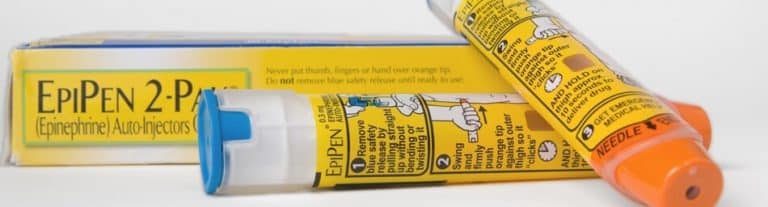
EpiPens and EpiPen Jrs can make the difference between life and death during a serious allergy attack. These devices contain epinephrine, which can help reverse life-threatening allergic responses, such as anaphylaxis. In worst-case scenarios, anaphylaxis can result in death.
Patients and their loved ones need to be confident that EpiPens and EpiPens Jrs will work when needed.
If you or your child was injured or required hospitalization because you believe that your EpiPen or EpiPen Jr malfunctioned, please feel free to contact Weitz & Luxenberg now. Our experienced attorneys may be able to help you.
We are currently investigating cases in which people required emergency room admission, were hospitalized, or died because their EpiPen or EpiPen Jr failed to work properly.
The manufacturers, Mylan and Meridian Medical Technologies (the latter a Pfizer company), have voluntarily recalled 13 lots of EpiPens and EpiPen Jrs after receiving hundreds of complaints of EpiPen products failing to work properly in life-threatening allergic reactions. Mylan and Meridian Medical Technologies issued the recall at the end of March 2017.(1) (2) (3) (4)
A faulty component in the device “may require a person to use increased force to activate the needle, or it may prevent the EpiPen from working at all.”(5)
If your EpiPen or EpiPen Jr came from one of the following lots and you or a loved one was severely injured requiring emergency room admission or hospitalization or resulting in death due to an EpiPen or EpiPen Jr failure to operate correctly, you may be entitled to file an EpiPen lawsuit.
Recalled EpiPen Lot Numbers
Recalled EpiPen Jr Lot Numbers
If an EpiPen or EpiPen Jr failed and your loved one died due to this failure, we urge you to contact us. We may be able to seek compensation from the manufacturers on your behalf.
You can reach us by calling . Or you can fill out the form on this web page. One of our representatives will be in touch with you shortly.

EpiPens and EpiPen Jrs are medications with auto-injector devices used to deliver the medication intramuscularly or subcutaneously. They contain a premeasured dosage of the prescription medication epinephrine. Epinephrine is a hormone (also called adrenaline) that can be used to treat serious or life-threatening allergic reactions.(6) (7)
Doctors may prescribe EpiPens or EpiPen Jrs to patients with severe allergies. Examples of potentially life-threatening allergies include insect bites or stings, and food allergies, such as nuts or eggs.(8)
Sometimes a patient with a severe reaction to an allergen may experience a life-threatening response known as anaphylaxis or go into anaphylactic shock. This response may occur within seconds or minutes of being exposed to an allergen.(9)
Signs of anaphylactic shock may include:(10) (11)
Anaphylaxis is an emergency. The Mayo Clinic instructs people not to “wait to see if the symptoms go away.” It notes if you are carrying “an epinephrine autoinjector (EpiPen), administer it right away.”(12)
According to Brown University, “Epinephrine is the only medicine that relieves all the signs and symptoms of anaphylaxis. It is most effective when it is given promptly, before symptoms become severe.”(13)
At the end of March 2017, the U.S. Food and Drug Administration (FDA) and manufacturers notified the public about 13 lots of defective EpiPens and EpiPen Jrs. The manufacturers, Mylan and Meridian Medical Technologies, voluntarily recalled these defective devices.(14) (15)
At the end of March 2017, the U.S. Food and Drug Administration (FDA) and manufacturers notified the public about 13 lots of defective EpiPens and EpiPen Jrs.“
This recall was initiated because these EpiPen products may contain a defective part. That defect may result in the devices’ failure to activate.(16)
A Pfizer company, Meridian Medical Technologies, and Mylan Specialty manufactured the defective EpiPen and EpiPen Jr lots. Mylan Specialty distributed them.(17)
According to the product label, “consumers should always seek emergency medical help right away after using their EpiPens, particularly if the device did not activate.”(18)
The recalled EpiPen and EpiPen Jr lots were distributed between December 17, 2015, and July 1, 2016.(19)
On September 5, 2017, the FDA sent a warning letter to Meridian Medical Technologies. In the letter, the FDA identified “significant violations of current good manufacturing practice (CGMP) requirements” regarding the company’s EpiPens and EpiPen Jrs.(20)
The FDA then instructed Meridian Medical Technologies to correct those violations.(21)
The FDA inspected Meridian Medical Technologies’ manufacturing facility from February 20 to March 24, 2017. The agency concluded that the company’s “methods, facilities, or controls for manufacturing, processing, packing, or holding” did not meet current good manufacturing practice requirements.(22)
The FDA also found that the company’s “combination products are adulterated…” referring to their EpiPen and EpiPen Jr products. These products are composed of both the drug epinephrine and the device, the part that delivers the drug.(23) (24)
A defective EpiPen or EpiPen Jr might not work when needed due to a defect causing failure to activate.(25)
Another serious problem is that some EpiPens have activated spontaneously or leaked out without patients knowing. Then, the medicine was not available for use when the patient needed it.(26) (27)
According to the FDA, Meridian Medical Technologies, a company owned by pharmaceutical giant Pfizer, “failed to thoroughly investigate multiple serious component and product failures” for its EpiPen products. In fact, this negligence on the company’s part occurred even though failed EpiPen products were known by the company to be “associated with patient deaths and severe illness.”(28)
The FDA also noted in its warning letter that Meridian Medical Technologies, Inc. “also failed to expand the scope of [its] investigations into these serious and life-threatening failures or take appropriate corrective actions, until FDA’s inspection.”(29)
In its warning letter, the FDA noted that Meridian Medical Technologies, Inc. received hundreds of complaints regarding failure of its EpiPen and EpiPen Jr products. Consumers reported their EpiPen products had not activated or had activated with difficulty during life-threatening emergencies in spite of patients following the proper sequence of administration.(30)
According to some complaints, patients died because their EpiPen products failed to operate properly.(31)
To make matters even worse, Meridian Medical Technologies did not initiate a recall right away. Instead, the FDA had to discuss its concerns with the company numerous times. In the meantime, the company continued to make EpiPens and EpiPen Jrs until the FDA finished its inspection and investigation.(32)
The FDA also stated in its warning letter that Meridian Medical Technologies, Inc. did not remove “potentially defective products from the marketplace” even though the company had “identified a defect in one of the critical components used to manufacture these products and even though [it] ultimately confirmed the same or similar component defect as the root cause for multiple complaints.”(33)
In one example, the FDA noted the company identified a failing EpiPen part from an auto-injector component in a sample from one lot of the devices. The FDA called attention to the fact that if that part is broken, the auto-injector may not work correctly and deliver the right amount of epinephrine. Although Meridian Medical Technologies rejected that lot and one other, the company did not bother to look for other possibly defective units in associated lots. Instead, the company continued to make EpiPens using that same potentially defective part, even though it “instructed [its] supplier to undertake a full investigation and corrective actions regarding the firing defect…”(34)
In addition, according to the FDA, Meridian Medical Technologies received hundreds of complaints about its EpiPen devices. The company knew there were problems regarding EpiPen product failures. People reported that their EpiPens had failed to work during life-threatening emergencies.(35)

In some cases, patients had subsequently died due to failure of their EpiPen products. Instead of thoroughly investigating these complaints, Meridian continued to make potentially defective EpiPens and EpiPen Jrs.(36)
In another instance, Meridian Medical Technologies received a complaint about an EpiPen that failed to activate. According to the FDA, the company investigated this complaint and found the defective part that prevented the auto-injector from working.(37)
The FDA noted, “This was the same type of manufacturing defect … you confirmed” months earlier. Even then, Meridian Medical Technologies “concluded that the defect was infrequent, even though [it] had not examined all of [its] reserve samples to determine the extent of the defect within the same lot of finished products, nor did [it] expand [its] investigation to other lots.” It also failed to determine if this defect was linked to previously rejected lots, even though its supplier’s investigation was still ongoing. Instead, the company “closed [its] investigation and determined that ‘no market action would be taken.’”(38)
The FDA also noted that while the company “eventually expanded the scope of the investigation into affected product lots and recalled all 13 lots distributed to the United States containing potentially deformed (b)(4), you did so only after our inspection closed and after multiple discussions with FDA.”(39)
Ultimately, the FDA told Meridian Medical Technologies to promptly correct the numerous violations that were cited in its warning letter. Otherwise, it noted legal action “without further notice including, without limitation, seizure and injunction” against the company might be necessary.(40)
Manufacturing defects are not the only issue that the federal government has had with the companies that make and distribute EpiPens.
Mylan, a manufacturer of EpiPens, has agreed to pay the federal government $465 million. The company resolved claims that “it overcharged the government for its EpiPen emergency allergy treatment…”(41)
The settlement with the Justice Department involved “claims that Mylan misclassified the EpiPen as a generic product” rather than a brand-name product, underpaying rebates to state Medicaid programs as a result.(42)
According to the U.S. Department of Health and Human Services’ Office of Inspector General, the federal government “may have overpaid for EpiPens by as much as $1.27 billion between 2006 and 2016.”(43)
According to The New York Times, EpiPen prices have been climbing for a decade. Back in 2007, “pharmacies paid less than $100 for a two-pen set.” Two years later, the cost was $103.50 for a set.(44)
Just four years later, the cost had more than doubled to $264.50. Then, by May 2015, the cost jumped by 75% to $461. Just one year later, the price climbed to $608.61.(45)
Those prices are what a pharmacy pays. What consumers pay varies considerably. The difference in what people pay varies based on their health insurance coverage and formulary plans.(46)
Those with high deductibles and consumers without health insurance may be paying more than $600 a set. Even patients with good health insurance policies have said “their copayments are as much as four times higher than in the past.”(47)
Damage has been reported not only to soybeans; tomatoes, watermelons, cantaloupes, pumpkins, grapes, and tobacco have also been harmed by drifting and volatile dicamba herbicide. (3)
Sadly, the damage dicamba does is not just to crops. People who use it are being diagnosed with liver bile duct cancer. In a recent study, researchers found “the herbicide dicamba was associated with increased risk of liver and intrahepatic bile duct cancers.” (4)
Complaints against the toxic, volatile herbicide dicamba have continued since its approval for in-crop use in 2017. If you are a farmer whose crops have been damaged by dicamba, you know firsthand how harmful this drifting, volatile dicamba can be.
Even more concerning, if you developed liver bile duct cancer after using or being exposed to dicamba, you know how devastating this herbicide is to your health.
Need legal assistance after your crops were damaged by dicamba or you were diagnosed with liver bile duct cancer? Speak to an experienced attorney today for a free consultation.
(917) LAWYERSSince 2017, our dicamba attorneys have been hard at work investigating numerous complaints from farmers involving the weed killer dicamba, and filing claims for anyone whose crops have been damaged. Millions of acres have been damaged.
Exposure to dicamba also can lead to liver bile duct cancer in humans. We don’t yet know how far-reaching the damage is. Hundreds, even thousands, of people across the country may develop this type of cancer after regular exposure to this herbicide.
If your crops have been harmed by dicamba, we encourage you to contact Weitz & Luxenberg immediately. Or if you or a loved one developed liver bile duct cancer, we urge you to contact us. You may be eligible to pursue compensation for your losses.
In February 2018, the Judicial Panel on Multidistrict Litigation (MDL) ordered that all pending dicamba lawsuits be centralized in the MDL in the Eastern District of Missouri.
A Weitz & Luxenberg partner, attorney James Bilsborrow was appointed to the Plaintiffs’ Executive Committee for the MDL. This is a committee of lawyers selected by the MDL court to litigate existing dicamba cases and any others that are filed. The Plaintiffs’ Executive Committee has been litigating the dicamba crop damage cases since early 2018. Mr. Bilsborrow co-chairs our firm’s Environmental, Toxic Torts, and Consumer Protection litigation area.
W&L is a national firm with nearly 40 years of experience and we handle complex environmental lawsuits. For a number of years, we have been battling Monsanto, and winning, on behalf of clients. We also partnered with other firms to stand up to BP for the Deepwater Horizon Gulf Coast oil catastrophe of 2010, helping to reach a settlement of $20 billion on behalf of victims.

In February 2020, the first dicamba property damage case was tried before a jury, resulting in a $265 million verdict against Monsanto and BASF for decimating the Bader peach farm in southeastern Missouri. Because of repeated exposure to dicamba, Bader Farms alleged that its peach orchard was no longer operational.
The largest peach farmer in the state said that dicamba exposure started killing and weakening his fruit trees in 2015. He testified that it happened repeatedly while neighboring farms sprayed their trees. The jury agreed and awarded $15 million in actual damages and an additional $250 million in punitive damages. Bayer, parent company of Monsanto, and BASF were found equally liable.
The three-week trial was just the first of many anticipated. There were “140 similar cases head to U.S. courts,” according to Reuters. (5)
Mr. Bilsborrow played a key role in negotiating with Monsanto regarding its dangerous dicamba pesticide. We helped secure a $400 million settlement on behalf of soybean and other crop producers across the country.
The farmers W&L represented in this MDL came from multiple states. They suffered economic damages due to Monsanto’s negligence. The company decided to commercialize dicamba-resistant seeds. However, they did not provide farmers with a safe formulation of its herbicide to spray over plants grown from those seeds.
With offices across the United States, Weitz & Luxenberg has earned a reputation of responding to environmental catastrophes across the country — wherever they occur — at a moment’s notice.
Whether the crisis involves contaminated drinking water, hazardous waste products, toxic air emissions, or oil spill disasters, Weitz & Luxenberg attorneys are ready. Our attorneys have the knowledge, experience, and fortitude to stand up against Monsanto, BASF, and other large-scale industries and manufacturers.
Lives are at stake. Exposure to dicamba can result in you being diagnosed with liver bile duct cancer.
In the case of dicamba, we realize also that livelihoods are at stake. Dicamba damage to crops could cost farmers millions of dollars.
If you have been affected by dicamba, we urge you to call us now at (917) LAWYERS for a free consultation. Our knowledgeable dicamba attorneys can evaluate your situation and advise you of your legal options.
We are currently accepting cases from farmers whose crops have been damaged by dicamba, a volatile and drifting herbicide. Even the smallest amount of dicamba can destroy crops that are not genetically modified to withstand this weed killer.
As the number of complaints continue to mount, we expect to continue filing dicamba lawsuits on behalf of farmers whose crops have been affected. Specifically, we are taking cases from farmers who have noticed any of these types of dicamba damage to their crops
Farmers are discovering dicamba damage to their crops even though they did not apply this herbicide to their own crops. Rather, neighboring farmers may have applied dicamba to their dicamba-resistant crops. Those “neighbors” could be sometimes miles away or even across state lines.

Dicamba is a “selective” herbicide, or weed killer. You can find dicamba in more than 1,100 products sold across the United States. (6)
“Products containing dicamba may be liquids, dusts or granules.” Sometimes the products are concentrates, and sometimes they are ready to use. (7)
Dicamba acts “like natural plant hormones known as auxins.” Auxins help “control plant growth.” (8)
Farmers can use dicamba on both woody weeds and broadleaf weeds. When farmers apply dicamba to weeds, “they grow in abnormal and uncontrollable ways.” Then, often, the weeds die. (9)
One of the major problems with dicamba, a weed killer, is that it does not stay where you put it. Dicamba can drift, sometimes miles from where it was applied. (10)
Prior to 2016, “dicamba in soybeans was restricted to only preplant and preharvest applications.” Farmers were not allowed to use dicamba on growing plants. (11)
“In 2018, EPA extended the registration for two years for over-the-top (OTT) use (on growing plants) of dicamba to control weeds in cotton and soybeans genetically engineered to tolerate dicamba.” Since then, the EPA has reevaluated dicamba use annually. (12)
Farmers who did not use Monsanto’s genetically modified seeds are suffering serious consequences. Their crops are not resistant to dicamba, and their crops are languishing.
In the heat and humidity, dicamba is particularly volatile. Dicamba “tends to evaporate from the soil or vegetation where it has been sprayed, creating a cloud of plant-killing vapor that can spread in unpredictable directions.” (13) Heat and humidity make the drifting and volatility even worse. (14)
In the heat and humidity, dicamba is particularly volatile. Dicamba ‘tends to evaporate from the soil or vegetation where it has been sprayed, creating a cloud of plant-killing vapor that can spread in unpredictable directions.’ (13) Heat and humidity make the drifting and volatility even worse.” (14)
Even though Monsanto claims its newer versions of the weed killer have “low volatility,” and are less likely to become airborne, dicamba is becoming airborne. Dicamba has spread for miles in some cases. (15)
In addition, according to National Public Radio (NPR), researchers have noted that a lot of the dicamba damage they have seen has not appeared “to come from ‘physical drift’ of windblown droplets of dicamba.” Instead, they have seen hundreds of acres of soybean crops damaged by “what they had feared all along: volatilization.” (16)
When this dicamba vapor lands on crops that are not dicamba-resistant, the result is devastating. Millions of acres of crops have been damaged. (17)
And, according to the New York Times, “So much dicamba is being used that even a small percentage of drift can cause widespread damage.” (18)
As of June 2023, 36 states had filed motions for summary judgment against manufacturers of dicamba. (19)
The damage was so severe that in March 2022, the “EPA approved additional labeling to further restrict use of OTT dicamba in Minnesota and Iowa. … [I]n February 2023, EPA approved additional labeling for Iowa, Illinois, Indiana, and South Dakota. The restrictions are intended to reduce the likelihood of volatility and offsite movement of OTT dicamba by avoiding application on days with high temperatures.” (20)

The drifting, volatile dicamba weed killer and its desiccation of millions of acres of crops is bad enough. If you add in the role Monsanto plays, the problem becomes even greater.
Monsanto not only makes weed killers containing dicamba, the company has engineered the seeds that are resistant to it. According to Reuters, “Monsanto is banking on [its] weed killers using … dicamba — and [its] seeds engineered to resist it — to dominate soybean production in the United States.” (21)
Thanks in part to its dicamba-resistant soybean seeds, “Monsanto’s net sales increased $1.1 billion, or 8 percent, in fiscal year 2017.” (22)
For farmers “who have not bought the expensive new seeds,” this news does not sit well. The concern is that they will either have to buy the new dicamba-resistant seeds or risk losing their livelihood altogether. (23)
For farmers ‘who have not bought the expensive new seeds,’ this news does not sit well. The concern is that they will either have to buy the new dicamba-resistant seeds or risk losing their livelihood altogether.” (23)
To make matters worse, Monsanto has blamed farmers for the problems they have experienced with dicamba. Monsanto’s executives have insisted “the people who sprayed dicamba were just learning how to do it properly and didn’t follow directions.” (24)
In other instances, Monsanto has said, “Farmers or pesticide applicators sprayed dicamba too close to neighboring fields, didn’t clean out their equipment properly or used the wrong nozzles.” (25)
However, researchers have said they have conducted studies in the field and evaluated firsthand the damage to crops. They believe Monsanto misled people about these dicamba formulations. Monsanto’s dicamba products are considerably more volatile than Monsanto led farmers to believe, according to the researchers. (26)
After crops continued to be damaged by dicamba in 2017, the “EPA amended the registrations of all OTT dicamba products.” Growers reported they “had experienced crop damage and economic losses resulting from the off-site movement of dicamba.” (27)
In recent years, the EPA has continued to revise its requirements. The EPA is “also evaluating its options for addressing future dicamba-related incidents. The Agency is committed to helping states address issues related to incidents in their jurisdictions. If a state wishes to further restrict or narrow the OTT uses of dicamba, the Agency will work with each state to support its goals.” (28)
The EPA’s role in regulating dicamba depends on a current president’s prerogatives. In the fall of 2016, the EPA approved dicamba “for use on … Monsanto’s genetically engineered (GE), dicamba-resistant soybeans and cotton. … The following two years saw historically unprecedented levels of ‘off-target’ plant damage, as dicamba formulations produced by Monsanto and two other companies drifted rampantly from sprayed fields to injure … crops, orchards, gardens, trees, and wild plants on millions of acres throughout the Midwest and South. Echoing many of his colleagues, North Dakota pesticide specialist Andrew Thostenson stated: ‘We are in unprecedented, uncharted territory. We’ve never observed anything on this scale since we’ve been using pesticides in the modern era.’” (29)
Monsanto and BASF “have acknowledged that the new products — while less volatile than the old ones — are still volatile, but have said the situation is more complicated.” (30)

Bile duct cancer is rare. It starts in the bile ducts. Bile ducts are tubes connecting the liver and gallbladder to the small intestine. (31) (32) Bile moves into the small intestine during digestion. (33)
The 5-year relative survival rate of bile duct cancer depends on the specific type and stage. Patients diagnosed with localized cancer have a 5-year survival rate of roughly 18% to 23%. Patients diagnosed with distant, or more advanced cancer types, have a 5-year survival rate of roughly 2% to 3%. (34)
Subtypes of bile duct cancer include:
Weitz & Luxenberg is filing lawsuits claiming that the products containing the new formulations of dicamba are defective, either in their design or formulation. Because of these defects, these products with dicamba are not fit or safe for their intended purpose.
When farmers apply Monsanto’s dicamba-containing products, they run the risk of causing serious damage to other farmers’ crops. Several products are being named in the suits and may include XtendiMax, Engenia, and FeXapan.
These products are defective and unsafe because they are volatile and may move off target, landing where they were not applied.
Our lawsuits claim that Monsanto manufactured, promoted, and sold formulations of dicamba knowing they were capable of drifting and becoming volatile. We believe that by its actions, Monsanto acted recklessly and should compensate farmers appropriately.
In addition, our lawsuits plan to hold Monsanto accountable for failing to warn farmers adequately about the dangers of its dicamba-containing products. The instructions for use were also inadequate.
We claim that Monsanto did not test its new dicamba formulations sufficiently. If the company had done comprehensive testing, it would have discovered its dicamba-containing products were potentially highly volatile and dangerous.
In addition, our suits allege that Monsanto misrepresented its dicamba-containing products, which is fraud. We believe that Monsanto was more interested in selling its products and making a profit than in promoting its dicamba-containing products honestly and responsibly.
Weitz & Luxenberg dicamba attorneys have experience standing up to Monsanto, BASF, and DuPont. Since 2015, our dicamba attorneys have filed lawsuits against other toxic Monsanto products. This includes winning a settlement in the billions of dollars for people made sick by their herbicide, Roundup.
We have the experience and knowledge to file dicamba lawsuits on behalf of individuals with live bile duct cancer and farmers across the country. Whether you live in the Midwest, the South, or the Great Plains, our attorneys are prepared to assist you.
Weitz & Luxenberg is fortunate to count Robin Greenwald among our experienced environmental attorneys.
Ms. Greenwald co-chairs our firm’s Environmental, Toxic Torts, and Consumer Protection litigation group. She leads our Roundup lawsuits.
She also helped lead the legal fight against BP in response to the devastating oil spill. She played a key role in helping secure full compensation for thousands of victims of that Gulf oil spill.
Ms. Greenwald was instrumental in the large-scale legal action against more than 50 petroleum companies. These companies contaminated the nation’s groundwater with MTBE (methyl tertiary butyl ether), a gasoline additive.
With Ms. Greenwald heading the Weitz & Luxenberg team, we achieved a landmark settlement. Some of the nation’s largest oil companies agreed to pay $423 million. These companies had contaminated more than 150 public water systems across the country.
Our attorneys also are responding to toxic groundwater crises in the Northeast and air pollution hazards in the Northwest. We were part of the team that won $626 million in Flint, Michigan for victims, whose drinking water was contaminated with lead. And we are continuing to support them.
If your crops were damaged by the drifting, volatile herbicide dicamba, you may be entitled to compensation. Or if you or a loved one developed liver bile duct cancer, we encourage you to contact Weitz & Luxenberg for a free consultation.
You can phone us at (917) LAWYERS or fill out our online form. One of our representatives will be in touch with you shortly.

