A class action lawsuit has been filed on behalf of residents of Petersburgh, New York, against Taconic Plastics for contaminating their water with a dangerous chemical that remains in the environment long after its disposal.
Weitz & Luxenberg attorneys filed this water contamination lawsuit in Petersburgh, New York, and we urge you to contact us if you live or work in Petersburgh and have become sick due to the PFOAs in the water in your community. We are also helping clients attempt to get compensation for declining property values for their homes and businesses, and for medical monitoring for those who have been exposed to PFOA but have not yet developed a PFOA-related illness.
The company that contaminated your drinking water, Taconic Plastics Limited, has acknowledged its role in creating this environmental hazard. In 2016, the New York State Department of Environmental Conservation declared the Taconic facility to be a Superfund site. It is alleged that Taconic knew that the drinking water in Petersburgh was contaminated with PFOA.(1) Under pressure, Taconic has begun to respond to the community’s concerns.
In May 2017, Petersburgh, New York, officials reported the community’s “new [water] infiltration system to remove PFOA is fully operational.”(2) Taconic worked with the town of Petersburgh to install a granular activated carbon (GAC) treatment system to remove PFOA from municipal water (Treatment System).(3)
However, skepticism remains. In fact, the Supreme Court of the State of New York denied Taconic’s request to dismiss charges against the company regarding Taconic’s role in contaminating groundwater in Petersburgh, New York, with PFOA.(4)
In fall 2017, Weitz & Luxenberg, along with other law firms, filed a class action lawsuit against Taconic. This lawsuit is moving forward.
In July 2018, the lawsuit against Taconic Plastics was certified as the first class action PFOA pollution case in New York state. Attorneys from Weitz & Luxenberg are serving as lead counsel on the lawsuit.
In late January 2020, a New York Supreme Court judge gave the case the go-ahead to proceed against Taconic, Inc. This continues to be the first case of its kind in New York state.
On October 1, 2021, a proposed $23.5 million settlement was announced. This settlement compensates Petersburgh residents and businesses for their exposure to PFOA. The defendant, Taconic Plastics, agreed to the proposed class settlement. It includes compensation for contamination to water systems and well water. A key aspect is a 15-year fund for medical monitoring.

Taconic may want the citizens of Petersburgh to move on and forget the company’s role in the contamination of your community’s water, but the New York court system has concluded Taconic is not going to get away with its misconduct that easily.
Taconic Plastics Limited may be thinking the company has taken appropriate measures to resolve the PFOA hazard Petersburgh residents have been forced to face in recent years. The new water installation system, however, is just the first step in making things right for people living and working in your community.
You and your neighbors may still be wondering if your water is completely safe to drink, cook with, and bathe in. Ultimately, you are the one who has to make the decisions about whether the water you use daily is safe.
You have every reason to be frustrated. Your health matters, and the health of your family, friends, and neighbors matters, too.
At Weitz & Luxenberg, our attorneys care about what you are going through. And, fortunately, we are in a position to hold Taconic responsible for the harm their polluting has done.
We are also holding St. Gobain Performance Plastics Corp. and Honeywell, Inc., responsible for PFOA water contamination in nearby Hoosick Falls, New York. We filed a class action lawsuit against these two companies early in 2016.
On September 26, 2016, Weitz & Luxenberg took legal action against Taconic. We filed a class action lawsuit against the company, and intend to hold Taconic Plastics Limited responsible for contaminating your drinking water and exposing the community to the toxic chemical PFOA.
On behalf of members of your community, the suit states that Taconic Plastics Limited improperly disposed of a toxic chemical called PFOA, perfluorooctanoic acid. Because Taconic did not dispose of PFOA responsibly, the suit claims, this chemical leached into your community’s water supply and that of surrounding areas.
As a result, Taconic should be held responsible. The company should provide your community with appropriate compensation and assistance.
In addition, Taconic should conduct regular testing of private wells in Petersburgh as well as provide health screening measures to detect potential illnesses in members of your community — anyone who might have been affected by Taconic’s toxic chemicals.

When a crisis strikes a community and you can identify a company (or companies) whose actions led to the crisis, you can become a part of the solution. In this case, part of the solution is the class action lawsuit Weitz & Luxenberg has filed on behalf of people in Petersburgh.
“As water contamination becomes an issue not only throughout the Northeast but also across the country, Weitz & Luxenberg is committed to identifying the parties responsible and holding them accountable. Particularly in this day and age, companies have a responsibility to respect the environment they inhabit and the people, businesses, and wildlife that share these spaces,” says Robin Greenwald, Practice Group Chair of our Environmental Pollution team at Weitz & Luxenberg.
Residents and business owners of Petersburgh alike have already joined this legal action to hold Taconic responsible for the contaminated drinking water in your community. We invite you to join us as well. Let us be your water contamination attorneys in Petersburgh, New York.
Weitz & Luxenberg encourages you to contact us for a free consultation. One of our attorneys specializing in environmental pollution can help you explore your legal options and eligibility to join this class action lawsuit against Taconic.
Depending on your personal circumstances, you may have a right to claim:
To determine if you are eligible to participate in this class action lawsuit against Taconic Plastics Limited, one of our Weitz & Luxenberg attorneys may ask you the following types of questions:
We urge you to contact us right away. Your consultation is free.
The class action lawsuit is moving forward, and we want to make sure you receive appropriate compensation.
You can reach us by calling (917) LAWYERS or by completing the form on this page. One of our attorneys will be in touch with you shortly.
We have fought on behalf of people harmed by BP’s oil catastrophe and citizens throughout the Northeast facing water contamination crises similar to those of Petersburgh, New York.
Wherever people’s health, homes, and communities are being violated through the reckless actions of others, Weitz & Luxenberg attorneys are at the forefront taking the legal actions necessary to help victims facing the crisis. For 30 years, we have committed ourselves to holding irresponsible companies accountable for the injuries they have caused.
Please do not hesitate to contact us. At Weitz & Luxenberg, we want to seek the compensation you deserve, not only for past disruption and harm but also for illnesses that could develop as a result of your exposure to PFOA.

According to the American Cancer Association, “PFOA has the potential to be a health concern because it can stay in the environment and in the human body for long periods of time. Studies have found that it is present worldwide at very low levels in just about everyone’s blood.”(5)
“Perfluorooctanoic acid (PFOA) is a synthetic … organic acid.”(6) Manufacturers use PFOA in a number of consumer products because its components help “make products more resistant to stains, grease, and water.”(7)
Over the years, PFOA was used in carpets and fabrics, cookware, water repellent clothing, paper plates, paper and cardboard packaging, and in fire-fighting foams. Another use has been in ski wax.(8)
PFOA is not Teflon. However, PFOA, sometimes referred to as C8, “is used in the process of making Teflon and similar chemicals.”(9) PFOA is a byproduct “of other commercial products.” What this means is that PFOA is “released into the environment when other products are made, used, or discarded.”(10)
PFOA is just one type of chemical that falls into a category of compounds called perfluorinated chemicals, or PFCs.(11) “PFCs break down very slowly in the environment and are often characterized as persistent.”(12) PFCs, including PFOA, are also widespread, exposing both human beings and wildlife to their potential hazards.(13)
Over the years, researchers have conducted a number of studies to determine the potential health complications related to PFOA and other toxic chemicals. Possible health complications of PFOA exposure include:
Weitz & Luxenberg is a national law firm with a proven record dating back 30 years. Over the course of those three decades, we have won billions of dollars for thousands of clients who have been harmed because of someone else’s negligence or recklessness.
Often, that “someone” is a large company. Our specialized environmental attorneys are fully prepared to take on large companies and handle intricate, complex lawsuits.
We have made it our mission to represent people who have been harmed by the actions of large manufacturers that take shortcuts in an effort to cut costs and increase their profit margins.
We urge you to join us as we move forward with our class action suit against Taconic. We would like to see you receive the compensation and restitution you deserve.
01 Order on Summary Judgment (Jan. 24, 2020)
02 Pltfs Memo in Opposition to Mtn for Summary Judgment (May 3 2019) (Redacted)
03 Attorney Affidavit of J. Bilsborrow (May 3 2019)
04 Exhibit 1 – Depo. of Larry Carroll
05 Exhibit 2 – Taconic Ltr to NYS Senate (Sept. 2016)
06 Exhibit 3 – Depo. of Kevin Stevens
07 Exhibit 4 – Depo. of Carol Goodermote
08 Exhibit 5 – Depo. of Tim Kosto
09 Exhibit 6 – MSDS for FC-118 Fluorad
10 Exhibit 7 – Depo. of Malcolm Green
11 Exhibit 8 – Depo. of Tad Hewitt
12 Exhibit 9 – Depo. of Andrew Kawczak
13 Exhibit 10 – MSDS for Teflon PTFE Fluoropolymer Dispersion
14 Exhibit 11 – Depo. of Ray Guber
15 Exhibit 12 – Depo. of Harvey Teal
16 Exhibit 13 – 1997 Memo re DEC site visit
17 Exhibit 14 – 1997 DEC Memo re Taconic Emissions
18 Exhibit 15 – 1997 Ltr from Taconic re Emissions Testing
19 Exhibit 16 – 1997 Ltr from Adirondack re-Emissions Testing
20 Exhibit 17 – 2000 Consent Decree with DEC
21 Exhibit 18 – 1996 Ltr from Taconic re Installation of Evaporator
22 Exhibit 19 – 2001 Memo re Meeting with DuPont
23 Exhibit 20 – 2002 Memo re Meeting with DuPont
24 Exhibit 21 – 2002 Email from C. Goodermote re C8 environmental issues
25 Exhibit 22 – 2002 Memo re Meeting with DuPont
26 Exhibit 23 – 2003 Memo re Meeting with DuPont
27 Exhibit 24 – 2003 Proposal for Stack Testing
28 Exhibit 25 – 2003 Email from A. Kawczak re C8 sampling and analysis
29 Exhibit 26 – 2003 Email from A. Kawczak re NYT article on PFOA health risks
30 Exhibit 27 – 2003 Memo re PFOA and PPE at Taconic
31 Exhibit 28 – 2003 Email from T. Kosto re APFO tests
32 Exhibit 29 – 2003 Email from J. O Keefe re PFOA results by Adirondack
33 Exhibit 30 – 2003 SPI Request for Participation in Dispersion Processors Material Study
34 Exhibit 31 – 2003 Email from T. Kosto re FPG Mtg and FPG Mtg Agenda
35 Exhibit 32 – 2005 Email from A. Weidman re PR Release from DuPont
36 Exhibit 33 – 2004 Email from T. Kosto re EPA understanding of PFOA
37 Exhibit 34 – 2003 EPA Presentation – Fluoropolymers in the Environment
38 Exhibit 35 – 2004 Exygen Water Sampling of Taconic Site
39 Exhibit 36 – 2004 Exygen Water Sampling of Taconic Site
40 Exhibit 37 – 2005 Exygen Water Sampling of Taconic Site
41 Exhibit 38 – 2005 EPA Science Advisory Board draft report on PFOA
42 Exhibit 39 – 2005 Email from A. Weidman re WV health screenings
43 Exhibit 40 – 2005 Taconic Memo re PFOA summary and assessment
44 Exhibit 41 – Depo. of Suzanne Seymour
45 Exhibit 42 – Taconic and Surrounding Areas map
46 Exhibit 43 – 2005 Email from A. Kawczak re communication strategy
47 Exhibit 44 – 2005 Ltr from A. Kawczak to DEC
48 Exhibit 45 – 2011 PFOA White Paper
49 Exhibit 46 – 2005 Maintenance PFOA and PPE Review
50 Exhibit 47 – 2005 Ltr from Solvay Solexis re Conversion of PTFE to Lite APFO Grades
51 Exhibit 48 – 2007 Ltr from Daikin re PTFE with low APFO content
52 Exhibit 49 – Taconic emails tracking PFOA news
53 Exhibit 50 – 2009 Email from L. Carroll re PFOA strategy meeting
54 Exhibit 51 – 2009 Email from A. Kawczak re strategy meeting
55 Exhibit 52 – 2011 Email from A. Kawczak re PFOA and drinking water monitoring
56 Exhibit 53 – 2012 Email from A. Kawczak re vaccines
57 Exhibit 54 – 2012 Email from A. Kawczak re PFOA linked to liver damage
58 Exhibit 55 – 2016 Consent Decree with DEC
59 Exhibit 56 – 1991 Taconic Permit Application Package
60 Exhibit 57 – Affidavits by Plaintiffs Supporting Case
61 Affidavit of Hyeong Moo Shin (April 2019)
62 Shin Ex. D – Dispersion Processor Material Balance Project report
63 Shin Ex. E – Literature References
64 Shin Ex. F – Petersburgh PFOA map as of April 2016
65 Shin Ex. G – MSDS for FC-118 Fluorad
66 Shin Ex. I – 2005 Taconic Q & A Document
67 Shin Ex. J – Summary of PTFE Purchases Years 2006 to 2013
68 Shin Ex. K – 1991 Memo from H. Teal to All Employees re Smog Hog
69 Shin Ex. L – 1996 Memo from M. Green re Smog Hog waste
70 Shin Ex. M – 2014 O Brien & Gere air dispersion modeling report
71 Shin Ex. N – 1996 Memo from M. Green to DEC re Taconic evaporator unit
72 Shin Ex. O – Plot of Distance versus PFOA Concentration
73 Shin Ex. Q – Pownal PFOA Sampling Map
74 Shin Ex. R – Petersburgh Elevation Map
75 Shin Ex. S – New York and Vermont PFOA Sampling Map
76 Shin Ex. T – New York and Vermont Elevation Map
77 Shin Ex. U – Petersburgh Landfill Site Plan
78 Shin Ex. V – Little Hoosic River PFOA Sampling Map
79 Shin Ex. W – 2003 Adirondack Industrial Hygiene Monitoring report
80 Shin Ex. X – 2003 Email from Adirondack re industrial hygiene testing
81 Affidavit of Donald I. Siegel
82 Siegel Ex. D – 1996 Ltr re removal of wastewater containing Teflon resin particles
83 Affidavit of Nicholas P. Cheremisinoff
84 Cheremisinoff Ex. C – DEC Press Release re 2000 Consent Decree with Taconic
85 Cheremisinoff Ex. D – 1999 Memo from J. Shorter re DEC Meeting
Both PFOA and PFOS present serious health concerns when present in drinking water supplies. As a result, the need for testing and treatment when the chemicals are present is crucial. Environmental regulatory agencies have detected these chemicals in drinking water across the country with increasing regularity.
“People are unable to protect themselves from the things they can’t see — such as chemicals like PFOA and PFOS – that are in the air or their water,” said Nancy Christensen, an environmental attorney at Weitz & Luxenberg.
“Our advocacy is designed to make sure that PFOA and PFOS contamination is no longer in people’s drinking water. People who have been harmed by past contamination should receive compensation for their losses and, when appropriate, medical monitoring to ensure early detection of disease that could be caused from such exposure.”

PFOA and PFOS contamination is often linked to industrial facilities where PFOA and PFOS were manufactured. You also can find these chemicals near airfields, where PFOA and PFOS were used for firefighting and training and near landfills. (1)
Manufacturers started using chemicals known as per- and polyfluoroalkyl substances (PFAS) in the 1940s. They use PFOA and PFOS to manufacture products that resist heat, oil, stains, grease, and water. These chemicals poison our groundwater. (2) Iconic brands include Teflon, STAINMASTER, Scotchgard, and SilverStone.
Need legal assistance after exposure to PFOA or PFOS in your drinking water? Speak to an experienced attorney today.
(917) LAWYERSHere are some answers to your questions about PFOA and PFOS:
What are PFOA and PFOS contaminants? PFOA and PFOS chemicals contaminate our environment through industrial waste.
What is PFOA and PFOS found in? PFOA and PFOS can be found in drinking water, cardboard food packaging, stain-resistant furniture and carpets, nonstick coatings, cookware, ski wax, and firefighting foam. (3)
Can PFOA and PFOS be filtered out of drinking water? Yes, filters can reduce PFOA and PFOS. (4)
What states have PFOA and PFOS in water? PFAS, including PFOA and PFOS, are found in water across the country. (5)
Do water filters remove PFOA and PFOS? Common in-home water filters do not entirely remove PFOA and PFOS. (6)
The words “firefighter” and “cancer” are so interlinked “that they are now nearly inseparable.” Being exposed to carcinogenic chemicals such as PFAS may increase a firefighter’s “risk of developing different types of cancer. … Elevated levels of PFAS have been observed in firefighters’ blood serum in recent studies. Possible sources of occupational exposure to PFAS include turnout gear” and aqueous film-forming foam (AFFF). (7)
Individuals “are exposed to forever chemicals through contaminated water, food, and air, as well as countless products including cosmetics and upholstery.” Scientists are still trying to determine “what risks these ubiquitous ‘forever chemicals’ pose to public health.” (8)
Exposure to PFOA and PFOS can affect developing infants and children. In addition, these chemicals may interfere with your natural hormones, and increase your risk of developing ulcerative colitis or pregnancy-induced hypertension. (9) (10)
Possible consequences include thyroid disease, liver damage, and these other health concerns.
Scientists of one study concluded that PFOA is likely a renal carcinogen. Many individuals exposed to PFOA may face a higher risk of developing kidney cancer. (11)
“Testicular cancer is the most frequently diagnosed cancer among U.S. active-duty servicemen and among young adult men in general.” Scientists in one study suggested that higher levels of PFOS in a person’s blood may be linked to testicular cancer. (12)
One study suggested PFAS are “negatively associated with total T4, and their effect can be different depending on the PFAS concentration.” (13) T4, thyroxine, is the primary hormone produced by the thyroid gland. (14)
Another study “found higher serum PFOA” in patients with ulcerative colitis as “compared to Crohn’s disease patients or controls.” (15)
Have you been harmed by exposure to PFOA or PFOS water contamination? Contact us today.
Get a Free Case ReviewHere you can find more answers to your questions about PFAS chemicals:
How worried should I be about PFAS? Your health can be affected by PFAS amounts in your water that are near zero. (16)
What should I do if I have been exposed to PFAS? If your drinking water is contaminated, use a different water source. (17)
What does PFAS do to your body? PFAS may lead to higher cholesterol, changes in liver function, reduced immune response, thyroid disease, and increased risk of kidney or testicular cancer. (18) (19)
In June 2022, the U.S. Environmental Protection Agency (EPA) updated its drinking water health advisories for perfluorooctanoic acid and perfluorooctane sulfonic acid. (20)
In its 2022 advisory, the agency reported updated Interim Health Advisory Levels of 0.004 parts per trillion (ppt) for PFOA and 0.02 ppt for PFOS. (21)
In March 2023, the EPA proposed an MCL of 4 ppt for PFOA and 4 ppt for PFOS. (22) (23)
On April 10, 2024, the EPA announced a national drinking water standard. The “EPA is setting enforceable Maximum Contaminant Levels at 4.0 parts per trillion for PFOA and PFOS, individually. This standard will reduce exposure from these PFAS in our drinking water to the lowest levels that are feasible for effective implementation.” (24)
If you, a loved one, or your community members were harmed by PFOA or PFOS in water, you may be able to file a PFOA or PFOS lawsuit. In addition, if you were exposed to PFOA or PFOS through firefighting foam and became ill, you may be eligible to sue for your pain and suffering.
A specific type of foam called aqueous film forming foam (AFFF) “is often used in shipboard and shore facility fire suppression systems, fire fighting vehicles, and at fire training facilities.” (25) AFFF contains PFAS, which harms human beings, our environment, waterways, and wildlife. (26)
People who are firefighters, or live or work near military bases or other places that use AFFF, may be at risk of illness from their exposure.
Here are the answers to some questions about filing a lawsuit if you were injured due to PFOA and PFOS:
What companies are involved in the PFAS lawsuits? Weitz & Luxenberg has filed lawsuits against 3M Company, Saint-Gobain, Honeywell, Taconic Plastics, Buckeye Fire Equipment Company, Chemguard, Tyco Fire Products, DuPont, and National Foam.
Can I sue for PFAS exposure? Yes, if you or a loved one was harmed from PFAS exposure you can file a lawsuit against the company that caused you harm.
Everything starts with good attorneys. Everyone’s specific circumstances are different. Once you’ve found attorneys you can trust and feel comfortable with, they can guide you through the litigation process.
Individuals, communities, and groups of people — such as firefighters — who have been harmed can file a lawsuit against the companies that endangered their lives. Already, thousands of people have filed PFAS lawsuits. Companies have paid billions of dollars to settle claims. (27) (28) (29)
Weitz & Luxenberg has taken on multiple PFOS and PFOA cases where people have been harmed. We can file a lawsuit on your behalf.
PFOA and PFOS exposure can lead to serious health concerns. These toxic chemicals have been used in all kinds of products. They stick around in our environment. They endanger the people who manufacture them — as well as people who use them in their jobs — such as fire fighters. Everyday citizens are also hurt through exposure to these chemicals in the products we buy and the environment that surrounds us.
Weitz & Luxenberg has been representing clients and communities harmed by dangerous substances since the mid-1980s. As a national firm, we have the resources to stand up against seemingly untouchable large corporations. Plus, we have a history of winning.
If you or members of your community became sick after being exposed to PFOA or PFOS, contact us to see how we can help you.
Here are some of the other people we have helped:
Updated August 15, 2025
One study estimated nearly 5.4 million Americans were living with some form of paralysis. Researchers identified strokes and spinal cord injuries as the two main causes, accounting for a total of 61% of the cases of paralysis in the U.S. (3) In some cases, medical or surgical complications can cause spinal cord injuries that result in paralysis. (4) (5)
Researchers have found strokes to be the leading cause of paralysis in the U.S., accounting for almost 34% of all cases. (6) Paralysis from stroke may affect only one side of the body (hemiplegia) or may be localized in the face, an arm, or a leg. (7)
A stroke is the result of the brain being suddenly deprived of oxygen, either by a blockage or a burst blood vessel. Brain cells in the affected area die quickly. (8) This includes neurons, specialized brain cells that send messages to muscles and other cells. Research estimates neuron loss rate per minute ranges from less than 35,000 to greater than 27 million. (9)
Have you or a loved one suffered paralysis as a result of a stroke misdiagnosis? Contact us today.
Get a Free Case ReviewWhen treating a stroke, every second counts, but strokes can often be misdiagnosed, wasting precious time. Studies have put the rate of hospital emergency department (ED) misdiagnosis of stroke and mini-stroke (TIA) from as low as 24% to as high as 60%, depending upon symptoms presented. Misdiagnosis can lead to preventable harm. (10)
If you suffered paralysis as a result of a stroke that was misdiagnosed, delaying proper treatment, you may benefit from talking to an attorney. Weitz & Luxenberg’s Personal Injury and Malpractice Group can help you determine if you should seek compensation for your injuries.
The study mentioned above found spinal cord injuries were responsible for more than 27% of paralysis cases in the U.S. — second only to strokes. (11)
The National Spinal Cord Injury Statistical Center estimates there are over 18,400 new spinal cord injury cases every year in the U.S. The center reported the leading causes of spinal cord injuries as: (12)
Spinal cord injuries can also be caused by industrial accidents. (13) All of these are incidents where negligence or other wrongdoing toward the victim may have been involved.
If you have suffered a spinal cord injury as a result of someone’s negligence, you may be entitled to compensation. Weitz & Luxenberg provides a free consultation to help you determine your legal options.

The spinal cord is a bundle of nerves that runs down the neck and back, through the spine, carrying signals between the body and brain. Spinal cord injuries are most often the result of vertebrae being fractured or dislocated by some physically traumatic event causing damage to the nerves. (14)
The spinal cord does not have to be severed to cause paralysis. A loss of muscle function can occur from bruising, crushing, or stretching the spinal cord. The terms “complete” or “incomplete” are used to describe the level of injury in a spinal cord injury. (15)
An incomplete spinal cord injury occurs when the spinal cord is partially injured and some sensation and movement are still possible below the injury. A complete spinal cord injury occurs when the cord is severed. In a complete spinal cord injury, the cord can no longer carry signals below the point where it is damaged. This leaves a person paralyzed below that point. (16)
The spinal cord consists of four regions — cervical, thoracic, lumbar, and sacral. Each of these regions is further categorized based on their position along the 33 vertebrae that make up the spine. Each region connects to different parts of the body and the extent of injuries can vary depending on the site of the injury: (17) (18)
The eight segments in the neck connect the brain with the arms and sometimes the diaphragm. A spinal cord injury here can result in quadriplegia and can include paralysis of breathing muscles.
The 12 segments in the upper back control signals to and from the upper torso and parts of the arm. Injuries at chest level can cause paralysis of the legs and lower body.
The five segments in the mid-back control signals to the hips and legs.
The five segments below the lumbar region control signals to parts of the legs, the toes, and the groin. A spinal cord injury in either the lumbar or sacral regions can affect one or both legs and muscles that control the bladder and bowels.
Generally, the closer the injury is to the brain, the higher its level of severity. In addition to losing motor control of muscles below the injury point, organs below that point may no longer function as they did before the injury. (19)
Spinal cord injuries are medical emergencies and require immediate treatment. Symptoms of a spinal cord injury can vary and may include: (20)
If the spinal cord injury occurs in the neck, symptoms may affect arms, legs, and, if it is high up in the neck, the muscles necessary for breathing. If the spinal cord injury happens at chest level, the victim may experience blood pressure problems, abnormal sweating, or trouble maintaining normal body temperature. (21)
Spinal cord injuries are not always recognizable. A person should be accessed I after experiencing any of these injuries: (22)
If a person has experienced any of the symptoms mentioned above after one of these injuries, he or she may have suffered a spinal cord injury. Emergency responders should be called if at all possible. They can immobilize the patient to prevent further damage to the spinal cord and take the person to an emergency room or trauma center. (23)
The time between the injury and treatment can affect the outcome. Quick response can lessen the long-term effects of a spinal cord injury. (25)

The National Spinal Cord Injury Statistical Center estimates the average length of hospital stay for an acute spinal cord injury is 19 days. Rehabilitation stays average 37 days. (29)
Rehabilitation for a spinal cord injury may include: (30)
If a patient fails to recover movement or feeling in the affected area after six months, loss of function is more likely to be permanent. (31) The National Spinal Cord Injury Statistical Center estimates 29% of people with a spinal cord injury will be rehospitalized one or more times during any given year following the injury, with the length of each stay averaging 18 days. (32)
Though rare, paralysis can sometimes result from medical or surgical procedures. The National Spinal Cord Injury Statistical Center estimates these causes account for approximately 4% of all spinal cord injuries. (33)
Medical complications leading to spinal cord injuries can include traumatic injuries sustained during surgery near the spine (34) and direct damage to the spinal cord from inserting a needle. (35)
The National Spinal Cord Injury Statistical Center has found quadriplegia, also called tetraplegia, (complete or incomplete) accounted for 60% of new paralysis cases resulting from spinal cord injuries. (36)

The center also estimates staggering lifetime health and living expenses for people with quadriplegia. First-year costs alone average nearly $1.41 million and can add up to over $3.44 million over a lifetime. (All amounts from the center are estimated in 2024 dollars). (37)
The center estimates average first-year health and living expenses for paraplegia at roughly $668,000 with subsequent annual costs of close to $91,000 and lifetime expenses of $3.06 million for a person 25 years old when injured. (38)
While sudden paralysis can greatly increase costs for medical care and living expenses, it can also greatly diminish your ability to work and earn a living. If you suffer paralysis, it is important to consider long-term financial planning. Steps include:

Discussing disability benefits with your employer.

Calculating medical expenses.

Locating medical, financial, and legal records.

Maintaining your insurance coverage.

Talking with an attorney.
If your injuries are the result of someone else’s negligence, you may be entitled to compensation. Weitz & Luxenberg’s attorneys can help you determine your legal options.
A New York court awarded $23 million to a music producer paralyzed from the neck down by a hit-and-run driver. After the accident happened, the car’s owner reported it had been stolen.
The injured man turned to Weitz & Luxenberg, whose personal injury team found evidence and witnesses that proved to jurors the car had not been stolen and that the owner’s son had been behind the wheel during the crash.
“The defendant in this case and his son lied in an attempt to get out of paying for our client’s medical bills, pain, and suffering,” associate attorney Adam Raffo with Weitz & Luxenberg’s Personal Injury and Medical Malpractice Group said. “This verdict will force him to address his wrongdoing.”
The verdict awarded the injured man $20.5 million for past and future pain and suffering and another nearly $3 million for medical expenses.
Updated May 2025
Insulin is a hormone produced naturally in a healthy pancreas. It helps move sugar (glucose) from the bloodstream to other parts of the body where it is used or stored. Diabetes is a condition that changes the way your body makes or uses insulin and can lead to life-threatening conditions, including blindness, heart attack, or stroke. People who have type 1 diabetes must take insulin every day, and some people with type 2 diabetes also need insulin shots.
While U.S. diabetes patients are allowed to import animal insulin for personal use, insulin therapy drugs sold in America are manufactured in laboratories.(1) (2) Eli Lilly and Company, Sanofi, and Novo Nordisk are the three largest manufacturers of insulin therapy drugs in the U.S.

In recent years, the price of insulin in the U.S. has skyrocketed, with annual per-patient spending going from $231 to $736 in just 11 years.(3) The expense has led some patients to ignore their dosing instructions and dangerously try to stretch their insulin supply to save money — a practice that can lead to serious, even life-threatening, health consequences.(4)
“Rising insulin costs have significant financial and health impacts for the millions of Americans living with diabetes who depend on this essential, and often lifesaving, medication,” W&L partner Paul Novak, the managing attorney of Weitz & Luxenberg’s Detroit office said. “Our lawsuit challenges the legality of the massive price hikes for insulin instituted by Eli Lilly, Sanofi, and Novo Nordisk.”
For a free consultation and more information about your legal options, please contact us today.
Get a Free Case ReviewWeitz & Luxenberg encourages people seriously affected by the rising price of insulin to contact the firm. If you paid for insulin out of pocket any time in the last three years, call us. Weitz & Luxenberg can help you determine if you have a case.
Research published in the Journal of the American Medical Association (JAMA) in 2016 found the price per milliliter of insulin rose 197% from 2002 to 2013. The researchers estimated that per-patient spending for insulin in 2013 was “greater than [for] all other antihyperglycemic medications combined.”(5)
Research published in the Journal of the American Medical Association (JAMA) in 2016 found the price per milliliter of insulin rose 197% from 2002 to 2013.”
Oftentimes, prices for insulin manufactured by competing companies rose in lockstep. New Jersey-based market research firm SSR Health discovered that prices of two insulin drugs — Lantus and Levemir — mirrored each other’s price hikes 12 times between 2008 and 2014.
“The two companies took price increases within days of one another, and the price increases were similar — even identical — to the percentage point,” Richard Evans, SSR Health’s founder and general manager told CBS News in February 2017.(6)
At least two members of Congress have called for a closer look at this lockstep pattern of insulin price increases.
“We are concerned that the potential coordination by these drug makers may not simply be a case of ‘shadow pricing,’ but may indicate possible collusion, and we believe this egregious behavior warrants a thorough investigation,” Sen. Bernie Sanders of Vermont and U.S. Rep. Elijah Cummings of Maryland wrote in a letter to the U.S. Department of Justice and Federal Trade Commission seeking insulin-price investigations from both agencies in November 2016.(7)
Sen. Sanders is ranking member of the Senate’s Subcommittee on Primary Health and Retirement Security and Rep. Cummings is the House Committee on Oversight and Government Reform’s ranking member.
“Not only have these pharmaceutical companies raised insulin prices significantly — sometimes by double digits overnight — in many instances the prices have apparently increased in tandem,” the two members of Congress wrote in their letter.(8)
“As the cost of insulin climbs, millions of Americans with diabetes are paying a steep price to stay alive,” the American Diabetes Association (ADA) wrote in a November 2016 statement. “The high cost of insulin is also impacting people with diabetes — some are forced to ration their insulin.”(9)
Dr. Irl Hirsch has presented examinations of rising insulin prices to ADA sessions in which he said rising insulin prices have cost some patients as much as $6,000 a year, even if they had insurance.(10)

“Patients can’t afford their insulin, and I’m dealing with this on a daily basis,” Dr. Hirsch told Medscape in 2016. “I have patients yelling at me as I’m walking into the examination room, even before I sit down. Many of them have had diabetes for decades, and this is the first time that they can’t afford their insulin.”(11)
The ADA has warned of a “life-threatening” practice of patients rationing insulin to save money.

The Association’s Board of Directors issued a resolution in November 2016 calling on all parties in the insulin supply chain — including manufacturers, insurers, and pharmacies — to “substantially increase” pricing transparency and to guarantee affordable access to insulin to patients dependent upon it.(13)
Weitz & Luxenberg has litigated complicated medical-related cases since 1986, and our Defective Drugs and Devices Unit has a track record of pursuing justice for clients harmed by SGLT2 inhibitors, another diabetes drug.
The cost increases for diabetics who rely upon insulin can be devastating when the diabetic is forced to pay out of pocket for an increasingly expensive medical necessity.
If you have purchased insulin within the last three years, Weitz & Luxenberg would like to hear from you. We will help you determine if you can seek compensation.
Call Weitz & Luxenberg at (917) LAWYERS right now or fill out our convenient contact form on this page and we will be in touch with you shortly.
A few months. That’s all the wife of a retired mechanic from New Jersey had after she suddenly fell seriously ill at the age of 56.
The cause of her abrupt death was peritoneal mesothelioma, a deadly cancer caused by asbestos exposure.
The homemaker and grandmother was one of the roughly 450 people who are diagnosed with peritoneal mesothelioma each year in the U.S. It is the second-most common type of malignant mesothelioma.
The cancer forms along the peritoneum, which is the abdominal lining that supports organs and creates a pathway for nerves, blood, and lymph vessels in the body.
The peritoneum produces a lubricating fluid, making it easier for organs to slide against each other as the body moves. It consists of two layers:

Peritoneal mesothelioma, which can grow on both layers, develops over time after a person inhales asbestos fibers that then migrate to the peritoneal tissue. Peritoneal mesothelioma forms as a tumor that grows as a thick coating in the abdominal cavity.(1)
Were you or a loved one diagnosed with mesothelioma? Call for a free legal consultation.
(917) LAWYERSShe was his soul mate, his best friend, and his partner. She suffered greatly, as did he. Losing his wife caused unimaginable emotional pain and distress for the ex-mechanic from New Jersey. And the loss was made worse by the realization that his wife died because of jobs he worked in the early 1970s.

The man made a living for four years working with brake components that contained deadly asbestos. Removing and replacing the brakes released asbestos-laced dust into the air. Some of the toxic dust would settle on his clothing and cling to it even after he returned home.
When it was time to wash the clothes, his wife would shake off the dust before putting the garments in their washing machine. That’s how she was exposed to asbestos.
This is just one way people encounter asbestos. Thousands of commercial products were made with asbestos and when a person cuts, sands, drills into, or disturbs these products in any way, lethal microscopic fibers become airborne. Any activity, work-related or otherwise, that causes release of asbestos fibers into the air is hazardous.
It was Memorial Day weekend when she got sick. Because peritoneal mesothelioma can take decades after the first exposure to asbestos to develop, it was not until 2008 that she noticed signs of illness.
She was hospitalized for stomach pain — a pain she thought was in some way related to the appendix she had removed as a teenager because the pain felt similar. It is not uncommon for people with the disease to mistake their symptoms for other ailments.
While stomach pain is a chief sign of peritoneal mesothelioma, it is not the only one. Other symptoms of the disease include:
After she arrived at the hospital complaining of stomach pain, doctors performed a computed tomography (CT) scan on the ex-mechanic’s wife, which showed intestinal blockage. Surgeons removed the blockage and sent a biopsy of the cells to a laboratory to be tested. The results revealed she had peritoneal mesothelioma.
A biopsy is a relatively standard procedure for diagnosing peritoneal mesothelioma. Doctors may also perform a physical exam and collect a patient’s medical history, as well as prescribe blood tests.

1. Medical history and physical exam

2. Imaging scans

3. Biopsies

4. Blood tests(3)
Tragically, cases of peritoneal mesothelioma have a history of ending the same way for patients as it did for the beloved wife and grandmother from New Jersey. Peritoneal mesothelioma remains an incurable killer.
Doctors may recommend treatment to try to control symptoms or slow the cancer’s growth. Four types of standard treatment include surgery, radiation therapy, chemotherapy, and targeted therapy. Depending on your situation, each type of treatment can be done independently or in combination with one or more of the other treatments.(4)
Weitz & Luxenberg does not provide medical advice. It is up to the patient and his or her doctor to decide which treatment options are best in any given situation.
When treating peritoneal mesothelioma, doctors may combine a type of surgery called debulking with heated intraperitoneal chemotherapy (HIPEC). During this procedure, surgeons remove all visible tumors and then heat and pour a mixture of anticancer drugs directly into the abdomen to kill remaining cancer cells. Although this treatment can result in better outcomes, peritoneal mesothelioma is known to defy treatment and bring death fairly soon after diagnosis.(5) (6)
As time passed following the New Jersey woman’s death, her surviving husband’s sorrow turned to anger against the makers of the asbestos-containing products he once used. Like thousands of others, the man turned to Weitz & Luxenberg for help.
A personal injury law firm that specializes in asbestos litigation, Weitz & Luxenberg has a long history of taking on asbestos companies and achieving justice for victims.
In this case, we obtained for the widower a sizable settlement from several past manufacturers and suppliers of automotive brakes.
This is just one example of the exceptional legal support we provide our clients. Although our past results do not guarantee future success, you may want to consider our track record when evaluating our law firm.
Weitz & Luxenberg attorneys are caring and supportive throughout the process. We understand the pain and suffering that preventable asbestos exposure has caused so many families.
It’s time to hold negligent companies accountable. To learn about your legal options today, call (917) LAWYERS or fill out a form online.
Nurse Assist Saline Flush IV Syringes are pre-filled with saline and are used in flushing out medical devices that use a needle or catheter to deliver medicines directly into a patient’s bloodstream. The FDA describes the devices as being used by healthcare providers in hospitals or clinics before and after drip medications are connected to a patient. (4)

In late 2016, the Centers for Disease Control and Prevention (CDC) began tracking an outbreak of B. cepacia after becoming aware of reports of bloodstream infections (bacteremia) occurring in five states. In January 2017, the CDC announced it was investigating a total of 162 B. cepacia-related cases, including seven deaths possibly associated with contaminated Nurse Assist Saline Flush IV syringes. (5)
If you were diagnosed with or had a relative die from a blood infection (bacteremia) or sepsis following treatment that used intravenous devices that were exposed to a contaminated Nurse Assist Saline Flush IV syringe, you may want to consider bringing a lawsuit to seek compensation for your or a loved one’s injuries.
Weitz & Luxenberg can help you determine your legal options, starting with a free consultation.
Bacteremia, a bacterial infection in the blood, ranks among the seven leading causes of death in North America and Europe. (6) A study examining 12 years of population data to investigate “long-term mortality and causes of death among bacteremia patients” was published in 2015. It found an association between bacteremia and increased risk of death that persisted for a decade after initial infection had been treated, when compared with matched controls. (7)

Bacteremia can lead to sepsis, a complication resulting from the body’s potentially life-threatening reaction to an infection. Sepsis can be difficult to diagnose and treat, and it can lead to tissue damage, organ failure, or even death. (9)
The National Institute of General Medical Science estimates over one million Americans develop sepsis every year, (10) with between 28% and 50% dying due to sepsis. (11) A 2017 study in the Journal of the American Medical Association found U.S. hospital readmission mean length of stay for patients initially admitted for the treatment of sepsis to be longer than readmission length of stay for certain other serious conditions, including acute heart attack, heart failure, pneumonia, and chronic obstructive pulmonary disease. (12) The U.S. Agency for Healthcare Research and Quality (AHRQ) reported septicemia was the most expensive condition in terms of hospital costs, totaling more than $20 billion in 2011. (13)
The National Institute of General Medical Science estimates over one million Americans develop sepsis every year, with between 28% and 50% dying due to sepsis.”
Weitz & Luxenberg wants to hear from people who were administered an intravenous infusion with a Nurse Assist Saline Flush IV Syringe prior to October 4, 2016, and were later diagnosed with a blood infection (bacteremia) or sepsis. The firm also wants to hear from people who had a relative die following IV infusion that involved exposure to a Nurse Assist Saline Flush IV Syringe.
You may have a right to compensation. A knowledgeable attorney can help you determine your legal options.
B. cepacia complex is a family of bacteria that can be resistant to common antibiotics.
Named after its discoverer, Walter Burkholder, who first identified it as the culprit behind onion rot, B. cepacia (formerly known as Pseudomonas cepacia) (14) has been called a “microbial Jekyll and Hyde.” (15) Those with agricultural interests sought to develop it commercially as an antifungal agent to protect crops and forests, (16) while others saw potential for environmental applications, to degrade pollutants in soil and water. (17)
Several of these bio-control products containing different strains of B. cepacia were registered with the U.S. Environmental Protection Agency (EPA) in the 1990s but were withdrawn after examination of risk assessments. The EPA placed a moratorium on bio-control agents containing B. cepacia due to the threat posed to human health. (18)
While B. cepacia is not usually a risk for healthy people, it can cause infections in some patients, such as those with cystic fibrosis. (19) A 2011 study conducted in South Korea found a 41% mortality rate at 28 days for ICU patients infected with bacteremia caused by B. cepacia. (20)
Because B. cepacia can be resistant to common antibiotics, the CDC recommends that doctors make patient treatment decisions on a case-by-case basis. (21)
B. cepacia most often enters the body through the respiratory tract (22) and is notably associated with life-threatening risks to patients with cystic fibrosis. (23)
In 2016, the CDC reported it was working with federal and state agencies to track and investigate an outbreak of B. cepacia bloodstream infections that appeared to be associated with contaminated syringes made by Nurse Assist. (24)

In October 2016, the New York State Department of Health (NYSDOH) notified 54 long-term care facilities in the state that may have obtained potentially contaminated products potentially associated with reported cases of B. cepacia bloodstream infections. (25)
If you developed a blood infection or sepsis, or have a relative who died after being exposed to Burkholderia cepacia (B. cepacia) after being administered an infusion via a Nurse Assist Saline Flush IV Syringe, Weitz & Luxenberg wants to hear from you.
Weitz & Luxenberg is a nationally recognized leader in the field of defective medical device litigations.
Weitz & Luxenberg can help you understand your legal options, beginning with a free consultation. Call us at (917) LAWYERS or fill out the contact form on this page and one of our client representatives will be in touch shortly.
On November 15, 2016, the company announced a “voluntary market removal” of the modular neck component commonly used in its Modular SMF and Modular REDAPT Revision models due to what the company called “a higher than anticipated complaint and adverse event trend.” Monolithic versions of the SMF and REDAPT Revision Femoral Hip Systems were not affected.
As the company said in its Urgent Field Safety Notice, “In the worst case scenario implanted patients are symptomatic and exhibits [sic] adverse tissue reaction to metal debris which may lead to revision surgery.”(2)
For a free consultation and more information about your legal options, please contact us today.
Get a Free Case ReviewIn the associated Dear Doctor letter accompanying the notice, the UK-based company wrote that based on an analysis of available data sets, “patients implanted with the modular neck hip prostheses may be at greater risk of revision surgery than with comparable monolithic products.”
Weitz & Luxenberg is now accepting cases of people who have Modular SMF or Modular REDAPT hips and have had subsequent surgery to have their hips revised, have been advised they may need revision, or are experiencing pain or other symptoms indicative of metal-related complications due to their hips.
If you’ve undergone revision surgery or if your doctor has advised you to have revision surgery because of metal-related problems with either of these hips, you may want to consult with an attorney as to whether you should seek compensation for medical and other expenses.
The modular versions of the SMF, originally approved and marketed as the MIS Hip Stem in 2008, and REDAPT Revision implant, approved by the FDA in 2012, each have cobalt and chromium neck pieces that fit into titanium stems.
In a letter to doctors notifying them of the voluntary market removal, Smith & Nephew suggested that physicians should consider additional follow-up apart from routine protocols for patients who are exhibiting symptoms of metal-related complications with Modular SMF and Modular REDAPT Revision Femoral Hip Systems.
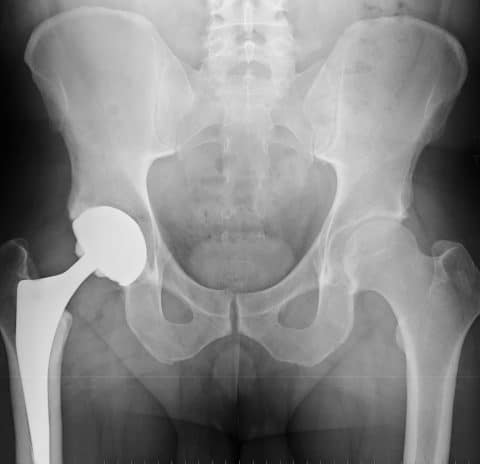
These additional follow-up measures for symptomatic patients should be determined on an individual case-by-case basis following assessment of clinical circumstances, and could include blood testing to check for elevated cobalt and chromium levels, and when appropriate, the use of ultrasound or other imaging to check the health of patients’ soft tissue around the implants.(3)
In some cases, the friction of the metal-on-metal components rubbing against each other can cause metal ions in the components to rub off and be absorbed into the body, potentially causing serious medical complications.(4)
Smith & Nephew as the manufacturer of the Modular SMF and Modular REDAPT Revision devices suggests annual examinations for patients exhibiting symptoms of metal-related complications. The company also recommends that a higher frequency of monitoring blood metal ion levels, such as every three months, might be considered for patients whose blood ion levels rise above 7 ppb.(5)

If you have been diagnosed with any of these metal-related conditions and require revision surgery, you may benefit from talking to a knowledgeable attorney. Weitz & Luxenberg’s attorneys have extensive experience in the area of faulty hip replacements and can advise you on your legal options.

Medical expenses

Pain and suffering

Lost earnings

Loss of consortium
If you have been harmed by Modular SMF or Modular REDAPT Revision hip implants, Weitz & Luxenberg’s experienced and compassionate attorneys are prepared to help you seek compensation for the harm you have suffered.
The Modular SMF and Modular REDAPT Revision announcement follows Weitz & Luxenberg scrutiny in 2015 of another modular implant made by the same company.
In July 2015, Weitz & Luxenberg announced the firm was investigating cases of device fracture with the Smith & Nephew EMPERION modular hip system after the Australian Orthopaedic Association found a significantly higher-than-average cumulative revision risk.

Weitz & Luxenberg continues to accept cases involving EMPERION hips along with the Modular SMF and Modular REDAPT Revision models.
Weitz & Luxenberg’s Drug and Medical Device Litigation attorneys – such as W&L partners Ellen Relkin and Danielle Gold – combine broad experience in pharmaceutical and medical device litigations with personal attention to their clients.
Our clients have suffered life-altering injuries,” Ms. Gold said. “I am delighted and honored to be part of this caring team of supremely talented attorneys that offers the help these injured people urgently need.”
Nina Young turned to Weitz & Luxenberg after Young’s right and left hip implants failed.
“I chose Weitz & Luxenberg because the firm has a reputation for working really hard,” she said. “I felt that, if I was going to sue, I wanted a firm that had a lot of experience and a lot of resources. I wanted the big guns.”
“I liked that my Weitz & Luxenberg attorney and his team did not use an impersonal, one-size-fits-all formula for calculating how much money I should receive for my injury,” Young said. “The amount they said I could seek as compensation was calculated based on my unique circumstances.”
For almost four decades, Weitz & Luxenberg has been dedicated to helping clients win cases. As a leader in medical device, asbestos, and personal injury cases, we have won more than $26 billion for our clients.
We are ready to help you. For your free consultation and more information on your legal options, please call us at (917) LAWYERS or complete our form on this page. Our client relations team will contact you shortly.
Claims can be filed by patients or by representatives of someone who has died from one of those diseases. Our lawyers offer free legal advice and can handle your claim from start to finish.
Hear From Our Clients
Just signed up with Weitz and Luxenberg. So far, they have been great at addressing my concerns and returning my messages promptly and very professionally.”
D.W., via Google Reviews
Pain — it’s what makes cancer the most feared disease by Americans. The physical pain associated with cancer can elicit anxiety, sadness, confusion, and feelings of depression and helplessness. It can affect daily activities and even make it seem like life is not worth living.
A large percent of cancer patients may experience significant pain during their illness.(1)
With the help of a highly experienced attorney, patients and families affected by asbestos-related cancer may be able to obtain compensation for pain and suffering — as well as other damages — through what are known as asbestos or mesothelioma claims. People may choose to file claims to:

Obtain justice.

Gain compensation for pain and suffering.

Achieve financial security.

Pay for treatment.

Recover lost wages.
However, successfully pinpointing and pursuing the type of claim that best suits your unique case can be tough. Weitz & Luxenberg’s trusted mesothelioma lawyers have helped thousands affected by asbestos-related cancer do just that.
Weitz & Luxenberg attorneys have honed their experience in more than 44,000 asbestos cases. As one of the nation’s largest personal injury law firms, we’ve won significant victories for asbestos victims, including a record-setting $190 million asbestos verdict in 2013.*
Different types of mesothelioma claims exist — each with its own advantages and disadvantages. Depending on your situation, you may be eligible to file more than one type of mesothelioma claim.

Lawsuit — a civil court action brought against an asbestos company or companies.
Bankruptcy claim — a filing against an asbestos company that has declared bankruptcy, but has set up a trust to compensate mesothelioma victims.
In three decades of asbestos cases, Weitz & Luxenberg has become expert at identifying which mesothelioma claim or claims a person is eligible to file. Our attorneys will work with you to uncover the source of your asbestos exposure and can skillfully explain to you the pros and cons of each claim as it applies to your specific circumstance.
Typically, the people who become ill from asbestos are those who were exposed to it regularly —whether by working with asbestos products directly or working near another person who was working with an asbestos product. Asbestos can also contaminate workers’ clothes, putting their family members at risk of inhaling asbestos fibers in the home and developing asbestos-related diseases.(2)
If you are able to trace your mesothelioma injury to a company’s negligence, then you may be able to file a mesothelioma claim in the form of a personal injury or wrongful death lawsuit.
Interested in filing a lawsuit? Contact us now for a free consultation and more information about your legal options.
Get a Free Case ReviewThe statutes of limitation (the time in which you have to file a claim) are set by the courts and are strictly adhered to. In cases of wrongful death, there are sometimes exceptions.
To be entirely certain of your statute of limitation, you should consult with our asbestos attorneys as soon as you can.
If you were exposed to asbestos and later developed mesothelioma, you may be eligible for compensation through a personal injury lawsuit. You can bring a personal injury mesothelioma lawsuit while you’re still alive, and in some states, the courts will allow your estate to continue a personal injury mesothelioma lawsuit initiated before you pass away.
Legal action must be taken in New York State within three years of when you knew (from a medical diagnosis) or should have known (due to symptoms) of your asbestos disease. Statutes in other states vary, with New Jersey and Pennsylvania requiring legal action within two years, for example.

The person you appoint in your will to be the head of your estate when you pass away can bring wrongful death mesothelioma lawsuits against those responsible for your asbestos exposure. The law acknowledges your family’s loss as an injury and recognizes your family’s right to seek compensation from defendants. Generally, legal action must be taken (in New York State, for instance) within two years from the date of death.
Were you or your loved one diagnosed with mesothelioma? Call us for a free legal consultation.
(917) LAWYERSA claim against the company or companies responsible for your asbestos exposure and resulting illness allows you to be fairly and reasonably compensated for many types of damages, including:
For us to win your case, one of the things we must prove is that you suffer from an asbestos-related disease. Simply being exposed to asbestos does not constitute a basis for filing a claim.
We must also prove who was responsible for the asbestos to which you were exposed, such as the asbestos manufacturers, distributors or contractors. It must be proven that you have been exposed to the asbestos product of a specific defendant to be successful at trial.
If you do not remember the name of the manufacturer of the particular asbestos product that was used on your job site (that caused your asbestos-related disease), our extensive database may be able to supply this information. We can also help you identify your place of exposure.
You cannot bring mesothelioma lawsuits against a business protected by U.S. bankruptcy law. However, you may be eligible for compensation through an asbestos bankruptcy trust. These trusts pay claims to people injured by asbestos products or asbestos-contaminated workplaces on behalf of companies that have filed for bankruptcy at least in part to resolve their asbestos liabilities. The submission process is, of course, complicated. A skilled mesothelioma lawyer or law firm will be able to efficiently handle this for you.
Weitz & Luxenberg attorneys sit on 25 corporate bankruptcy Trust Advisory Committees and can help you properly fill out the necessary forms and compile the required documentation to prove your mesothelioma claim. This documentation must include statements and/or medical records indicating when, where, and how the asbestos exposure occurred. Forms supplied by the bankruptcy trust must be fully completed and accurate or your claim will be rejected or returned to you for more information.
Interested in filing a lawsuit? Contact us now for a free consultation and more information about your legal options.
Get a Free Case ReviewA bankruptcy trust administrator — not a judge — will review your submitted forms and supporting documentation and determine the amount of compensation owed to you. Asbestos bankruptcy trusts usually pay claims to the most seriously ill first. An experienced bankruptcy trust lawyer can help ensure that the trust administrator properly prioritizes your claim and can help resolve any disputes that may arise over the amount of compensation awarded.
Hear From Our Clients
Thank you for all your hard work. You can never put a price on a person’s life. I know my husband would be happy you’re giving me some security for the rest of my life.”
Carol W.
For nearly 40 years, Weitz & Luxenberg has guided countless families in navigating their mesothelioma case options with personalized legal support. Without proper legal help, the process of filing a claim can be full of confusion and riddled with lengthy delays. We have the resources and knowledge needed to properly advise you and the experience needed to successfully prepare and pursue mesothelioma claims.
Please contact our office at (917) LAWYERS or fill out a form to speak to one of our mesothelioma attorneys.
Updated May 2025
In this FAQ (Frequently Asked Questions) page, we will examine questions relating to settlements. Obtaining satisfactory mesothelioma settlements requires the skilled help of a highly experienced mesothelioma lawyer.
A mesothelioma settlement is an amount of money paid to a mesothelioma patient who has filed a personal injury lawsuit or to a mesothelioma victim’s surviving loved ones who have brought a wrongful death claim. You receive this settlement money in exchange for resolving your mesothelioma lawsuit before it goes to trial or, if the trial is already underway, before the verdict is rendered. Cases sometimes settle even after the trial, such as during an appeal of the verdict.
The terms of the agreement to settle your mesothelioma lawsuit will be discussed with you and spelled out in a detailed document you must sign. This agreement is a legally binding and enforceable contract.
Many courts prefer there be a settlement rather than a trial. Courts favor resolving cases this way because it helps open up their congested trial calendars. As such, do not be surprised if the judge presiding over your case strongly encourages you and the defendants to work toward reaching a mesothelioma settlement.
The most important difference between a settlement and a verdict in a mesothelioma lawsuit is the element of control. With a verdict, the outcome of your claim is in the hands of third parties – a judge and jury. With a settlement, the outcome is in the hands of just you and your attorneys, and the defendant’s insurance company and their lawyers.
Interested in filing a lawsuit? Contact us now for a free consultation and more information about your legal options.
Get a Free Case ReviewHear From Our Clients
I cannot recommend Weitz & Luxenberg NYC enough. From the very first conversation, they listened attentively to my situation regarding my lymphoma diagnosis and truly showed genuine concern.”
D.W., via Google Reviews
With a verdict in a mesothelioma lawsuit, the outcome is arrived at through deliberation among the members of the jury after they have listened to all the testimony, looked at the evidence and considered the arguments offered by your attorney and the defendants. The jurors then decide whether the defendants are liable for the harms you have suffered. If liability is found, the jury then decides how much money you should receive in compensation. If the judge agrees with that amount, he or she enters an order requiring the defendants to pay it. If the judge disagrees with that amount, he or she, acting in the interest of justice, can increase or decrease it.
With a settlement in a mesothelioma lawsuit, the outcome is reached through out-of-court negotiations between your asbestos lawyer and the defense lawyers.
Negotiations can start as soon as you file an asbestos claim. Usually, however, they begin after the discovery phase of your case or as your trial nears. The parties’ attorneys meet privately to exchange settlement demands and offers, counterdemands and counteroffers based on knowledge of their respective clients’ interests and wishes. Fruitful negotiations may yield a settlement offer which is acceptable to you. If you find it acceptable, the mesothelioma settlement is then finalized and given full legal effect.
The main benefit of obtaining a mesothelioma case settlement is the guarantee that you will receive money in compensation for your claim. There is always a chance that a mesothelioma plaintiff might lose at trial and as a result receive nothing – or win but receive an inadequate award. The risk of that occurring is eliminated by obtaining a settlement.
Another benefit of obtaining a mesothelioma settlement is that you may be able to receive compensation sooner rather than later. That is because the defendants become obligated to pay within a reasonable time (or within a statutorily defined time) once a settlement agreement is signed.
Mesothelioma settlement amounts vary in each case and, if you have made a claim against multiple defendants, varies among defendants. The actual amount of your own mesothelioma settlement will be determined by a number of factors.
One factor that affects the size of mesothelioma settlements is the amount of pain and suffering and loss of life’s pleasures that you are experiencing as a result of your cancer. The loss begins from your first symptoms through the time of your settlement and is affected by many factors, such as the length of your suffering, your age and prior health, your lifestyle, and the number and type of asbestos products you recall. Another factor is lost wages – those you lost in the past due to mesothelioma and those you are forecast to lose in the future because of it.
Also affecting the size of mesothelioma settlements is the defendants’ legal and insurance status. Over the decades of litigation, many asbestos companies have declared bankruptcy, but were mandated by the courts to establish trust funds to compensate victims of asbestos-related diseases. Such trusts can run out of money, which requires a swift action on the part of mesothelioma plaintiffs to secure compensation for their injuries — before it is too late. If a defendant is an active entity, and has insurance coverage for asbestos claims, then the chances of obtaining a sizable settlement are higher.
One of the most important factors affecting the amount of mesothelioma settlements is the litigation and negotiation skills of the mesothelioma lawyer or law firm you retain. Elite mesothelioma lawyers, such as those found at the asbestos litigation law firm of Weitz & Luxenberg, P.C., know how to shape a satisfactory settlement demand and convince the other side to accept it. Other lawyers — those with little trial experience or negotiating experience — may deliver disappointing mesothelioma settlement results.
Hear From Our Clients
With all the loss of my quality of life, due to my problems from asbestos, the awards from your efforts make life so much better. And it’s providing a nest egg for my wife after I’ll be gone. Thank you.”
Richard O.
You can expect to receive the money relatively soon after a settlement is reached. You can generally expect the money to arrive in your mailbox or be electronically deposited to your bank account within a few months after the settlement agreement is put into writing and signed.
The speed of payment frequently depends on the number of steps required to complete the settlement process. The process cannot even begin until the defendants receive from you a signed release promising you will not seek additional money in a legal matter arising from or related to your mesothelioma lawsuit. Once this release is received, the defendants will then instruct their financial departments to obtain all necessary internal authorizations required to issue payment. However, the payment will not be sent directly to you. Instead, it will be sent to your attorney who will deposit it into a client trust account. Your attorney has an obligation to promptly release the amount owed to you, which is the amount of the settlement minus the attorney’s fees and cost.
Payment might be delayed, however. This can happen if any of your creditors have asserted a “lien” against your lawsuit. This includes your medical insurance company if it paid for medical treatment for your mesothelioma. By law, your settlement payment may be held up until those liens are discharged.
Weitz & Luxenberg, P.C. is a law firm that has been very successful with settlements for our mesothelioma clients. Settlements negotiated by Weitz & Luxenberg, P.C. are routinely characterized as substantial. Substantial past settlement amounts, however, do not mean your case will settle for a similar amount.
The surest indication of W&L’s success with mesothelioma settlements comes from the clients themselves. For example, John Pilla of New Jersey credits Weitz & Luxenberg, P.C. with having delivered “a number of good settlements” in the mesothelioma lawsuit against multiple defendants brought by his now-deceased mother.
Sue Crawford of Pennsylvania lauds Weitz & Luxenberg, P.C. for the size of the settlements negotiated in the mesothelioma case brought on behalf of her late father. “It overwhelms us, the amount of money [my mother as surviving spouse has] gotten. Mom’s going to be very comfortable and set for the rest of her life,” she says.
You should choose the mesothelioma attorneys at Weitz & Luxenberg P.C. to settle your case because you seek justice. That quest calls for a law firm with a solid record of success. Weitz & Luxenberg, P.C. has just such a record. Weitz & Luxenberg P.C. is recognized for our proven toughness and skill at the negotiating table — tenacity and know-how gained from negotiating thousands upon thousands of mesothelioma cases over the span of almost 40 years.
You should choose Weitz & Luxenberg, P.C. to handle your mesothelioma case and its settlement negotiations because Weitz & Luxenberg P.C. is an acknowledged leader in the area of mesothelioma settlements. We help you understand the settlement offers you receive, so that you can make informed choices about whether to accept or reject them. As well, Weitz & Luxenberg, P.C. strives to consistently offer you clear, concise recommendations about the proposals brought to you.
You should choose Weitz & Luxenberg, P.C. because our nearly 100 lawyers comprise litigation teams known for wise negotiation strategies and dynamic bargaining tactics.
We also are known for our nimbleness. We know how to leverage your case’s strengths to maximum advantage. We know how to exploit weaknesses in the defendant’s case. We use all of these capabilities to advance your interests at the negotiating table in ways that help bring your mesothelioma case to a speedy and satisfactory conclusion.
While we hope to obtain a substantial settlement for you, there are no guarantees. You should be wary of any law firm that promises you a specific amount in settlement before negotiations have even begun.
Contact Weitz & Luxenberg P.C. to learn more about how we can help you obtain a satisfactory mesothelioma settlement. There is no charge to talk to our mesothelioma lawyers about your situation and to explore your legal rights. There is also no obligation on your part. Contact Weitz & Luxenberg P.C. by submitting a contact form on this page or by calling (917) LAWYERS.
Updated June 2025

